This article is published in Aerospace Daily & Defense Report part of Aviation Week Intelligence Network (AWIN), and is complimentary through Sep 22, 2026. For information on becoming an AWIN Member to access more content like this, click here.

USAF: Boeing F-47 Design Progressing, First Flight On Track

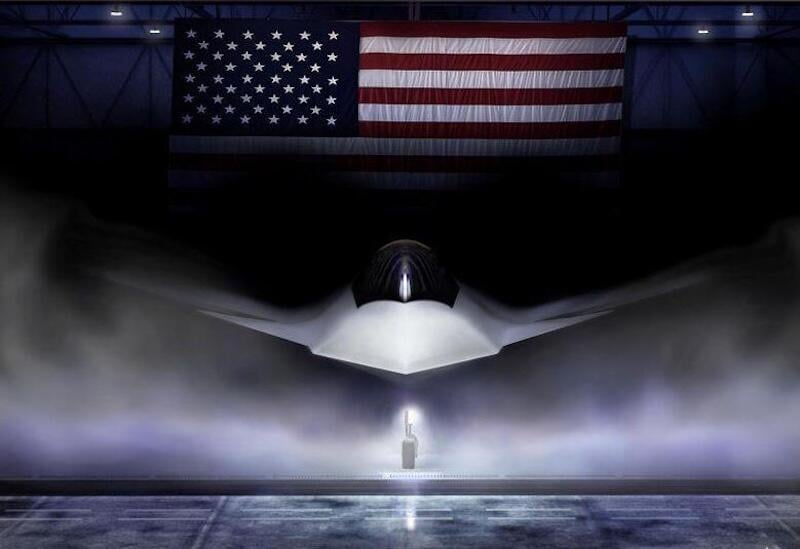
boeing f-47 rendering

Rendering of the Boeing F-47 sixth-generation fighter.

Credit: Boeing

NATIONAL HARBOR, Maryland—The U.S. Air Force and Boeing are progressing well on finalizing the design of the F-47 sixth-generation fighter, which remains on track for first flight within the next two years, with major milestones on the way to get there.

Gen. Dale White, the Air Force’s direct reporting program manager for its major acquisition programs, told reporters Sept. 15 that the “many, many years in tech maturation and risk reduction” gave the program a head start.

“We are absolutely on [track] to be able to hit the mark of flying within this administration, we see no issues in front of us right now,” White said at the Air and Space Forces Association’s Air, Space & Cyber Conference. “As long as the team continues to execute … [we] will be on time [and] on target with that.”

While the Air Force has been progressing on its next-generation fighter, the U.S. Navy has largely been stalled on selecting its similar, currently unnamed but designated F/A-XX. Much of this delay has been connected to an argument from top Pentagon officials that the defense industrial base is not able to support two advanced fighter programs.

White said industrial base concerns are not just on these specific programs, but across multiple platforms.

“What we’re having to do is at some point we’re having to make some trade space in between some of these,” White said. “Right now, I see Boeing making smart investments. They have a lot of CAPEX they’re pouring in, but we have to get through the process of the design piece, getting that completed and closed out, then we’ll hit some major milestones with things like flight tests and software.”

The focus is on managing overall resourcing, White said, which comes down to two factors—firstly, people, and secondly, having adequate production capacity to maintain the required output rate.

Brian Everstine

Brian Everstine is the Pentagon Editor for Aviation Week, based in Washington, D.C.