This article is published in Aerospace Daily & Defense Report part of Aviation Week Intelligence Network (AWIN), and is complimentary through Oct 19, 2026. For information on becoming an AWIN Member to access more content like this, click here.
A U.S. company has ordered a roughly $20 million counter-drone system to protect its oil and gas facility in the Middle East, a Powerus executive told Aviation Week on Oct. 12.
“We’re doing installs [at the facility] this week,” said Brett Velicovich, president of U.S. defense startup Powerus, during an interview at the Association of the U.S. Army’s annual meeting.
The deal expands the reach of kinetic, armed counter-drone systems to commercial companies, broadening the market beyond military and civil government operators.
“The commercial world is now dabbling for the first time, in my opinion, in military-style systems,” Velicovich said. “They probably have wanted to before, but now we're getting calls from companies that otherwise would never have thought that they could get military-grade equipment, because they don't have time to wait for the government to protect them. They have to protect themselves.”
The State Department approved the sale to the undisclosed U.S. company because the technology will be deployed overseas.
“Normally, the State Department would never approve something like this if it wasn't for the fact that these commercial companies—American companies—are now legitimate targets by the enemy. That used to not be the case,” Velicovich said.
But commercial infrastructure in the Middle East, Russia, Ukraine and elsewhere are increasingly becoming favored targets among warring countries, he said.
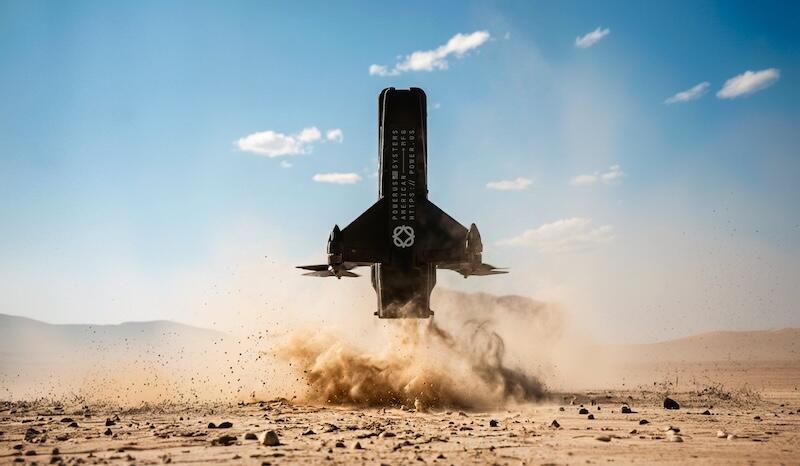
Velicovich cofounded Powerus less than a year ago and has since fielded a portfolio of military-grade drones for defense, offense and support functions. On Oct. 12, Powerus unveiled the Guardian 3, a $10,000 first-person-view drone interceptor. The latest version of Guardian adds a seeker for autonomous terminal guidance on approach to the target.

Related Content