This article is published in Aerospace Daily & Defense Report part of Aviation Week Intelligence Network (AWIN), and is complimentary through Jul 16, 2026. For information on becoming an AWIN Member to access more content like this, click here.
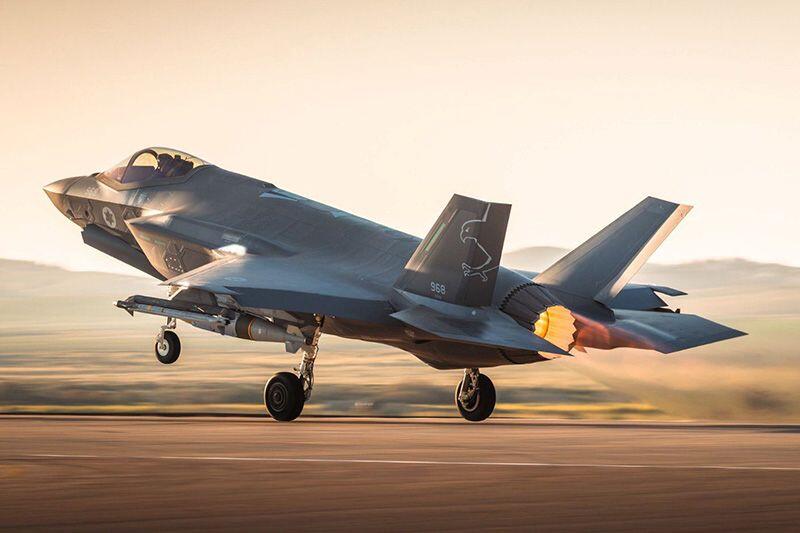
An Israeli F-35 gets airborne with external stores during the Iran conflict.
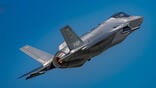
U.S. President Donald Trump has said he will lift sanctions on Turkey that could potentially pave the way for that country’s re-entry back into the F-35 Joint Strike Fighter program.
Speaking as he met Turkish President Recep Tayyip Erdogan in Ankara ahead of the NATO Summit, Trump said: “We're going to be taking the sanctions off...it is time to do that…we don’t want our friends to be under embargo.”
No timescales for the lifting of the sanctions were detailed and it is unclear whether Turkey has agreed to retire the Russian-made S-400 ground-based air defense system—the purchase of which from Russia triggered the Countering America’s Adversaries Through Sanctions Act (CAATSA) and banishment from the F-35 program by the previous Trump administration.
Re-entry to the program and potential access to the aircraft already built for Turkey and currently stored in the U.S. would represent a significant victory for Erdogan but would cause upset with U.S. allies, particularly Greece and Israel. Israeli politicians including Prime Minister Benjamin Netanyahu have been particularly vocal in the run-up to the Ankara summit expressing concern about a potential F-35 deal with Erdogan. He told CNN that Turkey has “aggressive aspirations,” and that a sale would “destroy the power balance in the Middle East.”
Some U.S. lawmakers have also been frustrated by President Trump’s statements. Nevada Congresswoman, Dina Titus said that Trump could not “just wave away these actions with a handshake in Ankara.”
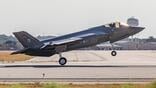
Six F-35As were built for Turkey and were being used for training when the country was removed from the program. Those aircraft are in storage in the U.S. and several reports have suggested Turkey could receive them quickly if the sanctions are removed.
The introduction of sanctions caused ruptures in the relations between Turkey and the U.S. but Ankara has stepped up diplomatic efforts since the beginning of Trump’s second term, aligning more closely with Europe and the U.S.
Numerous Turkish government figures have actively called for a cessation of sanctions and embargoes.
Addressing the NATO Summit’s Industry Forum on July 7, Turkish vice-president Cevdet Yılmaz said that to improve alliance collective defense “meaningless and senseless barriers and sanctions” had to be overcome. While CAATSA was not supposed to affect Turkish defense readiness, some in Turkish industry have blamed the sanctions on preventing the license-building of Sikorsky Black Hawk helicopters. The Turkish Utility Helicopter Program was supposed to result in the local assembly of 109 Black Hawks by Turkish Aerospace Industries, but only 39 have been assembled before work was halted, because Washington has not approved the transfer of kits for local assembly.
In contrast, some officials say that the affects of CAATSA have also prompted an acceleration of Turkey’s push to become more self-sufficient and a greater defense export player. Yilmaz said Turkey is the 11th largest global defense exporter and he expects to enter the top 10 “very soon.”