This article is published in Aerospace Daily & Defense Report part of Aviation Week Intelligence Network (AWIN), and is complimentary through Jun 20, 2026. For information on becoming an AWIN Member to access more content like this, click here.

SOCOM Gets Involved Early In MQ-9 Replacement Plan

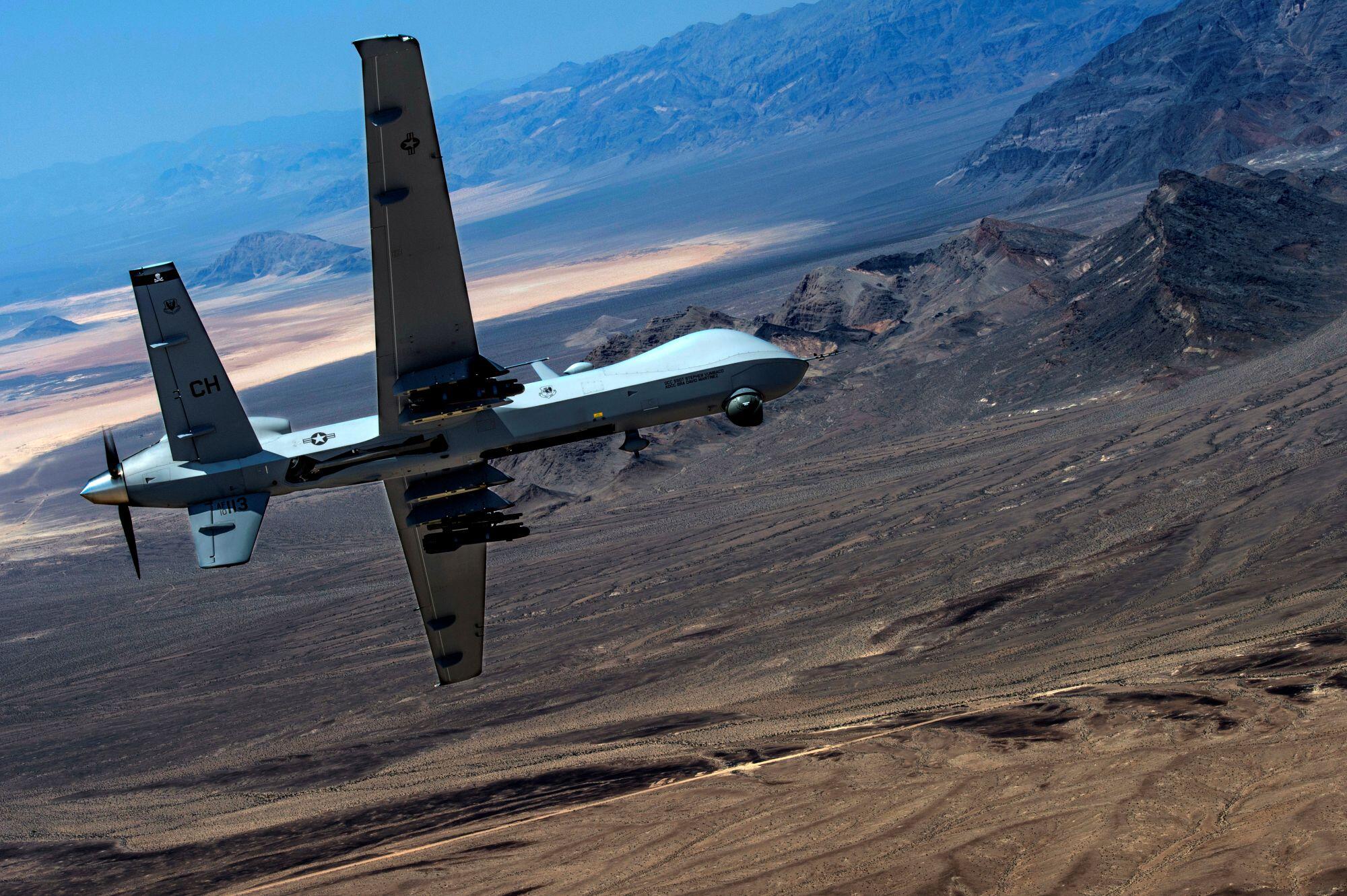
MQ-9
Credit: U.S. Air Force

TAMPA, Florida—U.S. Special Operations Command has relied heavily on the General Atomics Aeronautical Systems Inc. MQ-9 Reaper for its surveillance requirements, and as the Air Force gets started on its replacement the command wants to ensure its needs are considered early.

Air Force officials told lawmakers May 12 that the service had approved a requirements document to replace the MQ-9 for its medium-altitude, long-endurance intelligence, surveillance and reconnaissance role.

Col. Justin Bronder, SOCOM’s program executive officer for fixed wing programs, told reporters at the annual SOF Week event here that because the command can’t afford to buy its own large UAV, “by definition, we are very much baked into what the services are doing.”

“We certainly want to be in there helping to shape a future requirement around [special operations forces] needs, so we’re having those conversations at the acquisition level and the operational level,” Bronder says.

While the replacement is an Air Force-led effort, SOCOM will be integrated where appropriate to ensure its peculiar priorities are thought of in the process. Bronder’s office runs SOF-peculiar modifications for the MQ-9 fleet, which in turn have improved the broader fleet, he says.

SOCOM is in daily contact with the Air Force program office “not only on MQ-9 now, but as well as MQ-9 next, that’s kind of baked in to how we’re set up acquisition-wise.”

A major SOCOM MQ-9-focused effort now is the Adaptive Airborne Enterprise (A2E) program, which aims to have multiple air-launched effects dropped from an MQ-9 to operate in a contested environment. SOCOM’s fiscal 2027 budget request includes $75.8 million for MQ-9, largely to continue A2E efforts including the purchase of launched effects, other small uncrewed systems, swarm carrier small UAS and signature managed small UAS, according to budget justification documents.

Brian Everstine

Brian Everstine is the Pentagon Editor for Aviation Week, based in Washington, D.C.