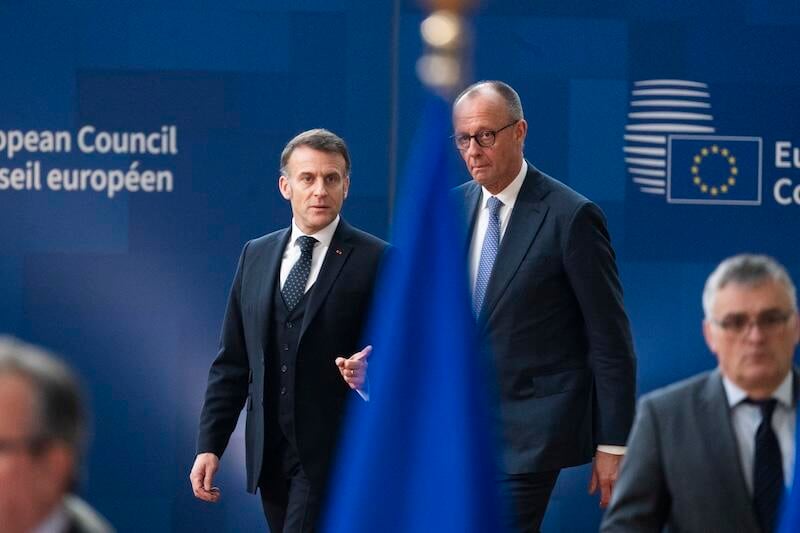
French President Emmanuel Macron (left) with German Chancellor Friedrich Merz (right) in Brussels on March 19.
Credit: Magali Cohen/Hans Lucas/AFP/Getty
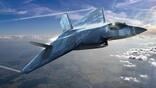
France and Germany are poised to make a decision on whether they can repair the fractured defense industrial relationship for the Future Combat Air System (FCAS) program to jointly develop a new fighter—or whether the rift is too large. French President Emmanuel Macron told reporters he would mount...

Subscription Required
Franco-German FCAS Spat On The Brink As Decisive Meeting Nears is published in Aerospace Daily & Defense Report, an Aviation Week Intelligence Network (AWIN) Market Briefing and is included with your AWIN membership.
Already a member of AWIN or subscribe to Aerospace Daily & Defense Report through your company? Login with your existing email and password.
Not a member? Learn how you can access the market intelligence and data you need to stay abreast of what's happening in the aerospace and defense community.
Related Content