This article is published in Aerospace Daily & Defense Report part of Aviation Week Intelligence Network (AWIN), and is complimentary through Aug 24, 2026. For information on becoming an AWIN Member to access more content like this, click here.
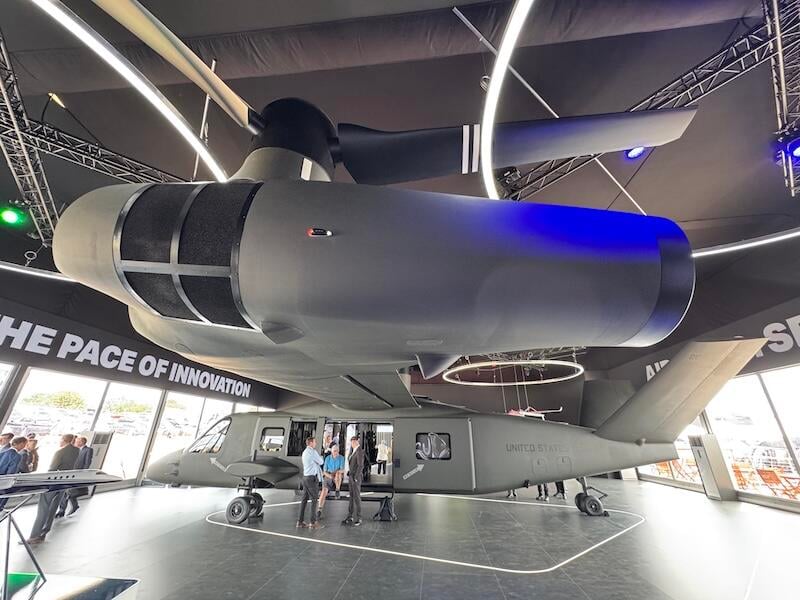
Bell is displaying a full-scale mockup of the MV-75 at the Farnborough Airshow.
FARNBOROUGH, England—Bell says it is charting production improvements on the first MV-75 components as it works on the initial six aircraft and says the program is on pace to meet performance targets amid some concerns about weight.
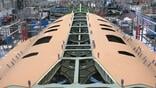
The first two MV-75 wings are now built in Amarillo, Texas, says Ryan Ehinger, Bell's MV-75 program director. Building the first wing took 90% less labor time than the first V-22 wing, and the second wing came together about 40% faster than the initial MV-75 wing.
The first nacelles have also been built, with wing attachment testing completed.
Ehinger declined to address whether the production efficiencies are mitigating cost growth the company warned about this year. In January, parent Textron said rising costs could trigger a $60-110 million reach-forward loss for Bell on the first production versions of the MV-75 tiltrotor aircraft. He noted: “What we're seeing right now in production, from an affordability and cost standpoint, does bode very well for long-term production affordability for the platform and for the customer.”
Bell was also cautious about discussing weight issues with the platform after the Government Accountability Office said last year the situation could put some missions at risk. “The aircraft is meeting or exceeding performance requirements,” Ehinger said.
Other parts of the first aircraft are also progressing, Bell said, with the main sections for the first fuselage now in production and due for mating in the coming months. For some items, subassemblies for the first six aircraft are also in production, Ehinger said. Blades and other items are also proving to be easier to produce than they were during the V-22 program. Bell said the blades, for instance, require 60% fewer labor hours.