Viewpoint: The Dirty Truth About Service In Private Aviation
Private aviation promises a world of luxury, convenience and tailored travel. You book a specific aircraft weeks in advance, envisioning a seamless journey to your critical business meeting or the start of a dream vacation. The reality, however, is much more complex.
That jet you reserved for charter isn't sitting in a hangar, polished and waiting for you. Instead, it's crisscrossing the skies, battling inclement weather, ferrying families with kids and pets and serving passengers who don't treat it like their own.
Delivering the white-glove experience you paid for hinges on a fragile web of third-party providers. However, many brokers aren't equipped to manage the chaos on a consistent basis; they rely on a patchwork of third-party software, exposing your trip to transcription errors and operational blind spots. In private aviation, it takes a certain type of broker to stand out among the competition.
The Myth of the Perfect Experience
Private jets are workhorses that endure turbulence, spills and the occasional overzealous toddler. Passengers arrive late, crews hit traffic and operational decisions, like prioritizing mandatory crew rest, can shift schedules at a moment's notice. Furthermore, mechanical issues ground planes, and on-site mechanics may wait hours for a courier to deliver a critical part.
External factors add to the chaos: Air Traffic Control (ATC) can issue Expected Departure Clearance Time (EDCT) delays, or your jet might be 12th in line for fuel at a congested airport. Other issues that can pop up are spotty Wi-Fi, poor lavatory conditions or the air carrier refusing to reposition the plane for your flight.
These are routine challenges that private aviation professionals face on a consistent basis.
Hidden Challenges
The complexity of private aviation stems from its reliance on human, mechanical and logistical variables that often fall out of people's control. Crews get sick or time out, as mandated by aviation regulations. Aircraft break down and parts aren't always on hand when they're most needed.
On the tarmac, airport operations can become bottlenecks, with long waits for fuel or departure slots. Third-party providers add another layer of risk to the equation. A caterer might deliver stale food, a ground transport driver might show up in a car reeking of smoke or a Fixed-Base Operator's lineman might mishandle your luggage. The possibilities are endless.
Brokers can compound issues as well. Some forget to update passenger manifests or adjust catering after swapping aircraft. Others sell flights on "phantom aircraft," which are planes that don't exist or aren't available. Then, they'll demand more money to secure a replacement.
The more intricate the itinerary, the greater the chance of something going off-script.
Third-Party Providers and Software Risks
Private aviation is operated by a symphony of third-party providers. These include charter brokers, FBOs, caterers, ground transportation companies and air carriers. Each plays a critical role, but their pristine performance is not always guaranteed.
A caterer who delivers wilted salads or a driver who gets lost en route to the airport can not only cause delays but dampen the quality of the experience entirely. Even if all these factors do go according to plan, a broker might still choose to prioritize last-minute, higher-paying flight requests, leaving your flight grounded and you feeling beyond frustrated.
In addition to the human element of error, most brokers rely on a series of third-party software tools to source aircraft, quote trips, plan logistics and invoice clients. Each handoff between these platforms, such as from a sourcing tool to a scheduling app, introduces the risk of transcription errors. A mistyped passenger name, an incorrect departure time or a missed catering update are all real-life examples of small but significant things that can derail a trip.
Ultimately, these errors aren't just inconveniences; they erode trust and disrupt the white-glove experience that private aviation should be all about.
What Makes a Great Broker
A great broker goes beyond just booking flights. They orchestrate solutions with a single, streamlined service platform that integrates sourcing, quoting, planning and invoicing into one seamless workflow. These real-time insights into a trip's status go a long way in making customers feel at ease.
In addition, the best type of broker will monitor variables, looking for divergence in order to plan effectively days in advance of a trip's departure. They will anticipate disruptions and build systems to mitigate them in real time. They maintain contingency plans for weather or air traffic control delays, keep an eye on backup aircraft or alternate FBOs and will do all they can to keep your trip on track.
Great brokers are backed by experienced teams who successfully manage thousands of flights annually.
Transparency is their specialty. These teams include flight coordinators, who bring the expertise to identify potential issues and implement solutions swiftly. They know which providers deliver and contract only the best of the best. They stay in constant communication with these partners, ensuring alignment at every step of the process. When issues arise, they deliver the news promptly, even if it's unwelcome, and come with a solution-focused mindset.
Ultimately, their goal is to oversee the complexity of your trip so you can focus on the goal and end destination of your trip, rather than logistics that pile up.
Shortcomings
Many brokers in private aviation are two- or three-person operations, armed with a slick website, laptop and phone. But in reality, they only manage a handful of trips annually. Because of their limited business volume, this leads to minimal buying power, which then means they can't secure the best aircraft or negotiate favorable terms when plans go awry.
Unfortunately, these brokers lack the infrastructure to manage complex itineraries, relying on fragmented third-party tools that invite errors and delays. And when it comes to safety, bold claims tend to be a facade. Those who talk about their dedication to safety may not even have any evidence of an ARGUS certification, leaving clients exposed to unvetted operations and potentially dangerous consequences.
Even worse, many carry no insurance to protect you if they make a mistake or if a worst-case scenario leaves your family in need.
When choosing a broker, it's vital to seek one out that does these basics right and prioritizes your safety, comfort level and overall well-being and happiness above all else.
Raising the Bar
Reality shows that private aviation operates with low regulatory oversight when it comes to brokerage services. Almost anyone can become a broker, create a website and start selling trips. And while that accessibility opens doors for new entrants, it also creates inconsistency for clients and reputational risk for the industry as a whole.
To truly elevate this space, we need to think beyond just selling flights. We need cultural change: one that emphasizes transparency, accountability and investment in client service infrastructure. That includes standardized safety practices, integrated operations platforms and a shared understanding that service excellence is not a luxury add-on; it's the foundation of this line of work.
If private aviation is to deliver on its glamorous promise, the broker community must evolve with the changing times. That means raising expectations, not just for aircraft, but for the people booking them. Clients should demand transparency, proof of operation standards and a clear understanding of how problems are handled behind the scenes. In short: The industry needs results-driven professionals in the room.
One way forward is for brokers to stop working in isolation. Access to shared infrastructure, such as flight management systems, safety programs and vetted carrier databases, levels the playing field and raises standards across the board. It's a model I have worked to implement into my own business, helping brokers scale professionalism without sacrificing experience.
Private aviation will never be a frictionless experience. There are too many moving parts and too many human factors. But the broker's role is to reduce that friction as much as possible. This means to orchestrate logistics with care, communicate with clarity and deliver a level of consistency this industry sorely lacks.
And if we do it right, clients won't have to think about any of it. They'll simply arrive, fly and focus on what matters to them, whether that's closing a deal, spending time with family or just enjoying the ride miles above ground.
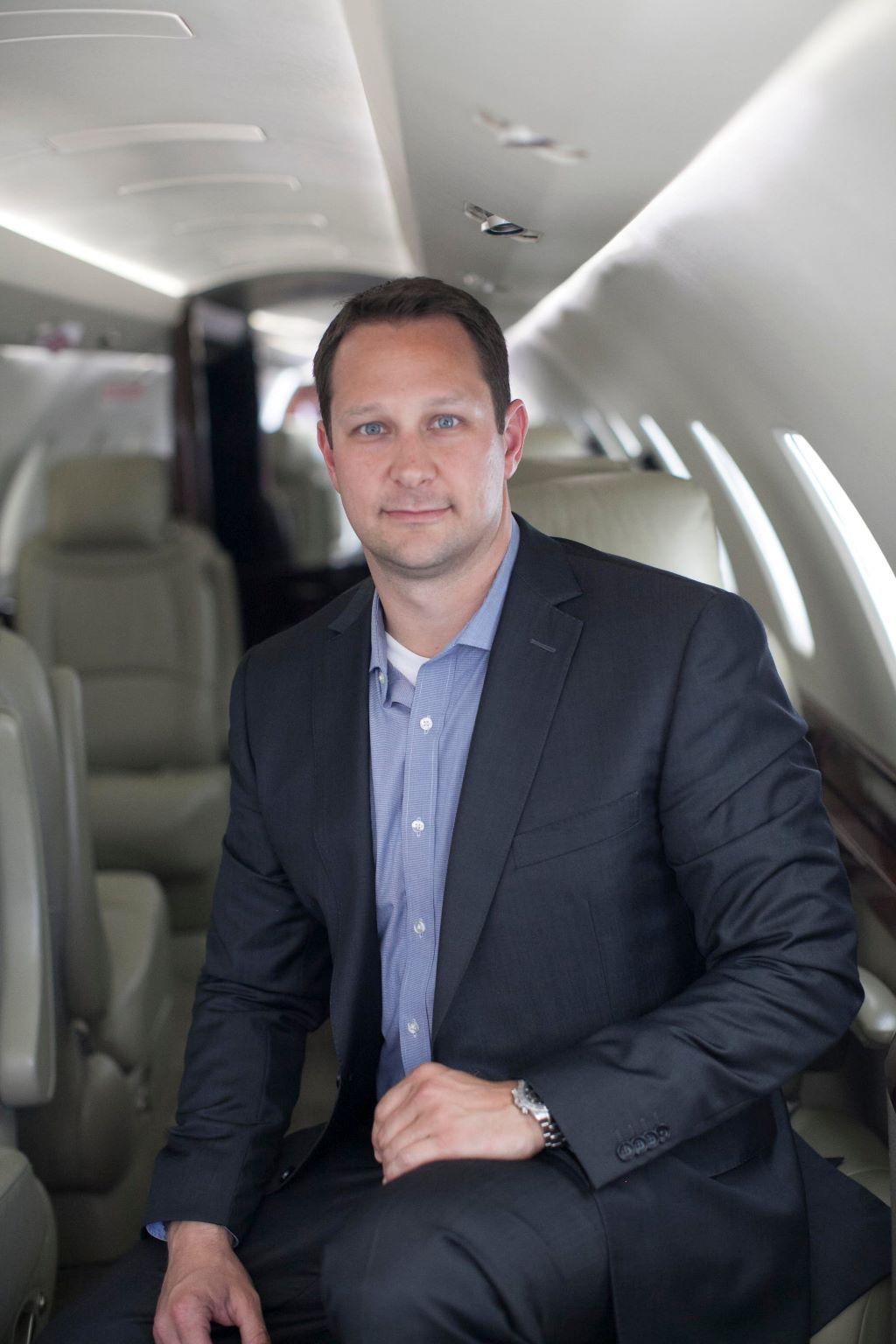
Joel Thomas is founder of Stratos Jets.
Related Content