Sentient Jet Sees Super-Mid Demand Rise As Customers Buy More Hours
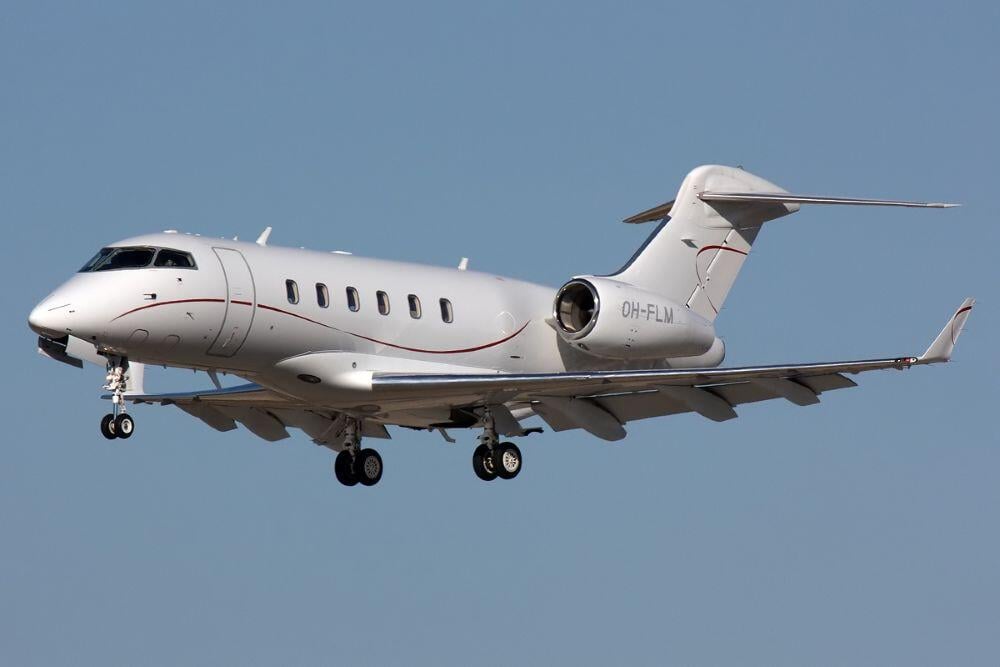
Sentient Jet has seen an uptick in requests for Bombardier Challenger 300s.
Sentient Jet is seeing customers commit to more flight hours and gravitate toward larger aircraft, with its super-midsize jet card business growing 25% during the first half of 2026.
The average jet card purchase has also increased 12%, Sentient Jet President Alan Walsh told Aviation Week, reflecting customers buying more hours rather than higher underlying card prices.
“It is people committing to more,” Walsh said. “I think people realize, ‘I need to make sure that I’m covered,’ rather than having this crazy up-and-down inconsistency.”
Sentient has seen particular strength among business travelers, Walsh said, as companies place greater value on schedule reliability and the time saved by avoiding commercial airline disruptions. He said customers are also traveling longer distances and more frequently in groups, helping drive demand toward super-midsize aircraft. The company has seen an uptick in requests for Bombardier Challenger 300s, he added.
“If I spend a little more, I’m going to get a little bit more in terms of the aircraft,” Walsh said of customers’ thinking. “You can go further. Obviously, it’s more comfortable.”
The growth comes despite higher costs across business aviation. Walsh said increases in fuel and other expenses have not materially affected customers’ flying patterns, with utilization continuing to rise.
Sentient has not significantly increased its base jet card rates in recent years, Walsh said. FBO and fuel charges, however, are generally passed through to customers. He expects elevated FBO charges, including fees imposed around major events, to persist.
“Unfortunately, I think those types of fees are here to stay,” Walsh said.
Sentient’s continued growth also comes as NetJets prepares to stop selling mid-cabin jet cards. Walsh said Sentient has not yet detected a meaningful shift of those customers to other providers, noting that NetJets was continuing to sell the cards through Sept. 1.
“As of right now, we haven’t seen the diversification yet across where those users are going to go,” Walsh said, adding that the picture could become clearer by the end of September.
Looking toward 2027, Walsh expects private aviation demand to remain strong, supported by continued wealth creation and travelers’ willingness to pay a premium for time savings and schedule certainty.

Related Content