
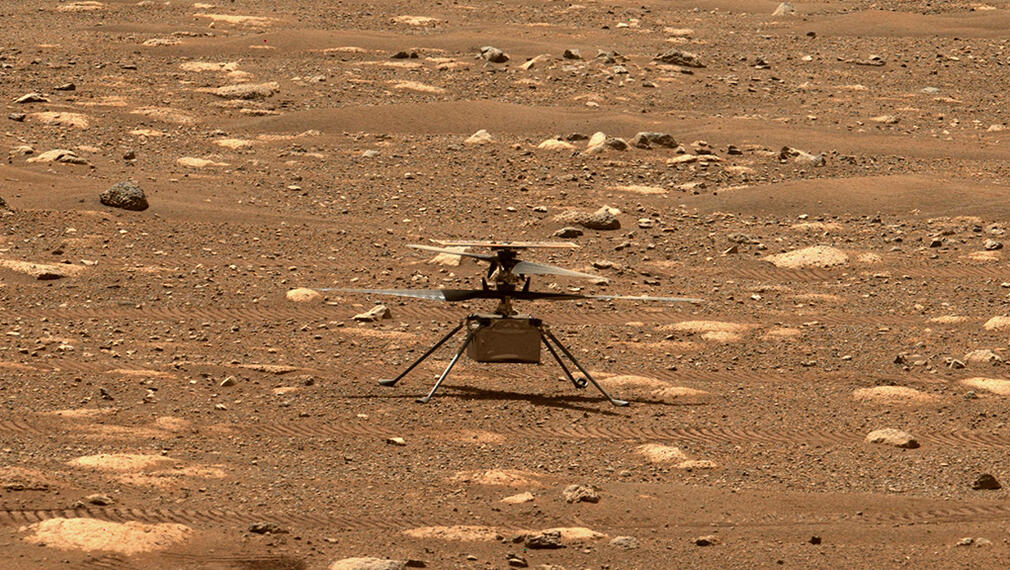




“How do we use aerial mobility in the future on Mars, to help not just robotic exploration, but to help human exploration?”
Ellen Stofan
Smithsonian


More Space Content From Aviation Week & Space Technology



Jul 23, 2013
After receiving initial FAA certification in March of a system combining satellite-based communications with helicopter health and usage monitoring systems (HUMS), Honeywell aims to evolve the capability for inflight broadband connectivity on passenger airliners.

Jul 22, 2013
Already late, Webb telescope now faces technical problems

Jul 22, 2013
Space station starts generating revenue
Jul 22, 2013
More space programs are set to feel sequestration's effects, particularly on the civilian side as lawmakers responsible for NASA are increasingly—and bitterly—at odds. Last week, Senate appropriators, led by Democrats, recommended $18 billion for the agency for 2014. But despite his stated approval of the legislation, senior Sen. Richard Shelby (R-Ala.) voted against the measure in committee because it adheres to Senate Democrats' overall federal budget allocations.
Jul 22, 2013
The nine USAF fighter squadrons grounded since April by the 2011 Budget Control Act's automatic sequestration cuts are flying again, but whether they will remain so after September—and whether there will be anyone to fly or maintain them starting

Jul 22, 2013
Non-toxic satellite propulsion gaining ground

Jul 22, 2013
Carbon in its many forms is transforming manufacturing, from electronics to structures. Aerospace uses carbon in fiber form, but new nano-structured materials are emerging that promise improved properties and expanded applications.
Jul 19, 2013
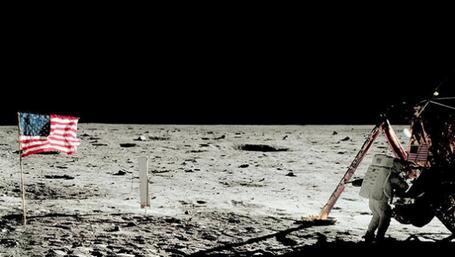
Forty years after landing on the Moon, Neil Armstrong explains why the Apollo program successes were not miraculous.