
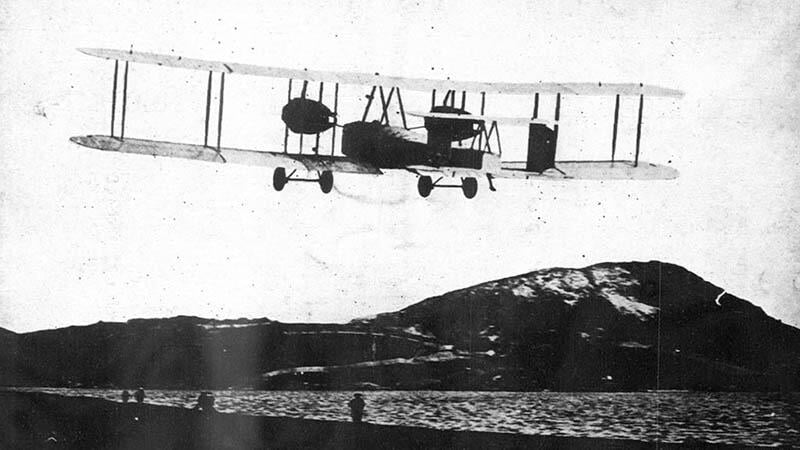
Guest Columnist Orville Wright
Flight pioneer Orville Wright wrote a viewpoint for the Jan. 1, 1919, edition of the magazine—then known as Aviation and Aeronautical Engineering—calling for the construction of runways to facilitate the commercial development of aviation.
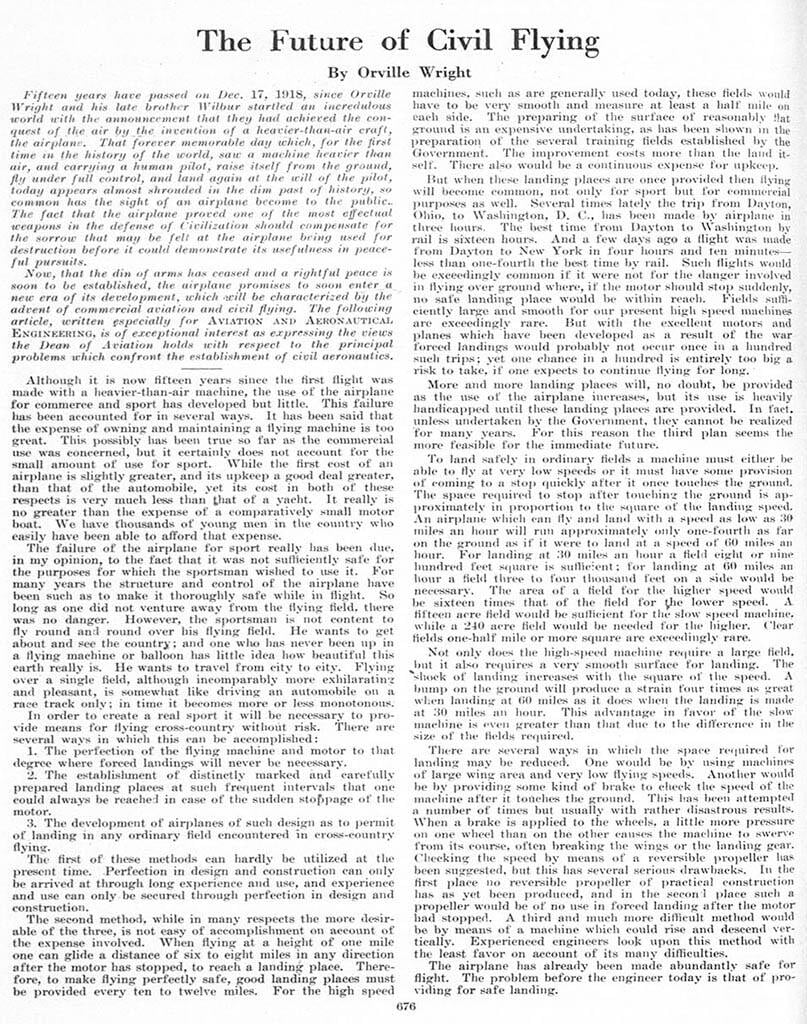
Guest Columnist Orville Wright
The “distinctly marked and carefully prepared landing places” should be spaced every 10-12 mi., Orville Wright wrote in the viewpoint, 15 years after he and his brother Wilbur first took to the air in Kitty Hawk, North Carolina. “The airplane has already been made abundantly safe for flight,” he said. “The problem before the engineer today is that of providing for a safe landing.”
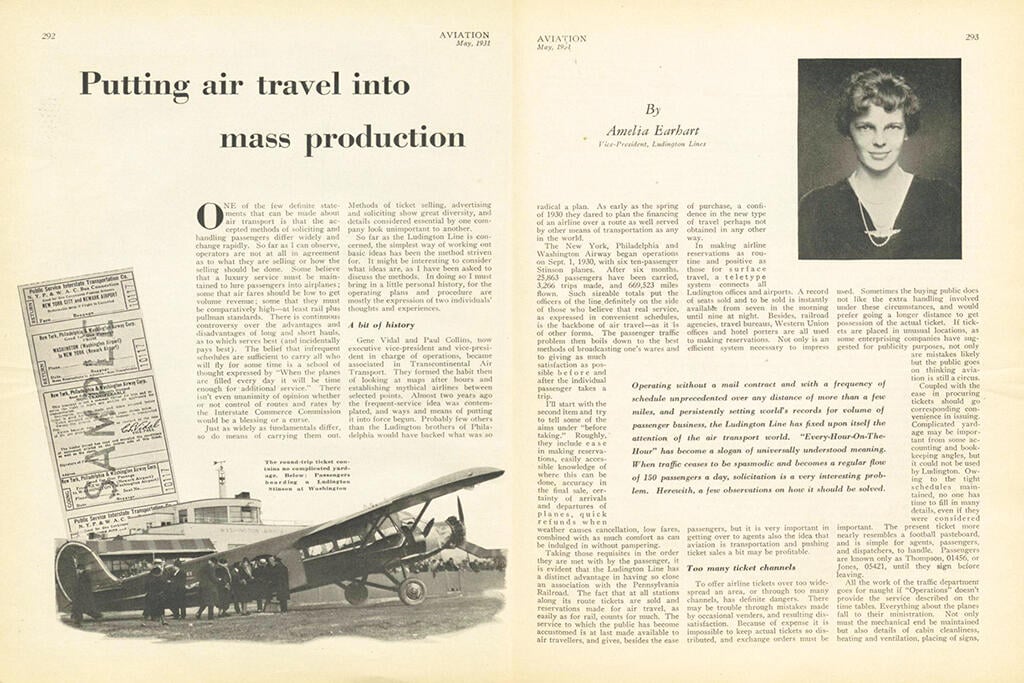
Amelia Earhart’s Airline Blueprint
Six years before she disappeared over the Pacific Ocean on a round-the-world flight, aviator Amelia Earhart was a vice president at Ludington Lines, a U.S. carrier operating 10-seat Stinson aircraft. In a three-page article for the May 1931 edition of Aviation, Earhart laid out a blueprint for “putting air travel into mass production.” Key elements included convenient schedules, low fares, centralized ticketing and swift refunds for weather-related cancellations. She also called for clean windows, no smoking, brushed carpets and, most of all, heated cabins.
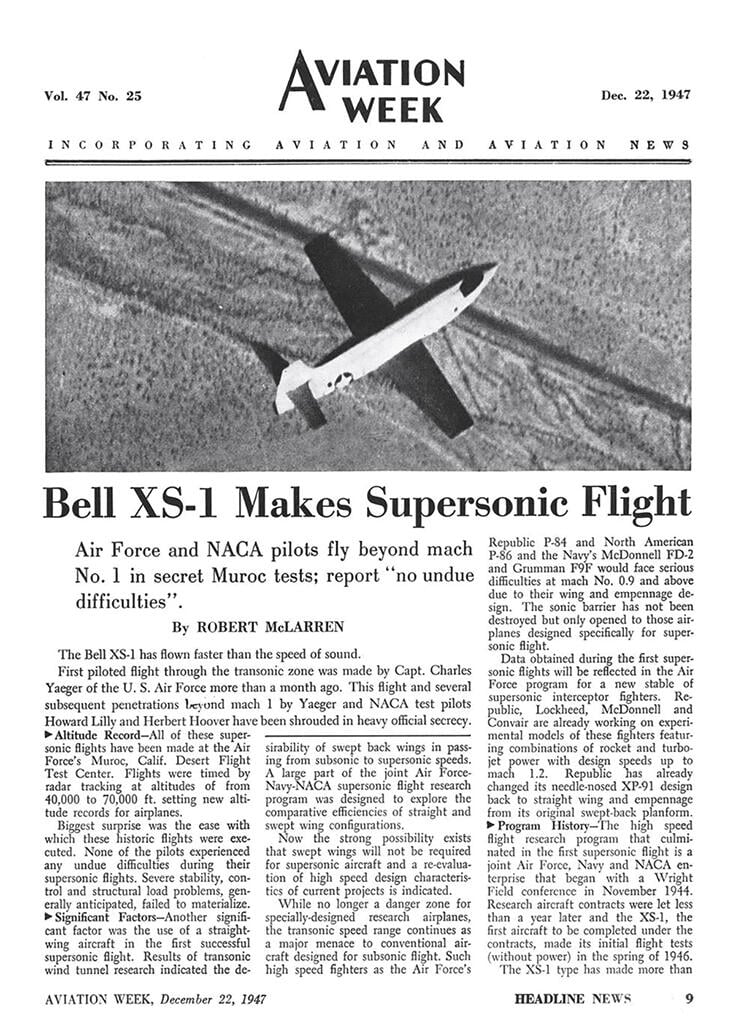
Yeager Breaks the Sound Barrier
Engineering Editor Robert McLarren revealed in our Dec. 22, 1947, edition that U.S. Air Force Capt. Chuck Yeager had broken the sound barrier two months earlier in a Bell XS-1 flying over Muroc Dry Lake, California. His scoop made instant headlines around the world. Curiously, McLarren spelled Yeager’s name “Yaeger.” It remains a mystery whether that was a typo or an inaccurate spelling provided by McLarren’s source.
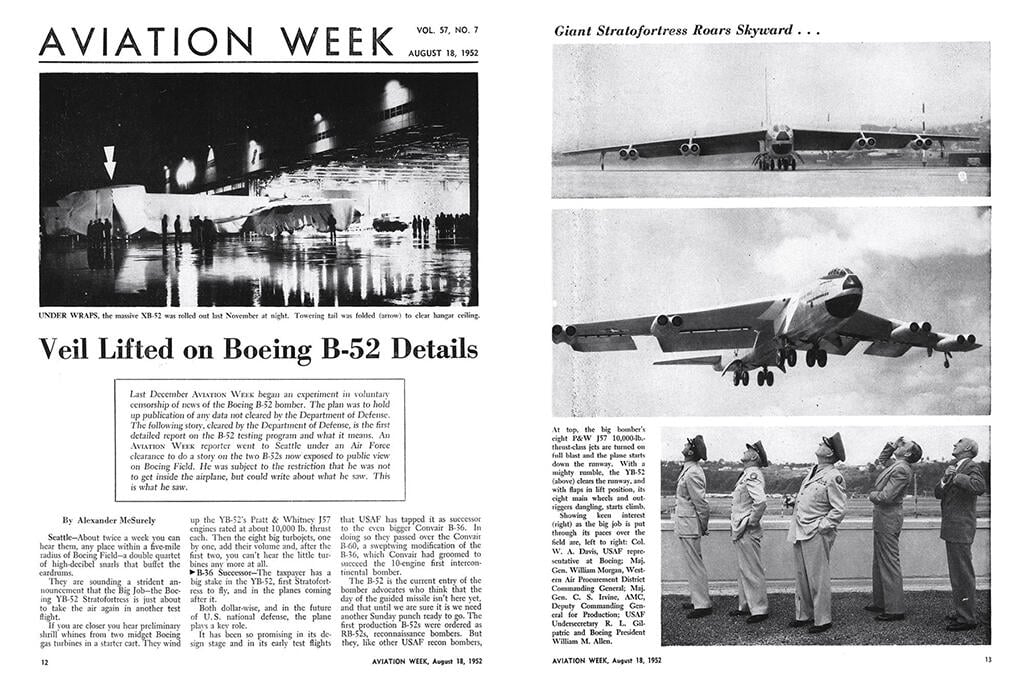
Lifting the Veil on the B-52
In the midst of the Korean War, aviation safety writer Alexander McSurely revealed the first details on the U.S.’ new Boeing-built B-52 bomber. But the scoop came at a price: In return for an up-close view of the exterior in Seattle, McSurely agreed not to publish any data on the aircraft that was not cleared in advance by the U.S. Air Force. The story, published in our Aug. 18, 1952, edition, still contained plenty of details about the B-52 and its eight Pratt & Whitney J57 jet engines. He speculated that the new bomber might soon be replaced by guided missiles. Seventy-four years on, there are still 75 B-52s in the Air Force fleet, according to Aviation Week’s Fleet Discovery Military database.
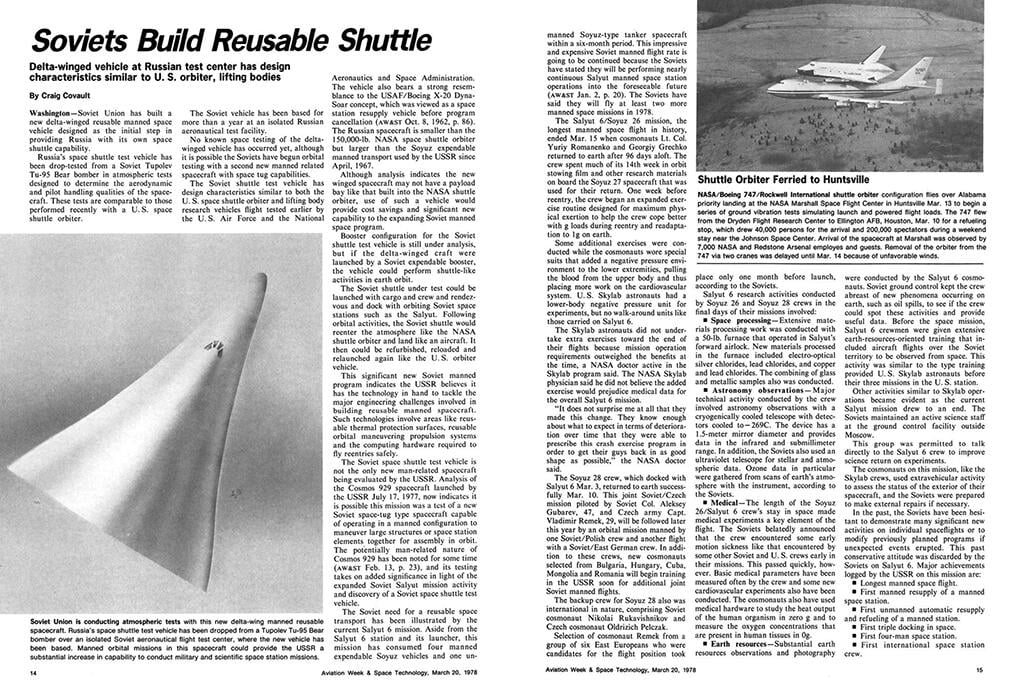
The KH-11 and a Soviet Space Shuttle
In the late 1970s, Avionics Editor Philip J. Klass and Space Technology Editor Craig Covault informed the Pentagon that they were going to publish an article stating that the U.S. had orbited a revolutionary spy satellite, the KH-11, that could transmit images to ground stations in real time. U.S. Air Force Gen. David Jones, chairman of the Joint Chiefs of Staff, summoned Covault to his office to explain how publication would badly damage U.S. national security. Covault agreed to back off, and a grateful Jones arranged for him to receive several Defense Intelligence Agency briefings on the Soviet space program. That was how AW&ST broke the story in our March 20, 1978, edition that the Soviet Union was developing its own reusable space shuttle. The KH-11’s cover was blown a few months later when a disgruntled CIA employee sold its manual to a Soviet spy for $3,000.
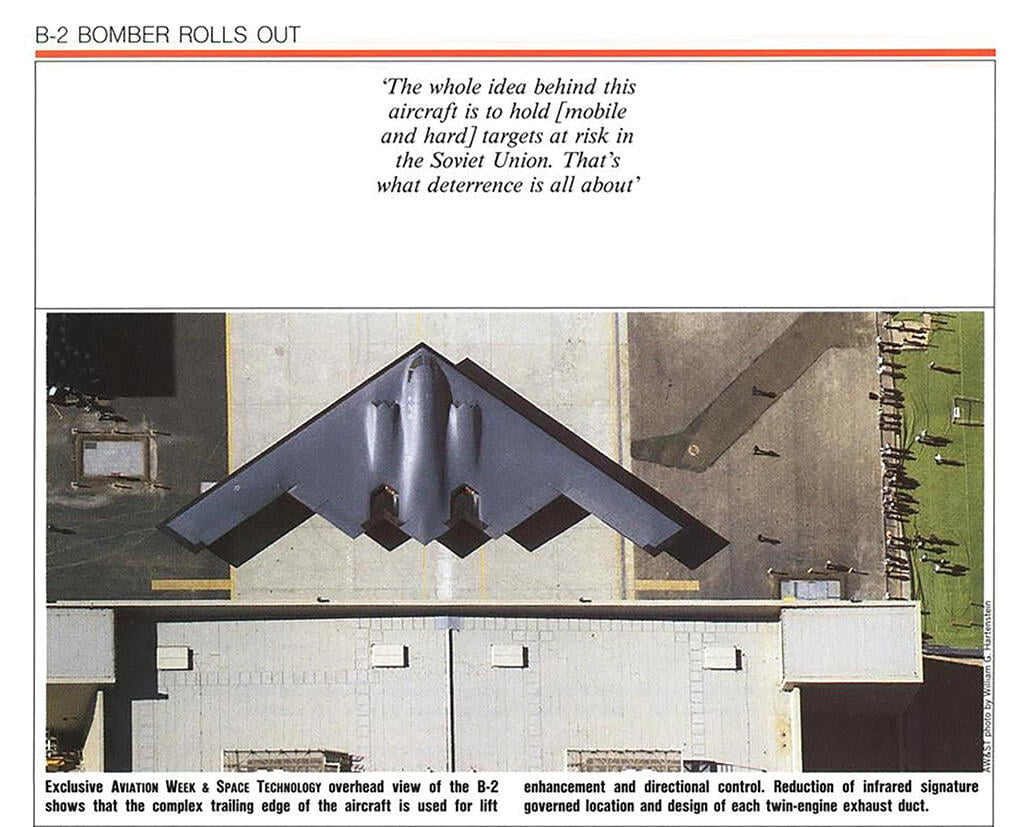
Looking Down on the B-2 Rollout
When the U.S. Air Force rolled out its B-2 stealth bomber in November 1988, reporters at the site in Palmdale, California, were confined to bleachers that provided only a limited view of the aircraft and hid details about its exhaust system. Engineering Editor Michael A. Dornheim decided to go over the service’s heads—literally. Anyone looking up during the ceremony could spot a Cessna 172 flying overhead, piloted by Dornheim and carrying photographer William Hartenstein. AW&ST came away with an exclusive photo that revealed that every edge of the aircraft was parallel to one or the other of its long leading edges. It was a pivotal moment in the public understanding of stealth. Dornheim died in 2006, but his legend lives on: When the Air Force rolled out the B-21 stealth bomber in late 2022, it did so at night, under the cover of a hangar.
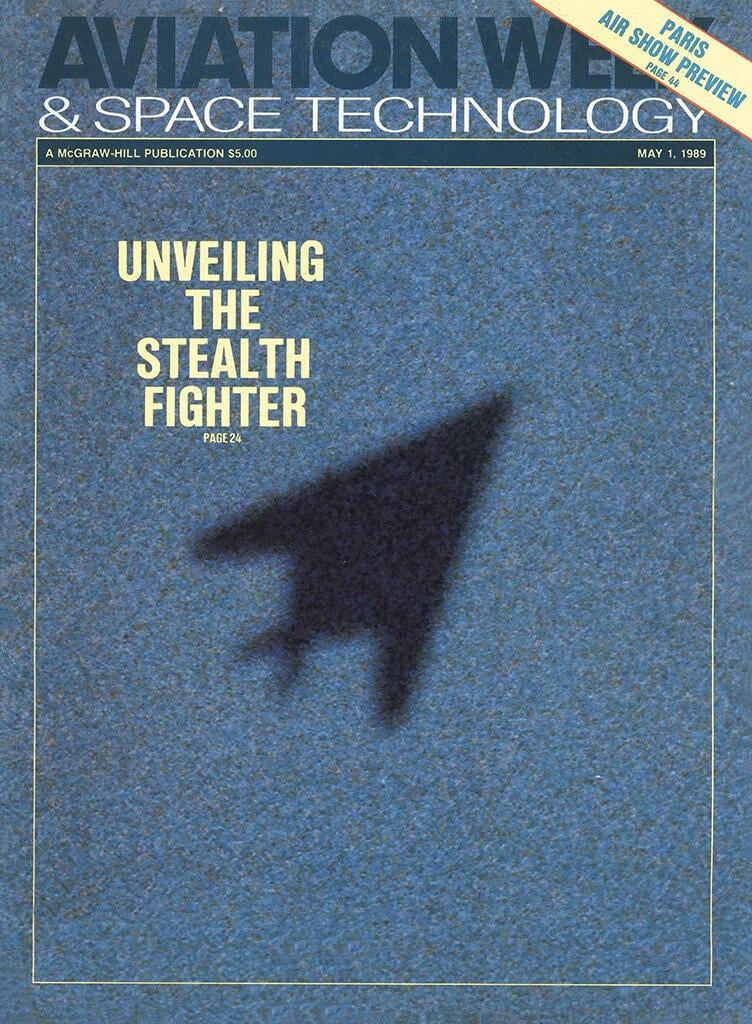
First Image of F-117A in Flight
Five years after the Lockheed F-117A became operational in 1983, the U.S. Air Force acknowledged the existence of a stealthy attack aircraft that was designated a fighter despite its lack of air-to-air weapons. But officials released only a murky “photograph” that obscured the F-117A’s unique characteristics. Within months, AW&ST obtained a telephoto image of an F-117A flying near Edwards AFB, California. The image ran on our May 1, 1989, cover accompanied by detailed analysis of the aircraft’s characteristics and training flights by Engineering Editors Michael A. Dornheim and William B. Scott.
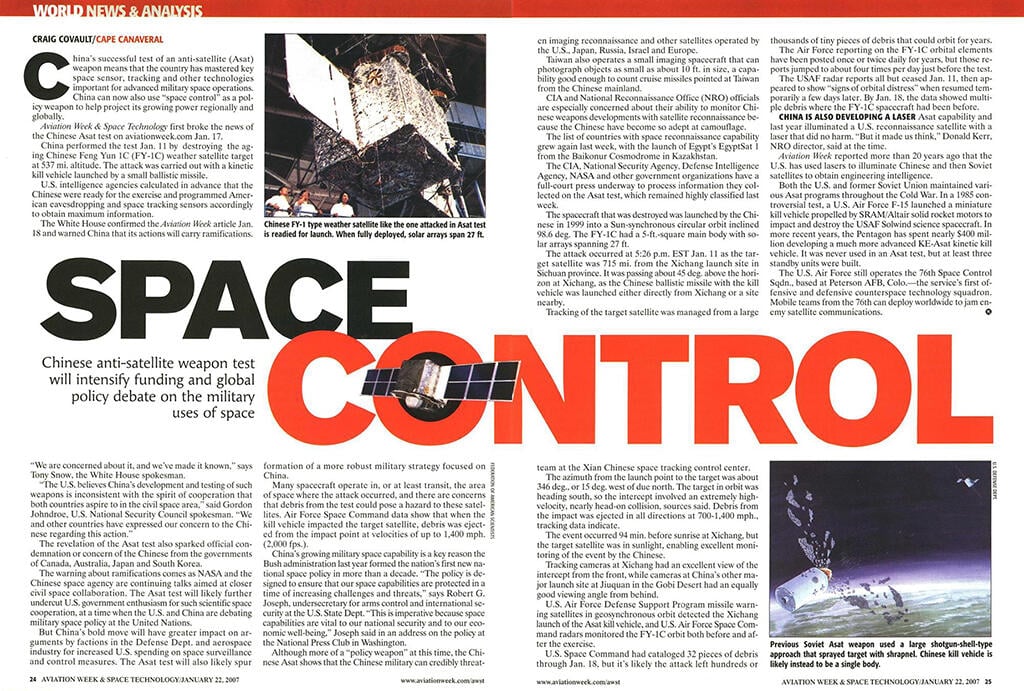
Revealing China’s Satellite Killer
Senior Editor Craig Covault broke the news that China had tested an anti-satellite weapon, destroying one of its aging satellites and greatly increasing the amount of space debris in orbit. Covault broke the story on our website on Jan. 17, 2007, six days after the test, and it was quickly confirmed by the White House. His article in the Jan. 22 edition of the magazine noted that the test meant China “has mastered key space sensor, tracking and other technologies for advancing military space operations.”
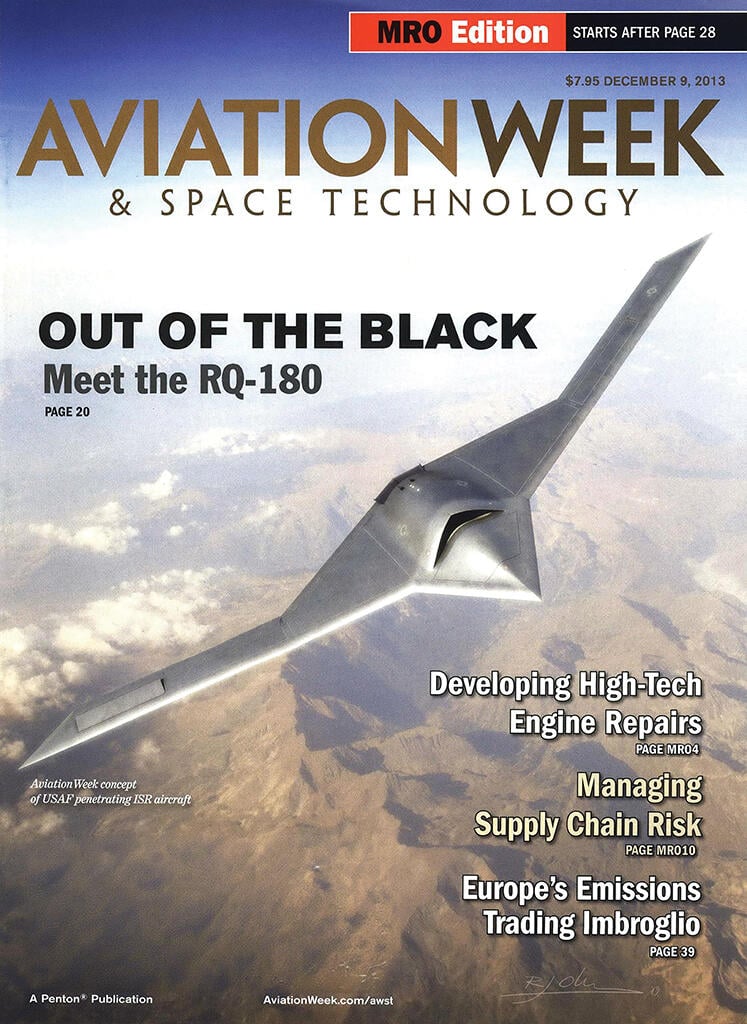
Unmasking the RQ-180
In late 2013, Defense Editors Amy Butler and Bill Sweetman revealed the existence of the RQ-180, a classified uncrewed aircraft built by Northrop Grumman designed to penetrate the airspace of adversaries with advanced defenses. Their revelation, based on months of reporting and multiple sources, identified the RQ-180 as a “steppingstone” to what would become the Northrop Grumman B-21 bomber, which was rolled out in 2022. A concept image of the RQ-180 appeared on AW&ST’s Dec. 9, 2013, cover.
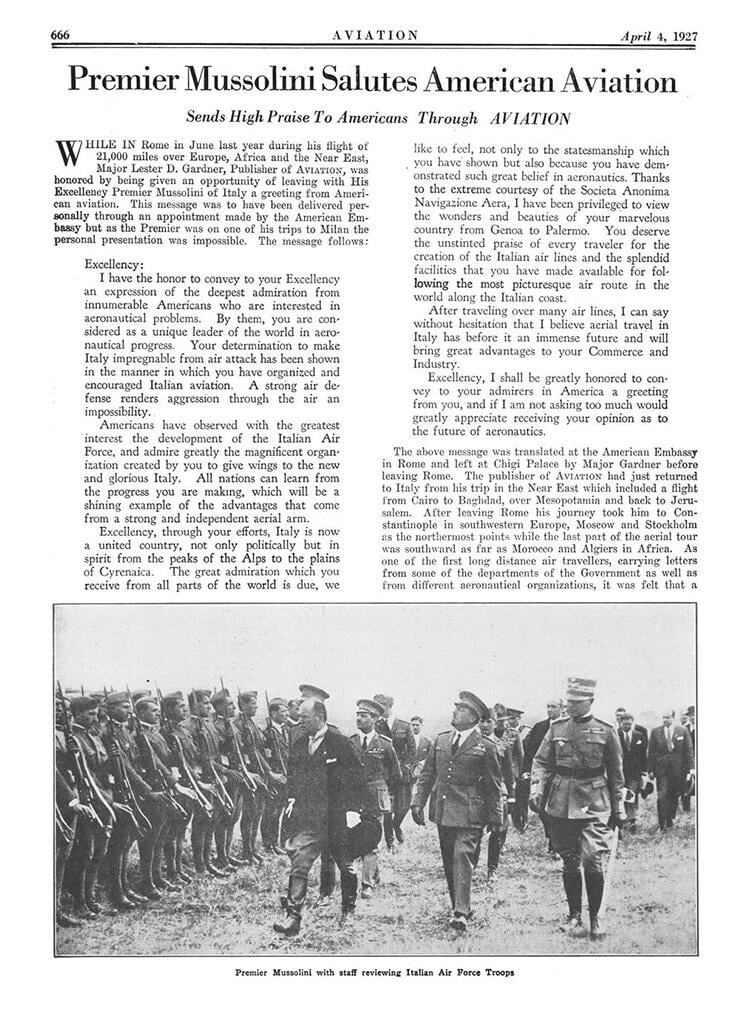
Love Letters With a Tyrant
In our April 4, 1927, edition, founder and Editor-in-Chief Lester D. Gardner published a tribute to a European leader expressing “the deepest admiration from innumerable Americans who are interested in aeronautical problems. . . . You deserve the unstinted praise of every traveler” for the creation of airlines and “splendid” aviation facilities. “I am well aware of the magazine Aviation,” Italy’s Benito Mussolini wrote back, calling it “the champion in your country of the broadest and most rapid development of the wings of peace and of war.”
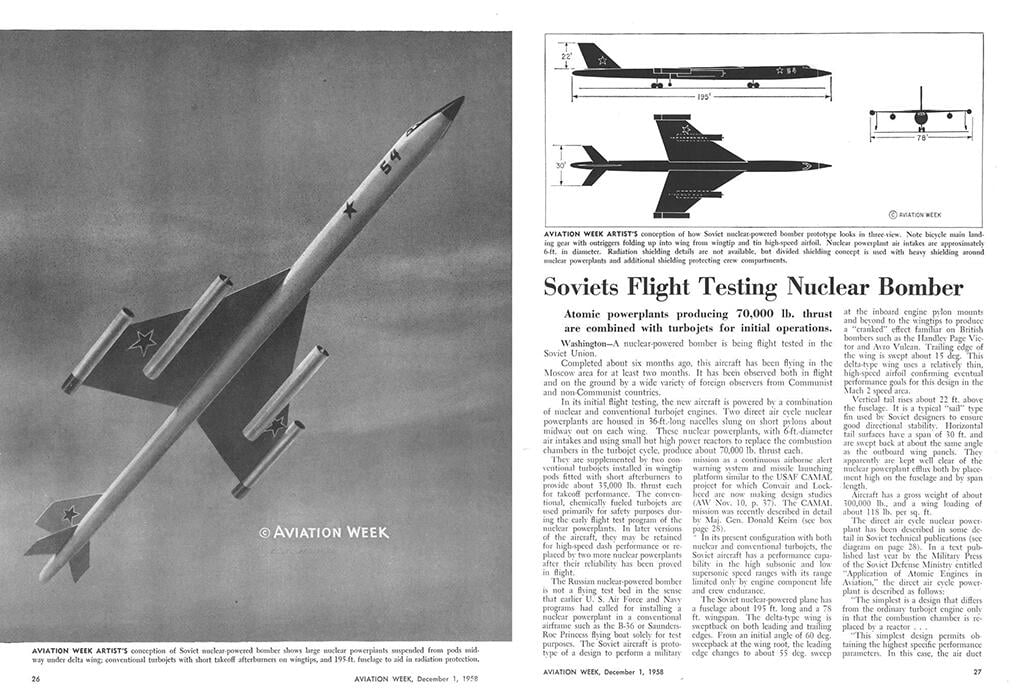
The Nuclear Bomber That Never Was
Our Dec. 1, 1958, edition alarmingly revealed that the Soviet Union was flight-testing a nuclear-powered bomber. The story included an AW&ST artist’s concept of the aircraft, while an accompanying editorial warned that Soviet military advances were threatening the survival of the U.S. as a free nation. But there was no bomber: Aviation Week had been fooled by an elaborate hoax. Both Soviet and U.S. research into nuclear-powered aircraft wound down in the 1960s as ICBMs rendered the concept obsolete.
A Faux Pas, Compounded
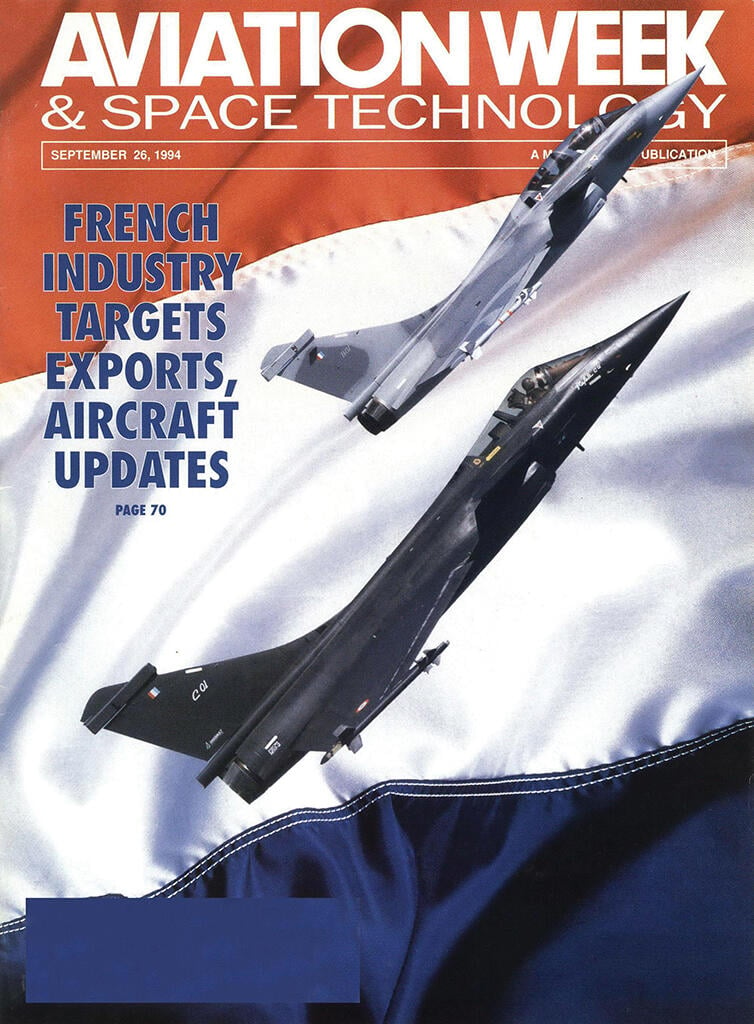
Our Sept. 26, 1994, cover featured two Dassault Rafale fighters superimposed over an image of an upside-down French flag. Rather than own up to the mistake, AW&ST’s editor-in-chief insisted in a letter to readers two weeks later that the flag’s placement had been intentional, “flowing upward in the direction of the soaring Rafael fighters,” misspelling the aircraft’s name. An unimpressed Bruce Nordwall, the magazine’s avionics editor, hung a plaque of the cover sideways in his Washington office so the flag was properly displayed.
Air Cargo’s ‘Next Big Thing’
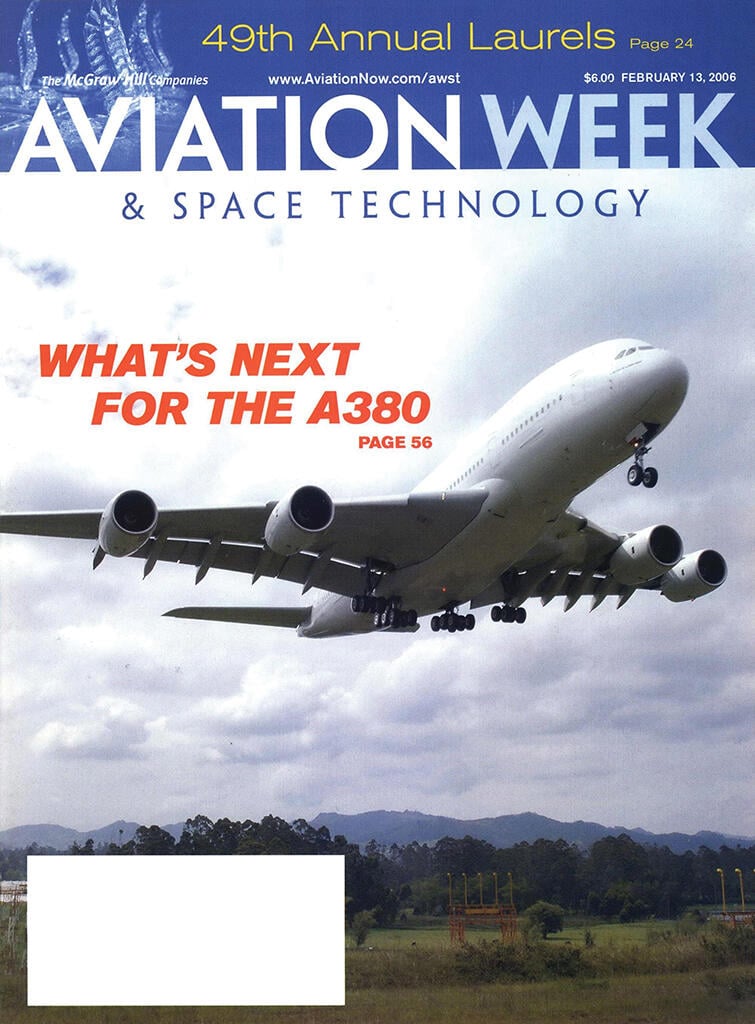
A Feb. 13, 2006, article featured an artist’s rendering of a very big FedEx cargo jet, the Airbus A380-800F. Having won freight orders from FedEx, UPS, Emirates and International Lease Finance Corp. (ILFC), the giant freighter was on track for a first flight in 2007. Designed as a market disruptor, “the next big thing,” as Aviation Week called it, became the next big flop. Fed-Ex and UPS canceled their orders in favor of two-engine freighters, and ILFC converted its orders to passenger A380s. The program was put on hold in 2007, and Airbus finally pulled the plug in 2014.
Aviation Week & Space Technology celebrates its 110th anniversary on Aug. 1. Over the decades, the magazines has had numerous scoops, along with a few regrets.


Comments
Bernard Biales (Reader since 1951)