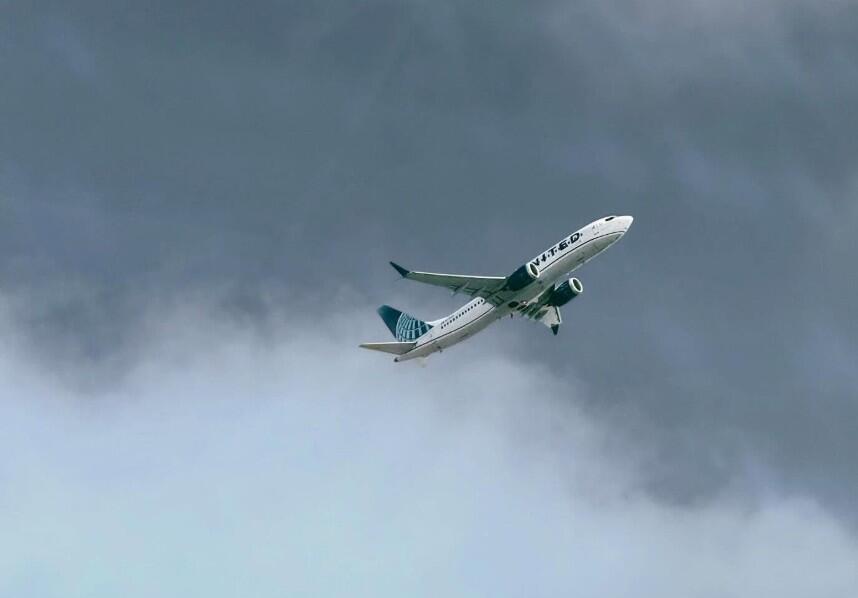
United Airlines is cutting capacity 5% in the face of surging fuel costs from war in the Middle East, worried the price of oil will remain elevated through 2027.
“If prices stayed at this level, it would mean an extra $11 billion in annual expense just for jet fuel,” CEO Scott Kirby said in a March 20 statement.
Jet fuel prices have roughly doubled since the U.S. and Israel launched airstrikes on Iran. That prompted Tehran to attack oil infrastructure in the region, setting off a spike in the price of oil.
The airline is trimming flights that are not profitable with fuel costs at current levels, suspending service to affected locations such as Tel Aviv and Dubai, and taking other steps. Together, the adjustments amount to a 5% capacity cut, Kirby said.
“Our current plan is to restore the full schedule this fall,” he noted, adding long-term plans for next year and beyond were unchanged.
United will not take drastic measures as it has in previous crises, in part because it is financially more resilient, he asserted. “We will continue full speed ahead to take delivery of about 120 new aircraft this year, including 20 new 787s, and will take another 130 new aircraft by April 2028,” Kirby said.
United's plan assumes oil goes as high as $175 per barrel and does not retreat below $100 until the end of next year.
While Kirby said demand has remained strong, he acknowledged that bookings could weaken in the face of high energy costs. “If we're right that oil stays higher for longer, we'll be in a better position to be first on many decisions that others will follow,” he said.

Related Content