This article is published in Aviation Daily part of Aviation Week Intelligence Network (AWIN), and is complimentary through Jan 09, 2026. For information on becoming an AWIN Member to access more content like this, click here.
LYON—Wheel bearings—landing gear components that ensure smooth rotation and sustain high loads—should be maintained carefully, Airbus experts say in their Safety First monthly.
The publication usually highlights quick wins, such as easy ways to avoid incidents seen in operation. It also calls attention to procedures every crew member or maintenance technician should know, as sometimes they have not mastered—or just need to practice—simple yet vital methods that can prevent serious safety events.
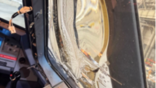
December’s Safety First describes an Airbus A330 that suffered significant damage when a wheel bearing failed during the takeoff roll. The forward right wheel of the right-hand main landing gear detached and spread debris across the runway. Improper maintenance most probably caused the incident, Airbus’ experts say.
The brakes and the hydraulic system suffered damage. Other deterioration could have included damage to the landing gear axle and a fire, which sparks and heat could generate.
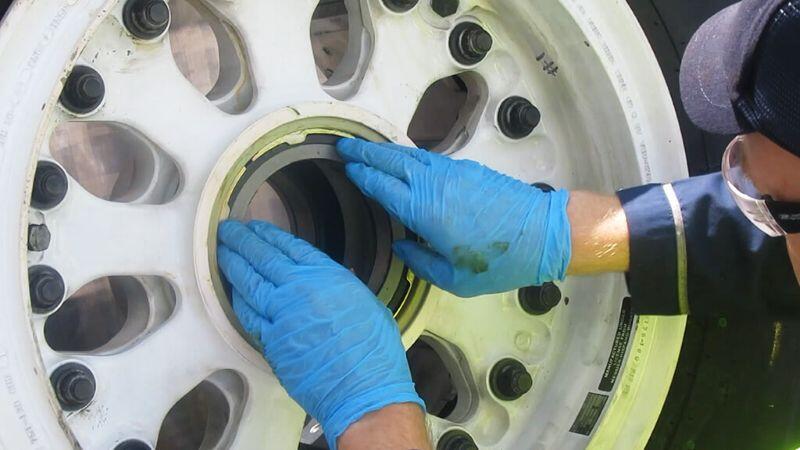
The primary causes of wheel bearing failures are related to incorrect maintenance practices, the experts insist. They point at key requirements for technicians. If the bearing appears to be in bad condition, such as significant contamination of the grease, signs of overheating, or obvious damage, it must be replaced. For lubrication, technicians should use lithium-based grease instead of clay-based grease. Lithium-based grease ensures better protection and longevity.
The wheel must be carefully installed to ensure that the bearings are properly aligned and preloaded, so that they can operate correctly. Application of the initial seating torque must be done while rotating the wheel at a constant speed, in the same direction that the axle nut is being tightened, the experts add.