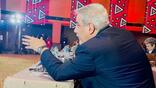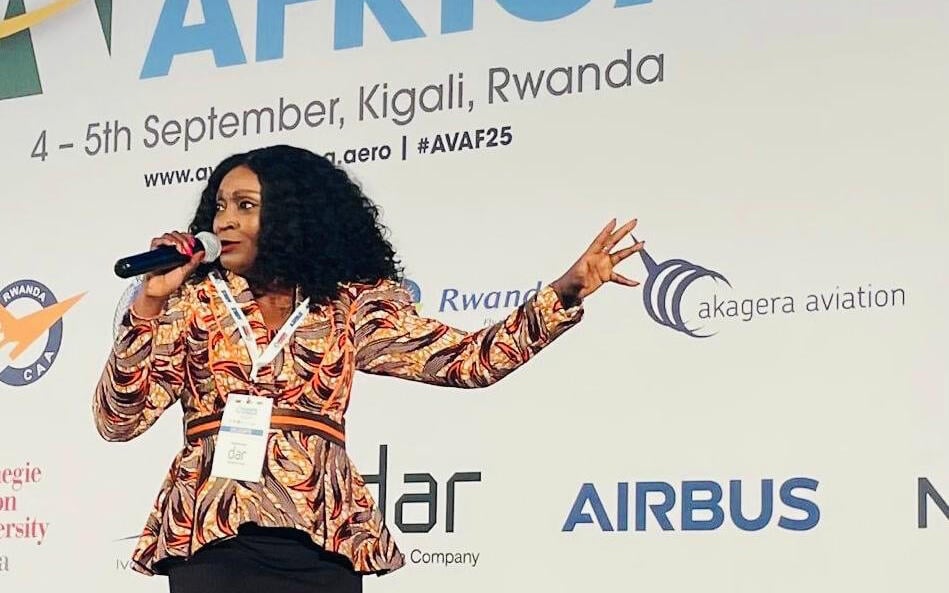
AFCAC's Adeyemi addresses delegates at Aviation Africa 2025.
KIGALI, Rwanda—Work on creating the Single African Air Transport Market (SAATM) should be accelerated to completion, said Adefunke Adeyemi, Secretary General of the African Civil Aviation Commission (AFCAC) as she addressed delegates at the Aviation Africa 2025 Summit here on Sept. 4.
While there has been liberalization among a handful of African states under SAATM, she called on the continent's governments to implement laws that bring Africa's free air market into force to create “intra-African domestication” by the end of 2026.
If this were completed, it would remove capacity and frequency restrictions on intra-African routes and grant fifth freedoms on priority route corridors. “This means that intra-African routes are treated as domestic services,” leading to a reduction in cost to airlines and travelers alike, she said.
Adeyemi, who began a second three-year term at the head of AFCAC on Sept. 1, explained that 38 of the 55 African Union states have committed to SAATM as of 2025, but far fewer have enshrined its principles in national law. The 38 states represent 90% of intra-African traffic.
Africa can mirror the successful market liberalization experience of Europe, North America and the ASEAN region and safeguard thin routes through public subsidy, she added.
From November 2022 to April 2025, 108 new routes with an extra 2.9 million passengers carried have been launched in Africa, demonstrating that “market liberalization is steadily advancing,” Adeyemi said. This includes 19 new fifth freedom routes.
“The 108 new routes under SAATM are lowering airfares and travel times, while boosting trade and tourism across Africa,” she noted. This enhances connectivity and reduces the reliance on non-African hubs, such as Doha, Dubai or Istanbul.
If SAATM was fully implemented by African states, it would create 96,000 jobs in aviation and 268,000 in tourism, bring a 1.1% increase in trade within the continent, boost intra-African traffic by 51% and bring an extra 15.9 million passengers (from 31.2 million), according to AFCAC.