Egypt doesn't need much introduction. Known as the world's first nation-state, its ancient civilisation is a subject in classrooms around the world.
A huge investment in tourism and infrastructure is paving the way for airlines in the region and beyond to look closer at what the country has to offer.
It is home to some of the oldest and most famous monuments in the world, including the breath-taking pyramids, the Sphinx and the Valley of the Kings
.
Its vein is the River Nile, which provides support for the Egyptian people where the land is fertile, a contrast to the surrounding Sahara
Desert
.
To the north of the country lies the Mediterranean and in the east is the Red Sea
, both offering stretches of golden beaches.
So it is easy to see why year-round sunshine and archaeological heritage draws millions of tourists annually to this fascinating country.
Tourism has become one of the biggest sources of income to the Egyptian economy, although others include Egyptian labour – there are around 6 million Egyptians working in counties like Saudi, Kuwait and the UAE, that send money back to their families.
The Suez Canal
has around 20,000 vessels passing through each year, which generates million of dollars, and there are oil and gas exports.
The value of the tourism sector is estimated at $18.2bn, or 16.3 per cent of GDP. Tourism is also estimated to be growing at five per cent annually and remains the mainstay of the country’s economy, employing more 1.5 million people and bringing vital foreign revenues in to the country.
“Our current target is 14m tourists to visit Egypt
by 2011,” said Zoheir Garranah, Minister of Tourism. “Every million tourists generate around 200,000 new jobs, directly and indirectly. Egypt
is a well-packaged tourism product and we will only get stronger as additional infrastructure is added and improved.
“Today 90 per cent of visitors come through tours. We want people to be able to travel individually too. Egypt has a diverse tourism offering but now, even with specialised products like healthcare, golf, yachting or shopping, there is still room for growth,” said Garranah.
The Russian market now accounts for the largest number of arrivals into Egypt
. And Poland
and the Ukraine
are also high on the list. But Europeans, particularly, have always been visitors as well as other GCC tourists.
“The growth in the Russian and British markets has ensured that Europe
continues to dominate the tourism sector here with an estimated 70 per cent of arrivals originating from the continent,” said Awad Dargham of Alkan Travel.
“Arab nationals account for an additional 17.8 per cent. We have a lot of Saudi tourists in summer as the weather there is too hot, plus they speak the language. We have tourists from Dubai
and Kuwait
. We also get a lot of Lebanese people who enjoy Sharm El Sheikh, especially, as it is only a half-hour flight from Beirut
. Libyans and Sudanese also visit; there are actually one million Sudanese living in Egypt
so many come to visit families.”
Tourism in Egypt
is essentially divided between two key markets; cultural tourism and sunshine tourism. Despite Egypt
’s ancient allure, today the country probably attracts more beach tourists than any other type.
“There are different things to do in Egypt
, but it all depends on the client,” said Dargham. “For example, French tourists tend to concentrate on Upper Egypt and Cairo
. Here you can fly to Luxor
, home to The Valley of the Kings and Queens and the Karnak
temples. Tourists then go on a Nile cruise for a week, before heading back to Cairo
.
“German tourists like a mix of culture and beach. They mainly fly to Hurghada by the Red Sea, about 500km from Cairo
, which has a large tourist development with hotels, bars and restaurants. By bus it’s about three hours to Luxor
, so many tourists travel for a few days there before heading back to Hurghada.
British people also like the beach and cultural mix but mainly fly to Sharm El Sheikh, which is the largest and most luxurious seaside resort in the Sinai area. It is situated between the mountains of Gebel el Igma and the beautiful Azure
Sea
and is a few hours away from Sinai, where the Pharaohs went in search of gold, copper and turquoise and where Moses witnessed the Burning Bush.”
Many European countries specifically lack warm beaches and the alternatives to Egypt
are somewhat expensive. Therefore, not only do people come to Egypt
’s beaches independently, but many arrive by way of chartered airlines that specialise in such holidays from Europe
.
“Egypt also offers some of the best diving in the world, particularly by the Red Sea in resorts like Hurghada; El Gouna, Sharm El Sheikh, Marsa Alam and Dahab,” said Dargham.
Away from the beaches, Egypt
is full of treasures to visit in many of its towns and cities that are sometimes overshadowed.
Dargham explained: “Aswan
is Egypt
’s southernmost city and sits on the banks of the Nile
and is decorated with palm-fringed islands. It is home to Nubian people, a distinct ethnic group from this area and Sudan
who speak their own language and have their own customs. The town is more African in character than the cities of the north and is fascinating to see.
Aswan
is not too far from Abu Simbel, home to two of the most spectacular temples in the world located on the shores of Lake
Nasser
. They were for Ramesses II, primarily dedicated to Re-Harakhte, and his wife, Nefertari, dedicated to Hathor.
“Alexandria
is a beautiful city founded by Alexander the Great in 331 BC. It was the setting for the relationship between Cleopatra and Mark Antony, and was also the centre of learning in the ancient world,” said Dargham. “Today it is known as the Pearl
of the Mediterranean and is the second largest city in Egypt
. It has stunning buildings, grand squares, European cafés and a cosmopolitan atmosphere.”
Egypt
’s capital is Cairo
– a chaotic city with 22 million people packed into it, horrendous traffic and even worse pollution.
“Cairo
is a very multinational population,” said Dargham. “We have many African people studying here, as well as people fleeing from war-torn countries. We have every Arab nationality living here as well as many Europeans and Americans.”
Cairo
is a holiday destination in itself, packed with historical sites. It is one of the oldest cities in the world and has a history of thousands of years. Its most famous site is the pyramids. They were built by the Pharaohs to shelter them in the afterlife.
The pyramids of Giza
are more than 4000 years old and are one of the ancient seven wonders of the world. Each pyramid is a tomb dedicated to a different king of Egypt
. The three largest pyramids located in the valley consist of the Great Pyramid of Khufu
, the Pyramid of Kafhre and the Pyramid of Menkaura. You can go inside the second pyramid, which is quite a hairy experience.
It is here you will also see the impressive great Sphinx – the statue of a reclining lion with a human head that stands on the Giza Plateau.
“To see the all Pharaonic monuments in Cairo
you will need at least a week,” said Menna Elhamy of Alkan Travel. “But if you don’t have time there are various tours you can take in one day or a few days, which is especially good for those coming to Cairo
on business and getting a free day. For instance, a day tour starts early morning to the Giza
pyramids to avoid the sun and in the afternoon you can visit the Egyptian
Museum
or the Coptic region.”
The Egyptian
Museum
is a major highlight of Cairo
being home to 120,000 relics and antiquities, including mummies, from just about every ancient Egyptian period.
“The Coptic region in old Cairo
is home to the Coptics,” explained Elhamy,“Copt refers to the Egyptian Christians who were evangelised by St Mark the Apostle in the first century AD. It encompasses the Babylon Fortress
, the Coptic Museum
, the Hanging Church
, the Greek Church of St George and many other Coptic churches and historical sites. It is a beautiful and important area in Cairo
.”
Cairo
has fabulous local eateries and international restaurants, including some floating restaurants on the Nile
. There are bars and nightclubs, where you can enjoy the local beer and even Egyptian wine.
But is Egypt
a safe country for tourists?
“Egypt
has not been without its share of violence through the years, which at times was directed at tourists. But this is firmly no longer the case,” said Dargham.
“Certain precautions remain, including the enforcement of police convoys for coach trips in Upper Egypt
and certain rural areas, but that is just to be extra safe. Cairo
itself is especially safe.”
Egypt
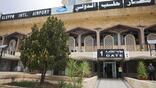
is investing in its airports.
Dargham said: “We have many flights, both international and domestic to many airports. Cairo
International
Airport
is now one of the fastest growing airports in North Africa
. Egypt
is a gateway to Africa
and has very good connections to African countries, which is another reason for us being a business destination as well as a tourist one.
We also have international airports in Aswan
for charter airlines
for those visiting the River Nile
and the Valley of the Kings
and Sharm el-Sheikh, Marsa Alam and Hurghada, which all serve the Red Sea
area.
“Alexandria
offers services to domestic destinations within Egypt
and to low cost carriers across the Arab world
and Athens
in Greece
.”
The government has a strategy called the National Sustainable Tourism Plan (NSTP), which is aimed at taking the sector through to 2022. The plan is to see tourism in Egypt
growing to between 25m and 30m visitors.
“We will always have a lot more to offer than any other country, just because of our historical background. We offer a diverse cultural heritage, with Pharohmonic, Roman, Greek, Islamic, Coptic and Jewish culture, ancient monuments and glorious beaches. Egypt
is an all-year-round destination; an asset very few countries can offer,” said Garranah
New developments are in place with a new and increasing investment from wealthy Gulf neighbours beginning to transform previously undeveloped areas of the Red Sea
and the Mediterranean coast. More golf courses will be built, but the most exciting project is The Grand Egyptian Museum being built at the foothills of pyramids.
“It will become the world’s largest museum once complete around 2013 and house more relics and antiquities that the current Egyptian
Museum
. It will be a stunning museum and will bring thousands more tourists each year,” said Dargham.