FRANKFURT—Cyprus is seeking longer operating seasons, higher winter frequencies and new routes as it works to reduce the seasonality of its air transport market.
“Strengthening year-round connectivity remains one of our highest priorities,” Maria Kouroupi, Hermes Airports' aviation development, marketing and communication director, told Routes. “While Cyprus has traditionally been viewed as a summer destination, our focus is increasingly on supporting winter traffic growth through higher frequencies, longer operating seasons and new route opportunities.”
Recent developments at Larnaka International Airport (LCA) include Wizz Air’s launch of a route to Madrid, complementing its year-round Barcelona service and strengthening the airport’s links with Spain.
The airline has also reinstated 2X-daily flights between Larnaka and Athens and increased winter capacity to Thessaloniki, Bucharest, Bratislava, Venice and Wroclaw.
OAG Schedules Analyser data shows capacity between Cyprus and Athens is scheduled to rise 16.4% year over year during winter 2026-27 to almost 444,000 departure seats. Wroclaw capacity increases 143% to approximately 23,600 seats, while Bratislava grows 159% to about 14,100.
More News And Analysis From Routes World 2026
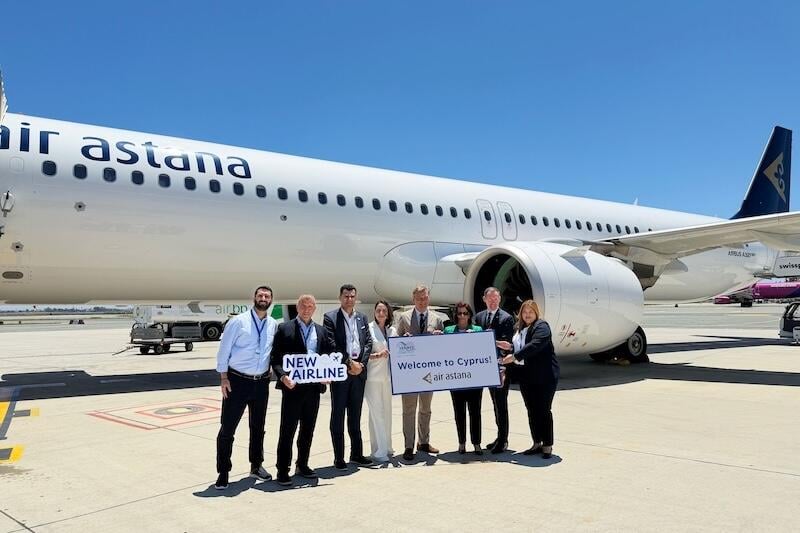
Another addition during 2026 was Air Astana’s launch of flights from Larnaka to Astana and Almaty. The routes established the first nonstop passenger links between Cyprus and Kazakhstan, opening a new Central Asian market for the island.
At Paphos International Airport (PFO), demand from Israel and Poland continues to support the airport’s international network. Scheduled winter capacity from Paphos to Tel Aviv is set to increase by about 25%, while combined service to Warsaw and Wroclaw rises by approximately 22%.
Kouroupi said the UK, Germany, Poland, Switzerland, Scandinavia and the Baltic region are among the main markets being pursued for further winter development. All offer the potential to extend existing seasonal routes or support additional frequencies outside the peak summer period.
“Our strategy is built on close collaboration with airlines and stakeholders,” she said. “We combine detailed market intelligence, passenger demand analysis, targeted incentive programs and joint marketing initiatives to support sustainable route development.”
For an island market heavily reliant on aviation, reducing seasonality could provide broader economic benefits. Longer airline operating seasons would improve access for visitors and residents while providing more consistent demand for hotels, tourism businesses and airport service providers.
However, routes must still be able to support commercially viable frequencies during the quieter months. Hermes is therefore using demand analysis and joint marketing support to determine where services can be extended sustainably.
“The objective is not simply to add capacity, but to ensure long-term route viability by aligning airline growth plans with destination demand,” Kouroupi said.
Beyond its established European and regional markets, Cyprus is also examining opportunities for direct long-haul service. The U.S. and India are among the priorities identified by Hermes, supported by a mix of leisure, business and VFR traffic.

Related Content