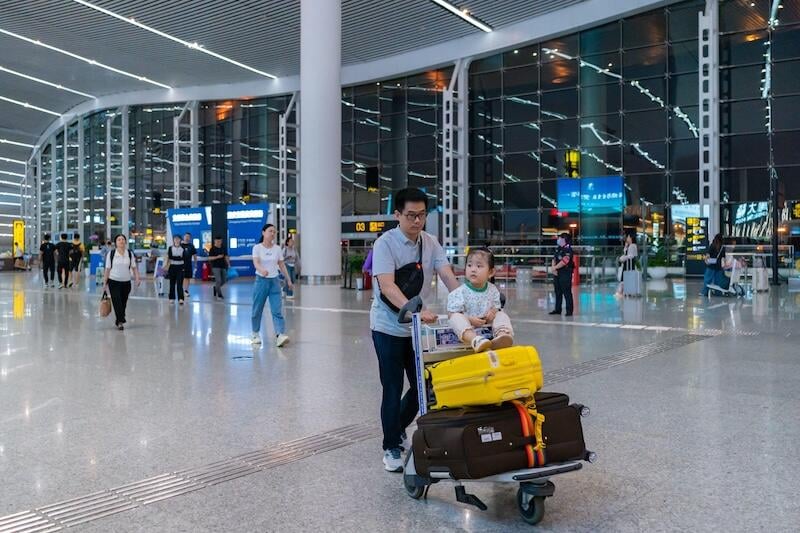
Chongqing Jiangbei International Airport.
XI'AN, China—China’s Chongqing Jiangbei International Airport (CKG) is seeking to expand its international network, with a focus on Asia and Europe, as it works to strengthen its position as an inland hub.
Airport operator Chongqing Airport Group says future route development will target intercontinental services and key markets under China’s Belt and Road Initiative and Regional Comprehensive Economic Partnership frameworks.
“Moving forward, Chongqing Airport Group will prioritize the Asian and European markets, with a strategic focus on intercontinental routes,” Chairman Huang Wei says.
The strategy builds on Chongqing’s role as a key economic and logistics center in western China, underpinned by national initiatives including the Chengdu–Chongqing economic circle—designed to develop the region into a major inland growth hub—and the New Western Land–Sea Corridor, a trade network linking Western China with Southeast Asia and global markets.
The airport is also deepening partnerships with major Chinese carriers. Agreements signed with Air China and Hainan Airlines designate both airlines as core hub operators.
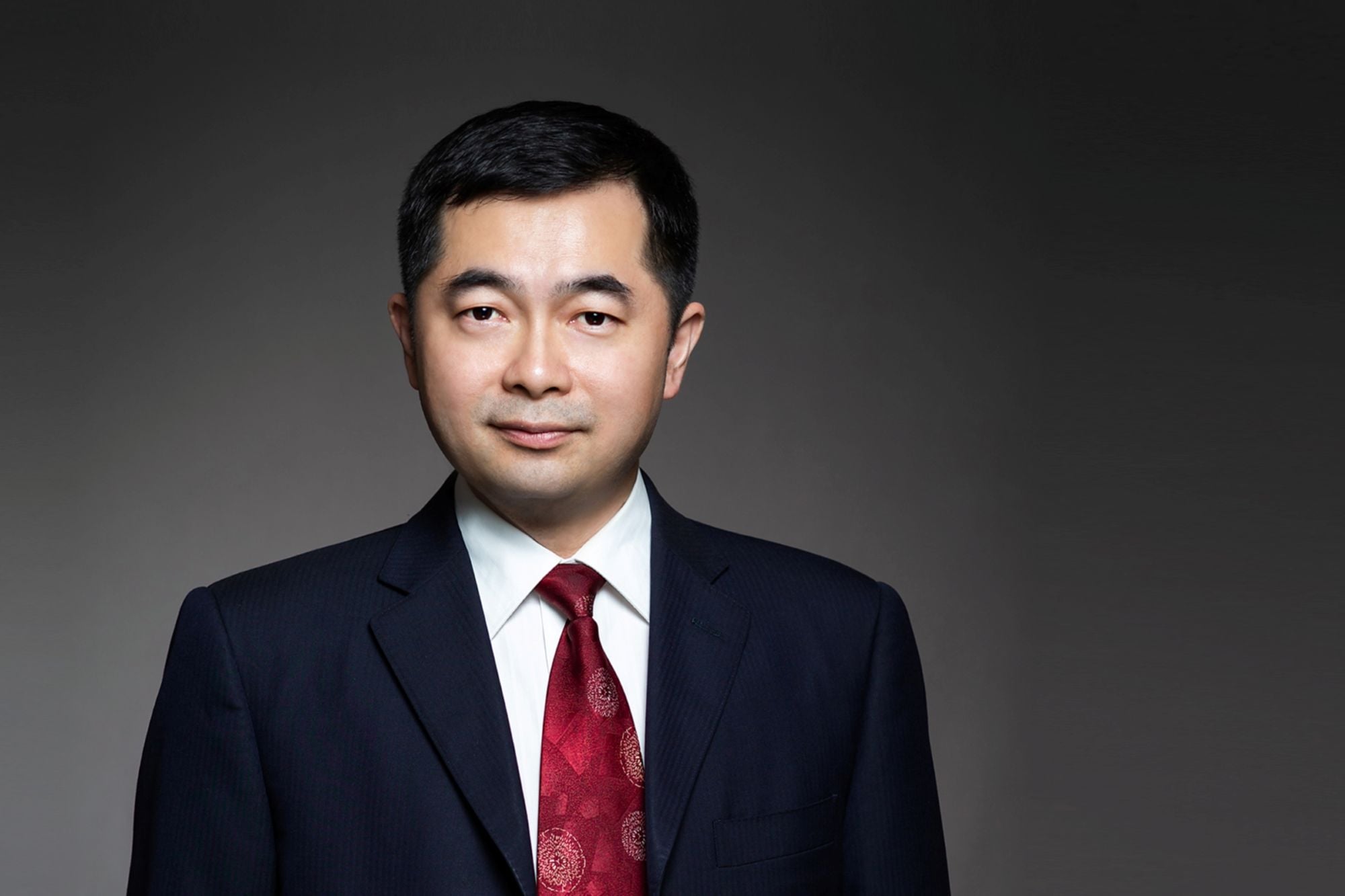
Looking ahead, Huang highlighted policy, market and infrastructure advantages as key enablers of growth. “CKG is one of the seven regional gateway international aviation hubs in the CAAC’s ‘3+7+N’ international aviation hub system,” he says, referring to China’s national framework for developing a tiered network of global and regional hub airports. Huang adds that expanded visa-free policies and improved airspace design are expected to support higher capacity and connectivity.
More News And Analysis From Routes Asia 2026
The airport’s infrastructure has also been strengthened, with Terminal 3B and a fourth runway now in operation, alongside airspace optimization that increases peak-hour capacity from 54 to 60 movements. These upgrades are expected to support long-term expansion, with total annual capacity reaching 80 million passengers.
Despite these advantages, challenges remain. Huang said the airport is still working to restore long-haul connectivity to underserved regions. “Currently, the airport has yet to resume flights to South America and Africa,” he said, noting that geopolitical factors, traffic rights and shifting demand continue to constrain international growth.
However, in 2025, Chongqing handled more than 50 million passengers for the first time, alongside cargo volumes exceeding 500,000 tons. International and regional traffic reached 2.3 million passengers, up 30.7% year on year, with Southeast Asia emerging as a key source market.
Network development has continued into 2026, with new passenger routes launched to Sabah, Chiang Mai and Manila, alongside frequency increases to destinations including Singapore, Seoul and Bangkok.
Huang says continued policy support and airline partnerships will be critical to sustaining this growth. “The group will strive to position CKG as a major aviation hub connecting China’s central and western regions with the world,” he adds.

Related Content