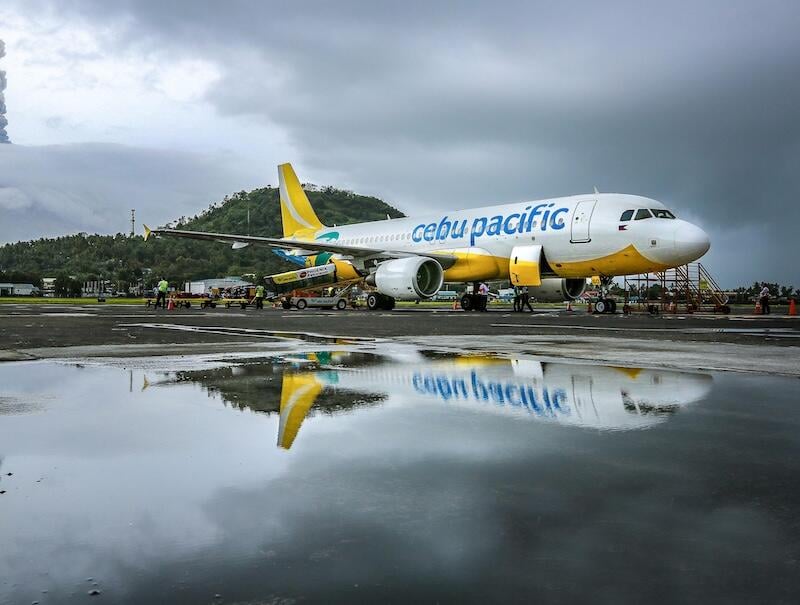
Cebu Pacific is suspending four routes and adjusting capacity plans as rising fuel prices linked to instability in the Middle East increase operating costs.
The Philippines-based LCC reported continued passenger growth in February, carrying 2.3 million passengers, up 7.9% year-on-year, with both domestic and international traffic rising. Capacity measured in available seat kilometers increased 7.8% during the month, while passenger load factor fell 1.2 percentage points to 85.6%.
However, the airline is now reassessing parts of its network as jet fuel prices have surged amid military strikes and regional conflict involving Iran and disruptions to oil and shipping routes in the Middle East.
Routes being suspended include Davao-Bangkok Don Mueang from April 13 to Oct. 23, Iloilo-Bangkok from April 17 to Oct. 24, Iloilo-Singapore from June 15 to Oct. 24 and Clark-Hanoi from May 2 to Oct. 25.
Cebu Pacific will also reduce frequencies on several other international routes, including Cebu-Singapore, Manila-Jakarta, Manila-Kuala Lumpur, Manila-Melbourne and Manila-Sydney. The carrier had already extended the suspension of its Dubai service, with flights paused through March 28 at the earliest.
The LCC says the network adjustments are temporary and are intended to mitigate the impact of higher fuel costs, “which have more than doubled” compared with 2025 averages. “We understand that these changes may disrupt travel plans, and we sincerely apologize for the inconvenience,” it adds.
Speaking earlier in March, CEO Mike Szucs said the airline would continue to review pricing and network strategies to mitigate the impact of higher fuel costs, noting that its domestic network, fuel-efficient fleet and low-cost structure provide some protection against rising operating expenses.
“Our February performance underscores Cebu Pacific’s continued growth, supported by healthy bookings and resilient demand across both domestic and international markets,” he added. “At the same time, we remain cognizant of the ongoing crisis and uncertainty in the Middle East, and the potential impact of sharply increasing fuel prices on our business.”

Related Content