Europe’s regional airports are facing an “existential threat” from rising jet fuel prices, fragile demand and mounting policy pressures, ACI Europe warns, calling on Brussels and national governments to provide urgent relief to safeguard regional connectivity.
Speaking at the ACI Europe Regional Airports Conference in Turin, ACI Europe Director General Olivier Jankovec says smaller airports are particularly exposed to the fallout from the energy shock triggered by the conflict in the Middle East.
“The current levels of jet fuel prices and the prospect of a new cost-of-living crisis mean that many regional airports across our continent are likely to face both a supply and demand shock,” Jankovec says. “For them, this is nothing short of an existential threat.”
The warning comes as Europe’s aviation sector braces for the combined impact of higher fuel costs, tighter airline capacity discipline and persistent operational disruption, with regional airports seen as among the most vulnerable parts of the network.
ACI Europe highlighted that the post-pandemic recovery has exposed a widening divide in the regional airport market. Passenger traffic at smaller regional airports remains more than 30% below 2019 levels, while larger regional airports have grown more than 16% above 2019 traffic, the association says.
It adds that this is now being compounded by surging fuel costs and weakening consumer confidence, which ACI Europe says are likely to hit regional routes first because they are more price-sensitive and less profitable for airlines.
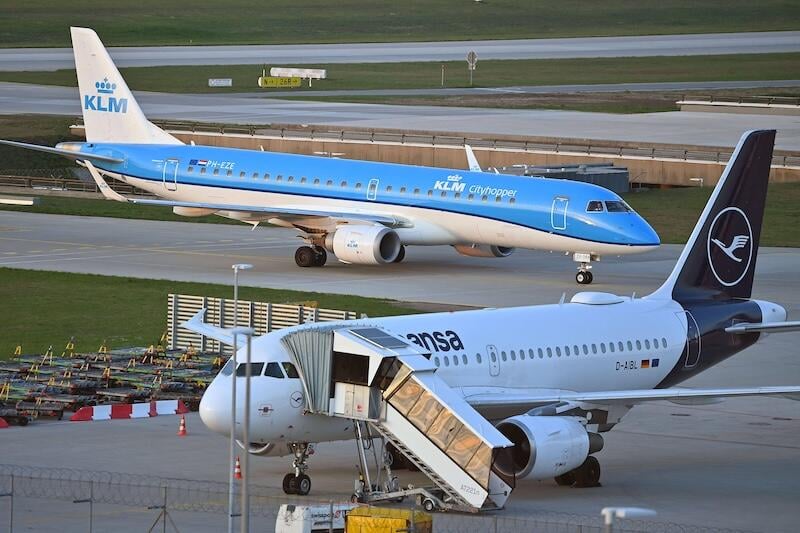
The warning comes as airlines across Europe are adjusting schedules in response to fuel pressures. Norse Atlantic Airways has suspended its summer Los Angeles services from London, Paris and Rome, citing “too high fuel risk exposure,” while KLM has removed some intra-European flights because rising kerosene prices have made them uneconomic. Additionally, Lufthansa plans to cut 20,000 short-haul flights over the summer season.
European policymakers are also preparing contingency measures in case fuel supplies tighten further. The European Commission said this month that while there are no jet fuel shortages in the European Union, officials are preparing for possible supply disruptions.
ACI Europe also warns that operational pressures are being compounded by the rollout of the Schengen Entry/Exit System (EES), which has already caused border control delays at some airports. The group renewed calls for border authorities to suspend EES when queues become unmanageable.
Alongside temporary suspension of national aviation taxes, ACI Europe is calling for continued operating aid for airports handling up to 1 million passengers annually, and stronger European Union support for sustainable aviation fuels and zero-emission aircraft.
Andrea Andorno, CEO of Torino Airport and chairman of ACI Europe’s Regional Airports Forum, says regional airports remain critical to Europe’s economic cohesion. “Considering that they are channeling 35% of Europe’s air connectivity, regional airports are clearly indispensable enablers of the EU’s Single Market and essential for cohesion and regional development,” he adds.

Related Content