The latest news on airports globally, with updates on financing, infrastructure expansion and sustainability initiatives.
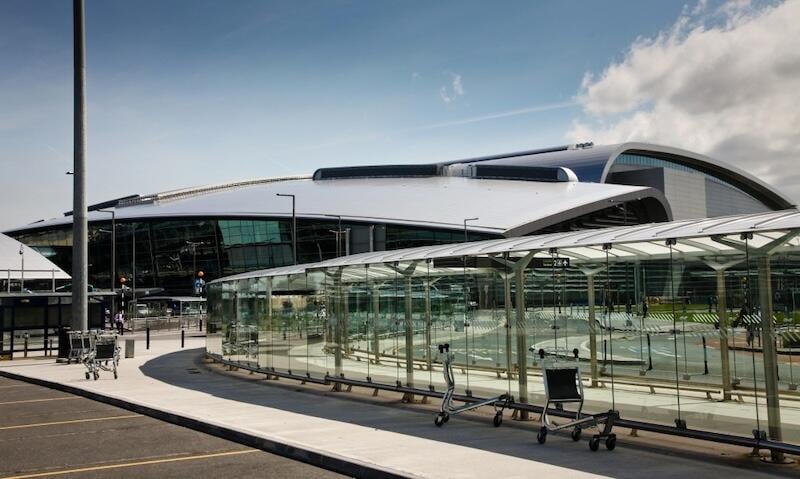
Dublin Airport (DUB) has been granted planning permission to increase nighttime operations and extend the hours of use for its second runway. Under the ruling from Ireland’s national planning body, An Coimisiún Pleanála, the number of flights permitted between 11 p.m. and 7 a.m. local time will rise from an average of 65 to 95 per night across the entire airport. The North Runway, previously restricted during those hours, can now operate from 6 a.m. to midnight, extending its usable hours and aligning noise management with international best practices through the introduction of an annual noise quota. Airport operator daa welcomed the planning decision, saying it “removes uncertainty for Dublin Airport and the airlines.” However, it expressed disappointment at a cap of 35,672 nighttime aircraft movements per year.
Oman Airports has signed an agreement with Singapore’s Changi Airport as part of efforts to increase operational income by reducing costs, changing revenue streams and improving airport performance. “Oman’s strategic geographic position and the presence of multiple airports create an urgent need to develop an integrated framework aligned with Oman Vision 2040, positioning the sector as a key contributor to economic diversification,” Oman Airports CEO Ahmed bin Said Al-Amri says. In a related move, Oman Airports has signed a memorandum of understanding with Malaysia’s WCT International to explore real estate and entertainment developments around Muscat International Airport, targeting higher returns from land investments.
The Metropolitan Washington Airports Authority board has approved an updated masterplan for Washington Dulles International Airport (IAD), establishing a long-term vision for infrastructure and operational development through 2039 and beyond. The revised plan outlines key priorities, including a fifth runway, expanded concourses, main terminal enhancements, new parking and rental car facilities, and land use for non-aeronautical revenue. Passenger traffic at IAD is projected to grow more than 30% by 2030 compared to 2024. The update, which began in 2020, involved consultation with stakeholders and will be submitted to the FAA for concurrence to guide future development decisions at the airport.
Swedavia has posted improved financial results in the second quarter of 2025, driven by strong demand for international travel and higher commercial revenue. Net revenue rose to SEK1,789 million ($185 million) from SEK1,674 million a year earlier, while operating income reached SEK178 million, up SEK 11 million year-over-year. Pre-tax profit totaled SEK109 million. CEO Jonas Abrahamsson said adjusted operating income improved by SEK58 million, despite rising depreciation costs tied to investments like Arlanda’s new Marketplace. Passenger numbers across Swedavia’s 10 airports increased 0.8% to 8.9 million, with international traffic up 2%.

Related Content