Airlines Still Face ME-Linked Jet Fuel Difficulties, Route Disruption
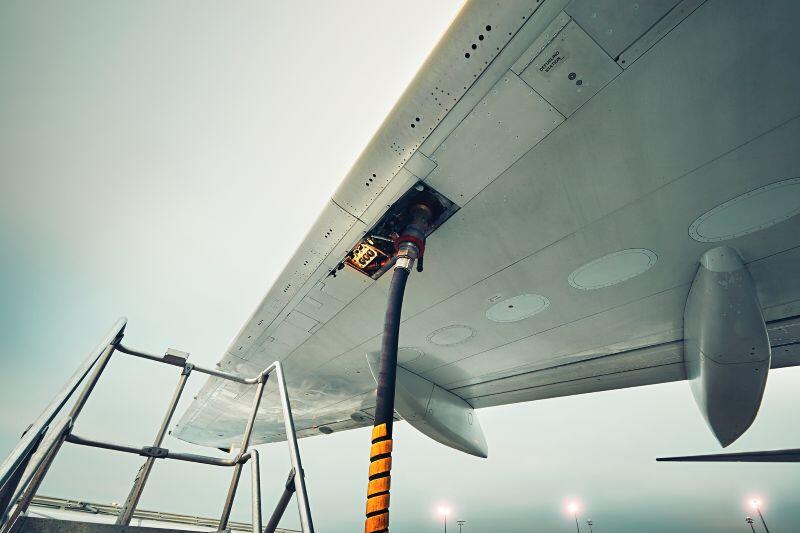
Airlines are still facing jet fuel difficulties as well as changes to their networks, despite stop-start efforts to bring an end to the conflict in the Middle East and reliably reopen the Strait of Hormuz for oil supplies to pass through.
While jet fuel shortage fears may have eased, helped by increases in production in other regions, the recent run of extremely high prices is likely to have a far-reaching impact on the sector.
“At the very least, it will take months for Middle Eastern refineries to return to pre-war production levels, given the war damage and buildup of tankers restricted from transiting the Strait of Hormuz,” says Brijesh Khemlani, senior aviation security analyst at aviation risk intelligence platform Osprey Flight Solutions.
The International Energy Agency estimates that more than 80 energy facilities and associated infrastructure suffered varying degrees of damage during the fighting, which could cost nearly $60 billion to repair, Khemlani notes.
Despite an increase in production elsewhere to compensate, fuel costs remain structurally elevated. The International Air Transport Association’s (IATA) jet fuel price monitor for the week ending June 26 shows the jet fuel price at $116.63/barrel, down 2.1% from the prior week, 26% lower than the previous month, but up 29.5% year over year.
A staggered reopening of the Strait of Hormuz has led to more outflows of oil and liquefied natural gas, but this remains well below pre-war levels, Khemlani says.
“Air operators are concerned about renewed conflict, potential market tightness and profitability. The US and Iran have engaged in intermittent bouts of fighting amid ongoing negotiations on a broader peace agreement. The failure of talks and resumption of full-scale conflict—involving fresh attacks on energy infrastructure in the region and a fresh blockade—will have a detrimental impact on fuel prices and the availability of supply,” he says.
In that scenario, Middle Eastern carriers would be hardest hit—a prediction underscored by the latest IATA passenger travel figures.
In May, global demand for air travel fell 2.2%, excluding the Middle East, where demand grew by 0.7%.
“The decline was centered on carriers in the Middle East with a 28.4% year-over-year fall,” IATA director general Willie Walsh says.
European carriers are also cautious about returning to previously served destinations. In a July 1 update, KLM Royal Dutch Airlines said it will not operate flights to Dubai, Riyadh and Dammam through Aug. 23.
Air France said June 30 it would prolong the suspension of its flights to Tel Aviv, Beirut and Dubai to July 2, 9 and 5, respectively. Finnair has suspended its flights to Doha, Qatar through Oct. 2.
As Europe’s air transport industry gears up for a busy summer, passengers will be keeping a close eye on how airlines balance stimulating demand with covering their own higher costs.
“While operators are generally optimistic about the fuel outlook, there is little incentive to roll back increased fares and fees in the face of high operating costs and thin margins,” Khemlani says. “Budget carriers are expected to reduce prices and restore operations ahead of full-service operators, especially in the Asia-Pacific region. Pre-war capacity could be restored within months in some regions, although underperforming routes might not make a comeback.”