Air Arabia has reported a net profit of AED278 million ($76 million) for the first quarter ending March 31, 2026, marking a 22% decline from AED355 million recorded during the same period last year.
The Sharjah-based LCC said the drop was largely due to the ongoing regional conflict, which has caused airspace closures and temporary operational restrictions that have reduced flight capacity.
Despite the decline in profit, first-quarter turnover rose 1% year-over-year to AED1.8 billion. The airline carried 4.7 million passengers across its network during the quarter, down 5% compared with the first quarter of 2025.
Air Arabia’s average seat load factor increased to 86%, up 2% from the previous year, signaling continued strong travel demand despite operational disruptions.
Air Arabia Chairman Sheikh Abdullah Bin Mohammad Al Thani said the airline "demonstrated strong resilience and agility in responding to rapidly evolving conditions," amidst a difficult operating environment shaped by regional instability.
He added that the company’s ability to optimize capacity and maintain operational continuity helped lessen the impact of the disruptions. “This reflects the strength of our multi-hub business model, our disciplined cost management, and our ongoing focus on operational efficiency and service excellence,” Al Thani said mid-May on the release of the results.
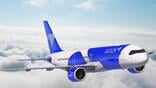
During the quarter, Air Arabia operated a fleet of 90 owned and leased Airbus A320 and A321 aircraft across hubs in Egypt, Morocco, Pakistan and the UAE. The airline said additional aircraft are expected to join the fleet later this year under its existing Airbus orderbook.
Looking ahead, Al Thani said uncertainty continues to weigh on the global aviation sector, citing fuel price volatility, inflationary pressures, and ongoing supply-chain disruptions.
“Despite these challenges, we remain confident in the strength of the local and regional economies we serve and will continue to navigate this environment with discipline and agility, while delivering exceptional value to our customers,” he said.

Related Content