This article is published in Aviation Daily part of Aviation Week Intelligence Network (AWIN), and is complimentary through Feb 11, 2026. For information on becoming an AWIN Member to access more content like this, click here.
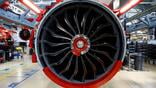
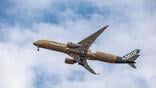
SINGAPORE—Pratt & Whitney says it is close to an agreement with Airbus over firming up PW1100G geared turbofan (GFT) deliveries to match the manufacturer’s increasing A320neo production rate after protracted negotiations.
“We're working through this right now with them, so I'm confident, like every year, we will reach agreement with our good friends at Airbus,” says Rick Deurloo, president of Pratt Commercial Engines. “They've been working with us to get that balance, and as we speak, we're still in dialogue with them right now, locking down the next few years with them as well,” he adds.
Deurloo’s comments, made at the Singapore Airshow, follow remarks on Jan. 12 by Christian Scherer, departing CEO of the Airbus commercial aircraft unit, that a firm contractual arrangement had yet to be made with the U.S. engine-maker. “It is an issue that we need to resolve. All the other engine situations are so far under control and satisfactorily so,” Scherer said.
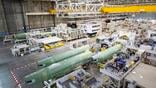
The negotiations continue as Pratt ramps up production of new engines and deliveries of spares and refurbished GTFs, to simultaneously feed the Airbus final assembly line (FAL), maintenance, repair and overhaul (MRO) sites and airlines looking to reduce the number of A320neos stranded as aircraft-on-ground (AOG).
The talks also come as Pratt prepares to ship the initial shipset of the improved GTF Advantage PW1100G versions to Airbus and begin deliveries of the related hot section-plus upgrade kits to MRO sites.
“Every year we work with Airbus on a purchase order, and we're going through that process right now,” Deurloo says. “Do they want more? Yes, they always want more—it's obvious. Otherwise, they wouldn't be saying anything in the press. We're trying to, with their help, balance the flying fleet along with the FAL.”
“We're just trying to find that right balance in the next two years with them. They're not easy conversations, but we recognize the history and how we've worked this in the past,” he adds. Solving the AOG issue, meanwhile, remains a key priority for Pratt. “It is job one for us to lift that fleet, and so we've been working very closely with the airframers to make sure we have that balance,” Deurloo says.
Although Deurloo says the number of A320neo AOGs is now reduced by around 20% compared to its peak of more than 700, the situation: “will continue on for a couple years. We know that's not going away at the end of 2026 but I think a lot depends on our execution this year and where we end up next year as well. We feel confident by the end of this decade, we're going to be in more of a normalized state,” he adds.