BAE Systems' Airborne Power Systems Team Advances Electric Flight

Cleared for takeoff: BAE Systems’ Airborne Power Systems team advances electric flight
Paid content by BAE Systems
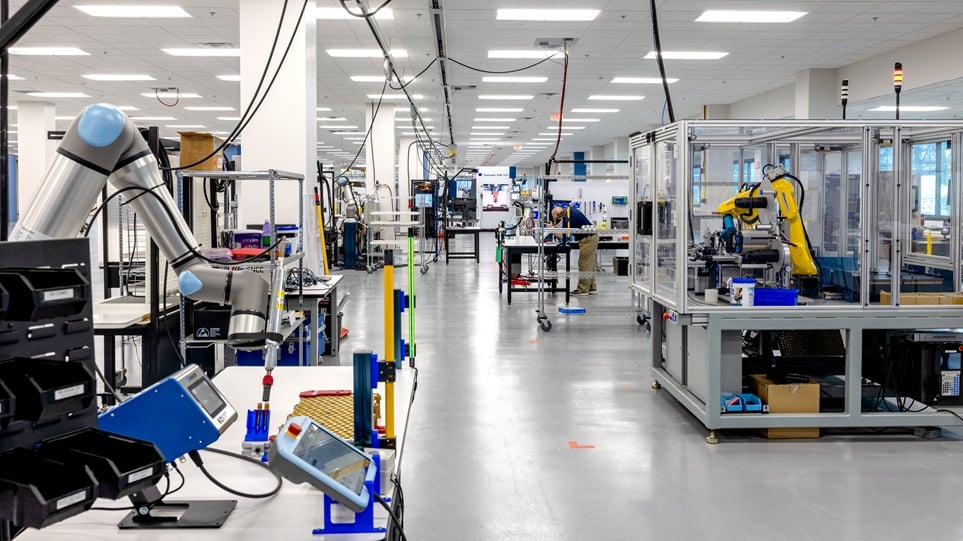
Tucked into BAE Systems’ growing campus in Endicott, New York, a newly opened 150,000 square foot facility is helping shape what comes next in aircraft electrification. Designed to support emerging electric aviation programs, the site brings the development and manufacturing of high-voltage energy storage systems under one roof, allowing innovation to move more seamlessly from concept to capability.
The Airborne Power Systems team at BAE Systems is working to deliver technologies to make aviation more affordable and sustainable. In support of the aerospace industry’s goal of net zero carbon emissions by 2050, BAE Systems is bringing together decades of demonstrated cross domain expertise in integrating flight controls and propulsion solutions to electrify the next generation of aircraft.
For more than 25 years, the company has been powering hybrid-electric ground vehicles and has an installed base of almost 20,000 systems. BAE Systems also has five decades of experience in developing and certifying fly-by-wire flight controls for both commercial and military aircraft. The company is continuously innovating and evolving solutions that address the requirements of a rigorous certification process.
BAE Systems’ vision for the future of aircraft focuses on three critical technologies:
- Energy Storage Systems: The company was the first to design and manufacture lithium-ion-based energy storage systems for the transit market and have installed over 19,000 systems worldwide. Investments in battery modeling, advanced materials and packaging concepts, and smart battery management systems allow the company to optimize solutions for the aerospace market.
- Integrated Control Systems: BAE Systems has more than 40 years of experience developing, certifying, and supporting flight controls for commercial and military aircraft. They miniaturize hardware, integrating multi-core processors, and streamlining software development to create the foundation for next-generation electrified aircraft. These innovations reduce energy consumption, lower the cost of operations, and ensure availability of aircraft.
- Power Conversion: BAE Systems has extensive experience in the packaging, cooling, and control of advanced wide band gap-based power switching. The company has developed solutions that meet the extreme requirements of aerospace, delivering clean, safe power across the aircraft to smooth the adoption of electric architecture.
Unlike traditional aircraft where flight control, energy distribution and engine control are thinly connected in a federated system, the convergence of energy storage, power electronics and electric propulsion requires highly integrated management and control solutions.
BAE Systems responded with changes to how they design flight and propulsion controls. Hybrid-electric or all-electric systems allow for innovative designs like multi-rotor solutions and unique ways to manage airflow, giving manufacturers fresh ideas for aircraft. Traditional air transport designs will be complemented by new electric vertical takeoff and landing (eVTOL) aircraft, blended wing bodies, and thin wings, which will improve efficiency and open new markets for air travel both locally and abroad.
With our industry partners, regulatory agencies, and dedicated engineers, BAE Systems is ensuring that the future of air travel is cheaper, greener, and more efficient.
Related Content