Robinson Reinvented
Robinson Helicopter unveiled the eight-passenger R88 in March, its largest helicopter to date and the company’s first all-new model since 2007. First flight is planned for 2026. Retaining Robinson’s trademark two-blade rotor, the R88 is powered by a single 1,000-shp Safran Arriel 2W turboshaft.
Piasecki’s Kargo Play
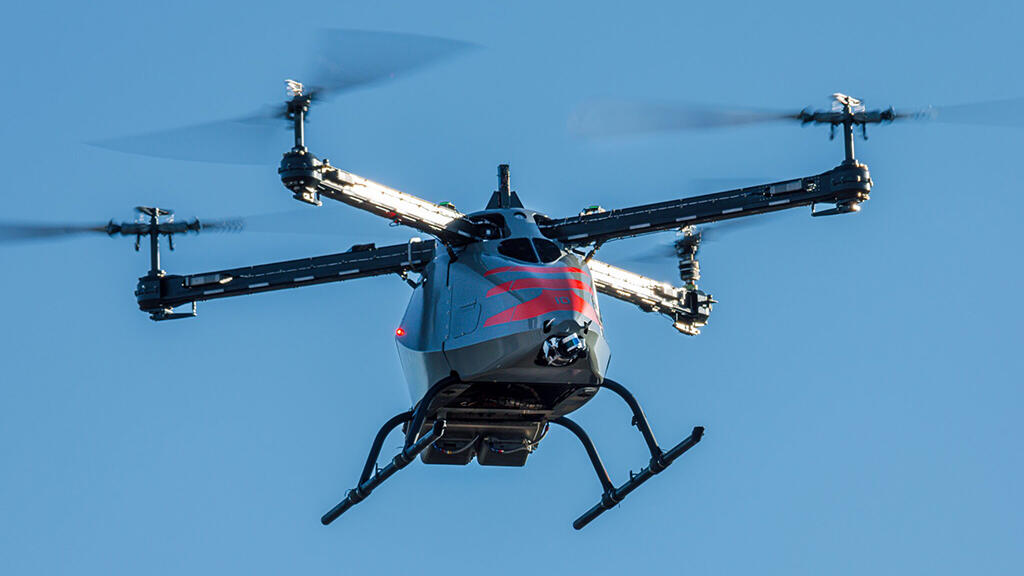
Piasecki Aircraft acquired Kaman’s Kargo UAV uncrewed medium-lift cargo rotorcraft program in April and later announced an improved Kargo II is planned to fly 2026. The Kargo II retains the compact multicopter airframe while providing an increased, 1,000-lb. payload capacity with greater range.
Uncrewing Rotorcraft
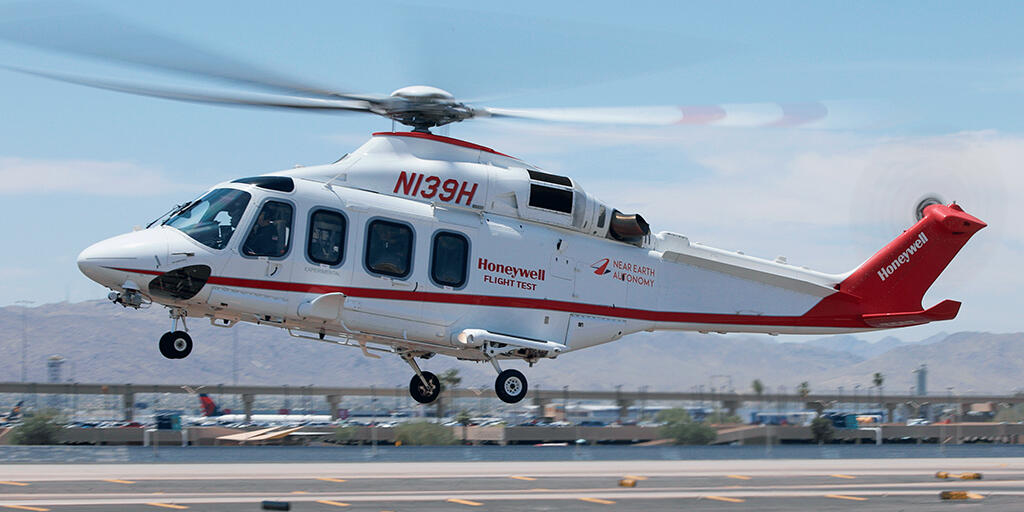
It was the year for autonomy in helicopters. In May, Honeywell completed an autonomous flight of the Leonardo AW139 under a demonstration led by Near Earth Autonomy for the U.S. Marine Corps’ Aerial Logistics Connector program. Airbus and Shield AI flew an autonomous UH-72 in August under the same program. Near Earth later received a U.S. Army contract to retrofit a Sikorsky UH-60L to autonomous cargo capability, and Sikorsky unveiled a modified uncrewed cargo UH-60L called the UHawk.
Turkey’s T925 Redesign
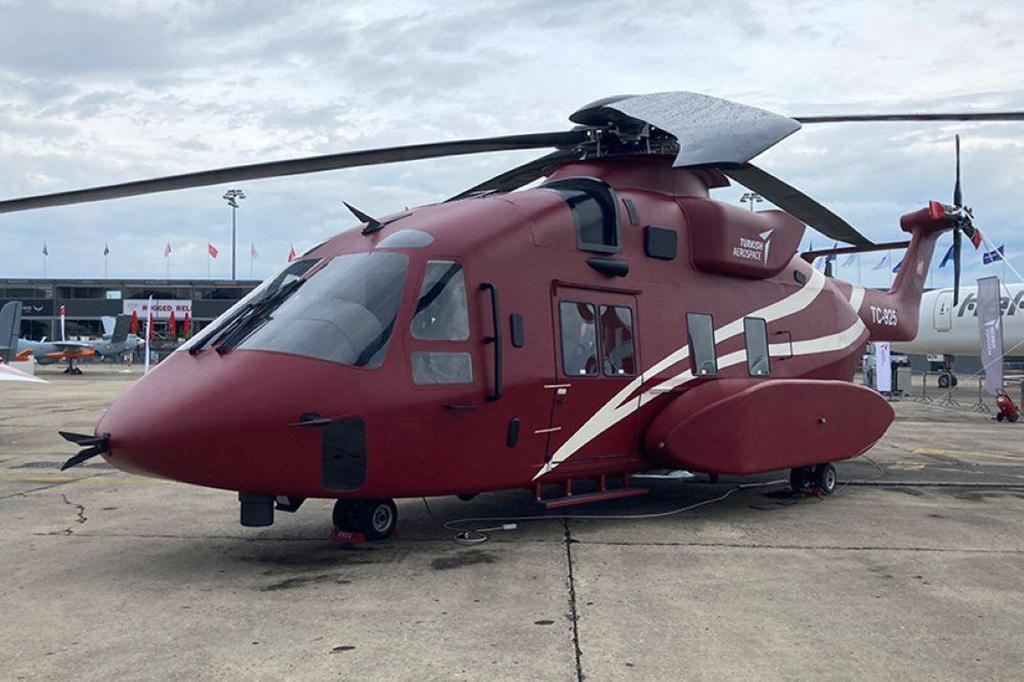
Turkish Aerospace unveiled a redesign of its planned 12-metric-ton T925 utility helicopter in July, abandoning the rear loading ramp and adopting a Sikorsky Black Hawk-like fuselage. The T925 will feature dynamic systems originally developed for the shelved T929 ATAK 2 heavy attack helicopter. First flight of the prototype is planned for 2026.
MagniX and Robinson Electrify the R66
Electric propulsion developer MagniX and Robinson Helicopter in July announced plans to demonstrate an electric-powered R66 light helicopter, with first flight planned for 2026. The R66’s Rolls-Royce RR300 turboshaft will be replaced with MagniX’s HeliStorm electric propulsion unit, producing 330 kW of peak power at 6,000-7,000 rpm, as well as its Samson battery system.
China’s High-Speed Surprise
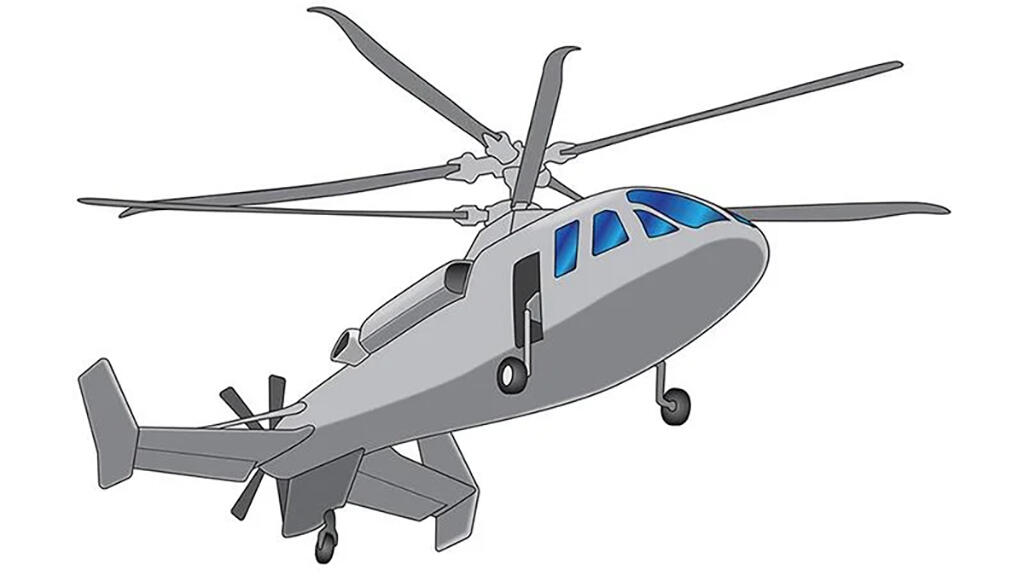
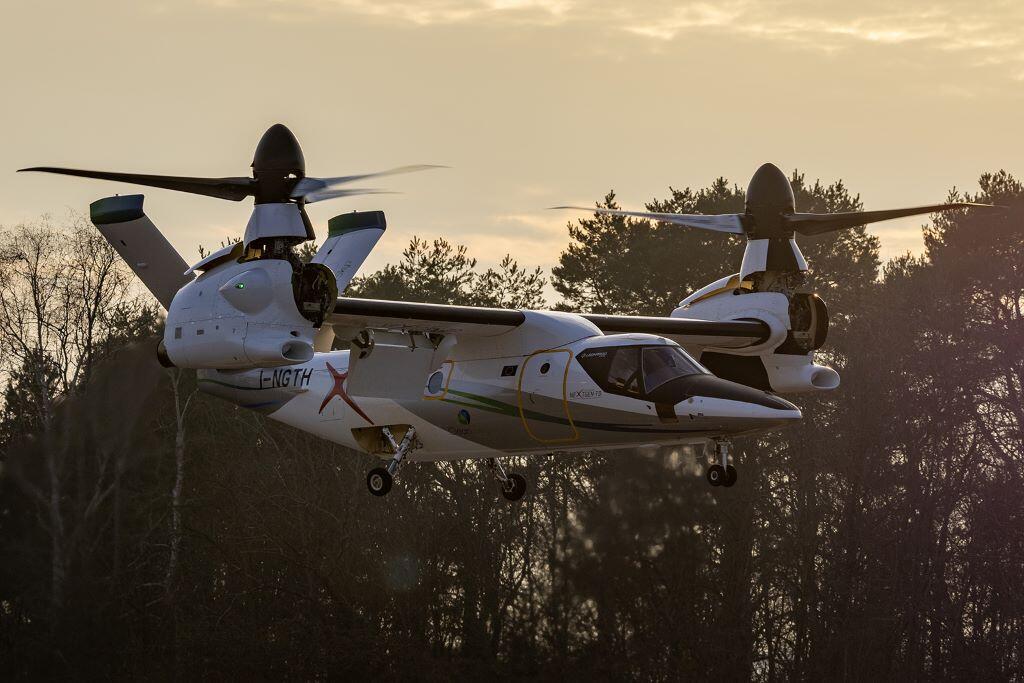
China’s Avic flew not one but two high-speed rotorcraft demonstrators in August, a tiltrotor and a rigid coaxial-rotor compound helicopter. Changhe Aircraft Industries’ helicopter closely resembles Sikorsky’s S-97 Raider demonstrator while Harbin Aircraft Industry Group’s tiltrotor shares features with Leonardo’s AW609 and Next-Generation Civil Tiltrotor demonstrator developed under Europe’s Clean Aviation.
China Reequips Pakistan
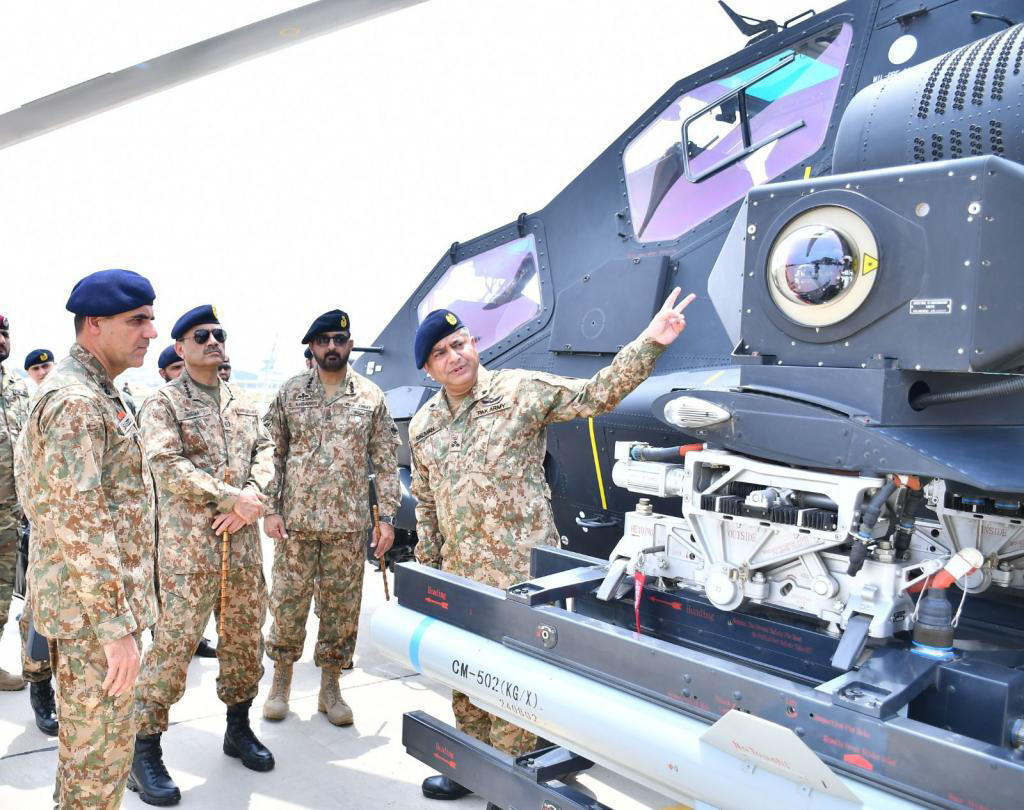
Pakistan formally inducted the Chinese-built Changhe Z-10ME attack helicopter in August, marking the first known export of the type. The helicopters are expected to replace a fleet of about 55 aging Bell AH-1F Cobras operated by the Pakistan Army Aviation Corps. The acquisition follows the collapse of a 2018 order for 30 Turkish Aerospace T129 ATAK helicopters.
Collaborative Rotorcraft
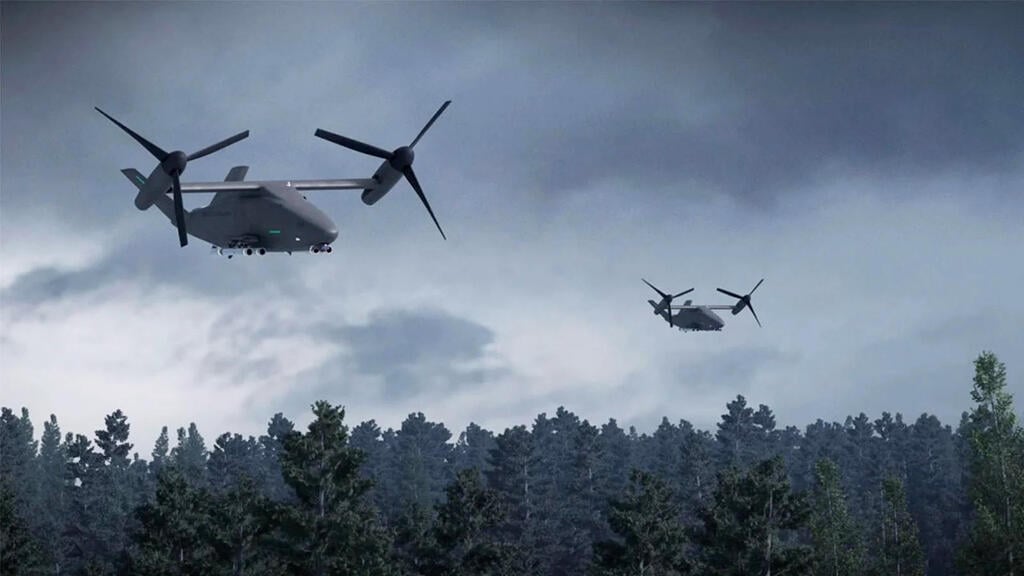
Boeing in October unveiled the Collaborative Transformational Rotorcraft (CxR) concept for a high-speed vertical-takeoff-and-landing uncrewed tiltrotor for the U.S. Army, focused initially on strike and reconnaissance. Designed to carry a sensor and weapon payload of 1,000-2,000 lb., the 5,000-7,000-lb. CxR is capable of 200-250-kt. with a single turboshaft engine powering two tilting proprotors.
Sikorsky’s Tailsitting Nomad
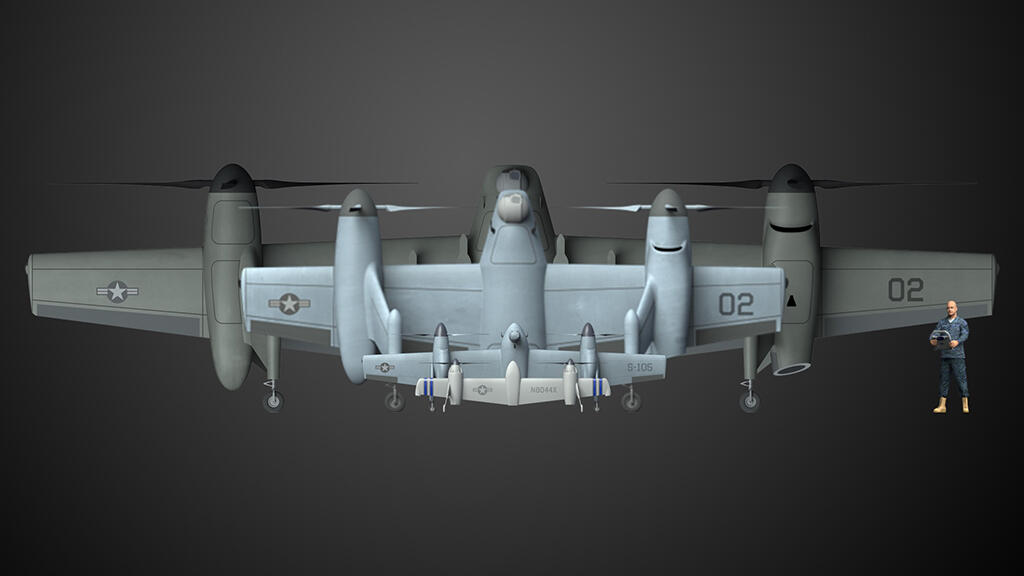
Sikorsky renamed its Rotor Blown Wing family of vertical-takeoff-and-landing uncrewed aircraft the Nomad in October, focusing on Group 3-size aircraft of up to 1,320 lb. as well as larger Group 4 applications. Sikorsky has flown a 115-lb., 10.5-ft.-span all-electric subscale prototype, now named the Nomad 50, and is testing a hybrid-electric 330-lb., 18-ft.-span Nomad 100 under DARPA’s Evade program.
Carrier-Based Autonomy
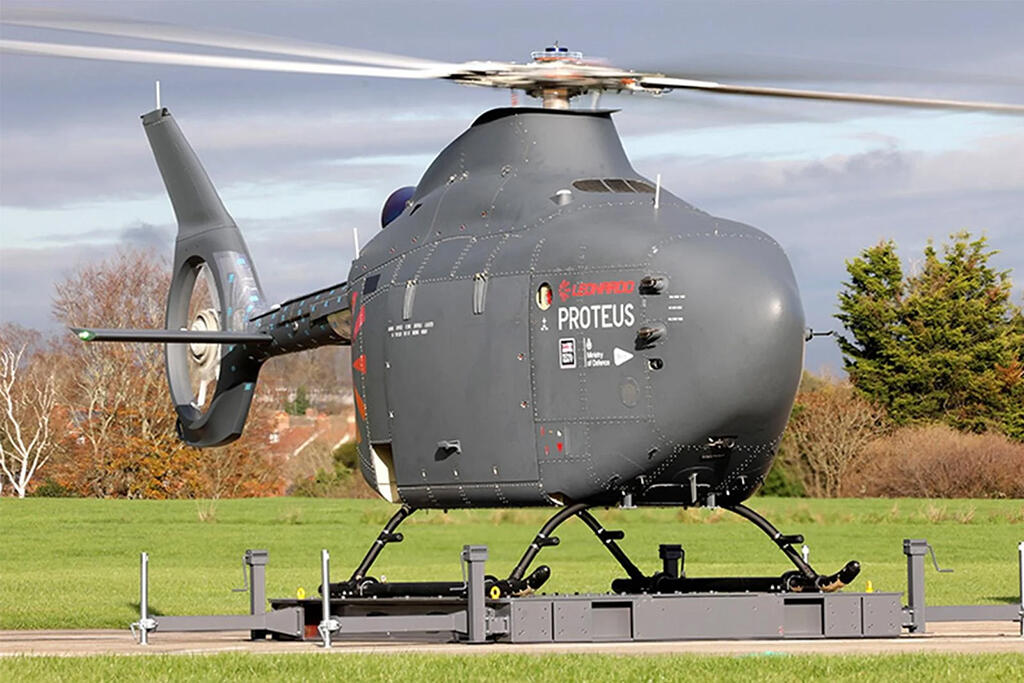
Leonardo Helicopters began ground runs of its 3,000-kg (6,600-lb.) Proteus uncrewed rotorcraft demonstrator in December ahead of a first flight expected by year-end. Using rotor systems from Leonardo’s AW09 light helicopter, the 6,600-lb. Proteus has been developed to help the UK Royal Navy determine whether this type of platform can equip the UK’s Queen Elizabeth-class aircraft carriers.
A busy year in rotorcraft saw a rare new helicopter from Robinson Helicopter, plans for powertrain electrification, significant technology advances in China and substantial progress in developing and demonstrating autonomous helicopters for missions such as contested logistics.