https://aviationweek.com/themes/custom/particle/dist/app-drupal/assets/awn-logo.svg
Skip to main content
  • Market Sector
    • Aerospace
    • Air Transport
    • MRO
    • Defense
    • Space
    • Business Aviation
  • Markets
    • Aerospace
      • Aircraft & Propulsion
      • Connected Aerospace
      • Emerging Technologies
      • Manufacturing & Supply Chain
      • Advanced Air Mobility
      • Sustainability
    • Air Transport
      • Aircraft & Propulsion
      • Interiors & Connectivity
      • Airports & Networks
      • Airlines & Lessors
      • Safety, Ops & Regulation
      • Maintenance & Training
      • Sustainability
    • MRO
      • Aircraft & Propulsion
      • Interiors & Connectivity
      • Emerging Technologies
      • Supply Chain
      • Safety, Ops & Regulation
      • Workforce & Training
      • Sustainability
    • Defense
      • Aircraft & Propulsion
      • Sensors & Electronic Warfare
      • Missile Defense & Weapons
      • Supply Chain
      • Budget, Policy & Operations
      • Sustainability
    • Space
      • Launch Vehicles & Propulsion
      • Commercial Space
      • Space Exploration
      • Satellites
      • Budget, Policy & Regulation
      • Operations & Safety
    • Business Aviation
      • Aircraft & Propulsion
      • Interiors & Connectivity
      • Airports, FBOs & Suppliers
      • Flight Deck
      • Safety, Ops & Regulation
      • Maintenance & Training
      • Sustainability
    • In Focus
      • Middle East & Africa
  • Marketplace
  • Services
    • Services
      • Advertising
      • Marketing Services
      • Fleet, Data & APIs
      • Research & Consulting
      • Network and Route Planning
      • Marketplace
  • Store
    • Market Sector

      • Aerospace
      • Air Transport
      • MRO
      • Defense
      • Space
      • Business Aviation
    • Type View All Products
      • Intelligence Bundles
        • AWIN - Premium
        • AWIN - Aerospace and Defense
        • AWIN - Business Aviation
        • AWIN - Commercial Aviation
      • Market Briefings
        • Advanced Air Mobility Report
        • Aerospace Daily & Defense Report
        • Aviation Daily
        • SpeedNews
        • The Weekly of Business Aviation
      • Directories
        • Air Charter Guide
        • Aviation Week Marketplace
        • Route Exchange
        • The Engine Yearbook
      • Data Services
        • AC-U-KWIK
        • Aircraft Bluebook
        • Airportdata.com
        • ASM Global Route Development
        • CAPA – Centre for Aviation
        • Catchment Analyzer
        • Defense Market Analyzer
        • Fleet Discovery Civil
        • Fleet Discovery Military
        • Fleet & MRO Forecast
        • MRO Prospector
        • Tracked Aircraft Utilization
      • Publications
        • African Aerospace
        • Air Transport World
        • Arabian Aerospace
        • Aviation Week & Space Technology
        • Aviation Week & Space Technology - Inside MRO
        • Business & Commercial Aviation
        • CAPA - Airline Leader
        • Routes magazine
        • Show Business
  • Events
    • Recent webinars
    • Events View All Events
      • MRO
        • MRO Americas
        • MRO Asia
        • MRO Australasia
        • MRO Baltics & Eastern Europe Region
        • MRO Europe
        • MRO Greater China
        • MRO Latin America
        • MRO Middle East
        • MRO Southeast Asia
        • Military Aviation Logistics and Maintenance Symposium (MALMS)
      • Commercial Aviation/A&D
        • Aero-Engines Americas
        • Aero-Engines Europe
        • Aero-Engines Asia-Pacific
        • Engine Leasing Trading & Finance Europe
        • Engine Leasing, Trading & Finance Americas
      • Air Transport
        • Routes Americas
        • Routes Europe
        • Routes World
        • CAPA Airline Leader Summit - Airlines in Transition
        • CAPA Airline Leader Summit - Americas
        • CAPA Airline Leader Summit - Latin America & Caribbean
        • CAPA Airline Leader Summit - Australia Pacific
        • CAPA Airline Leader Summit - Asia & Sustainability Awards
        • CAPA Airline Leader Summit - World & Awards for Excellence
        • GAD Americas
        • GAD World
      • Aerospace and Defense
        • Defense Conference
      • Awards
        • Aviation Week 20 Twenties
        • Aviation Week Laureate Awards
        • ATW Airline Awards
        • Program Excellence Awards and Banquet
        • CAPA Asia Aviation Summit & Awards for Excellence
        • Space Tech Challenge Awards
  • About
    • About Aviation Week Network
      • Our Story
      • Content and Data Team
      • Aviation Week & Space Technology 100-Year
    • Contact Us
      • Subscriber Services
      • Advertising, Marketing Services & List Rentals
      • Content Sales
      • Events
      • PR & Communications
      • Content Licensing and Reprints
      • FAQ
  • Log In
  • Register
  • My Account
    • Profile
    • Sign Out
  • AWIN Access
  • My cart
    Back to
  1. Aerospace

Share

Analysis: Lockheed, Sikorsky Technology Competitors In Key Areas

July 21, 2015
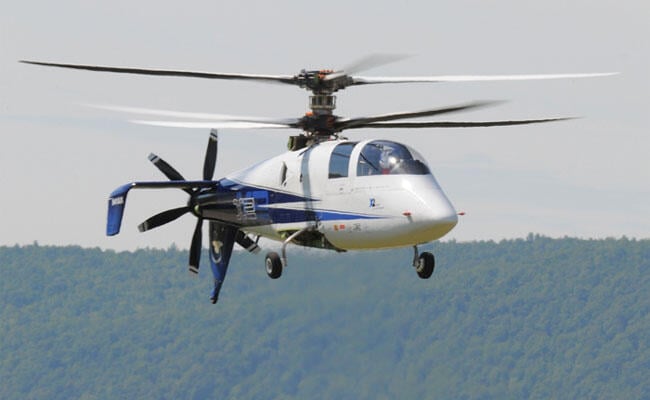
The helicopter manufacturer’s technology work is centered on Sikorsky Innovations, an advanced research and rapid prototyping organization established in 2010 and inspired in part by Lockheed’s Skunk Works. Innovations grew out of Sikorsky’s X2 Technology Demonstrator project, a $50-million company-funded effort to fly an experimental high-speed helicopter (pictured).

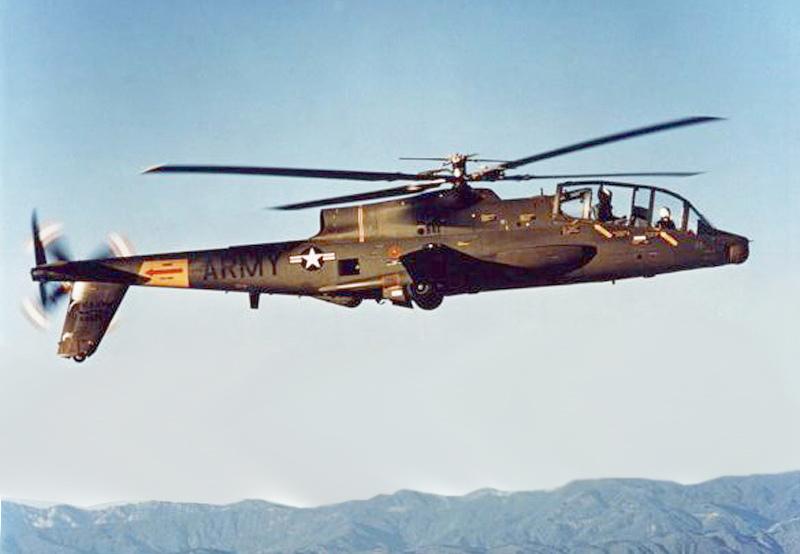
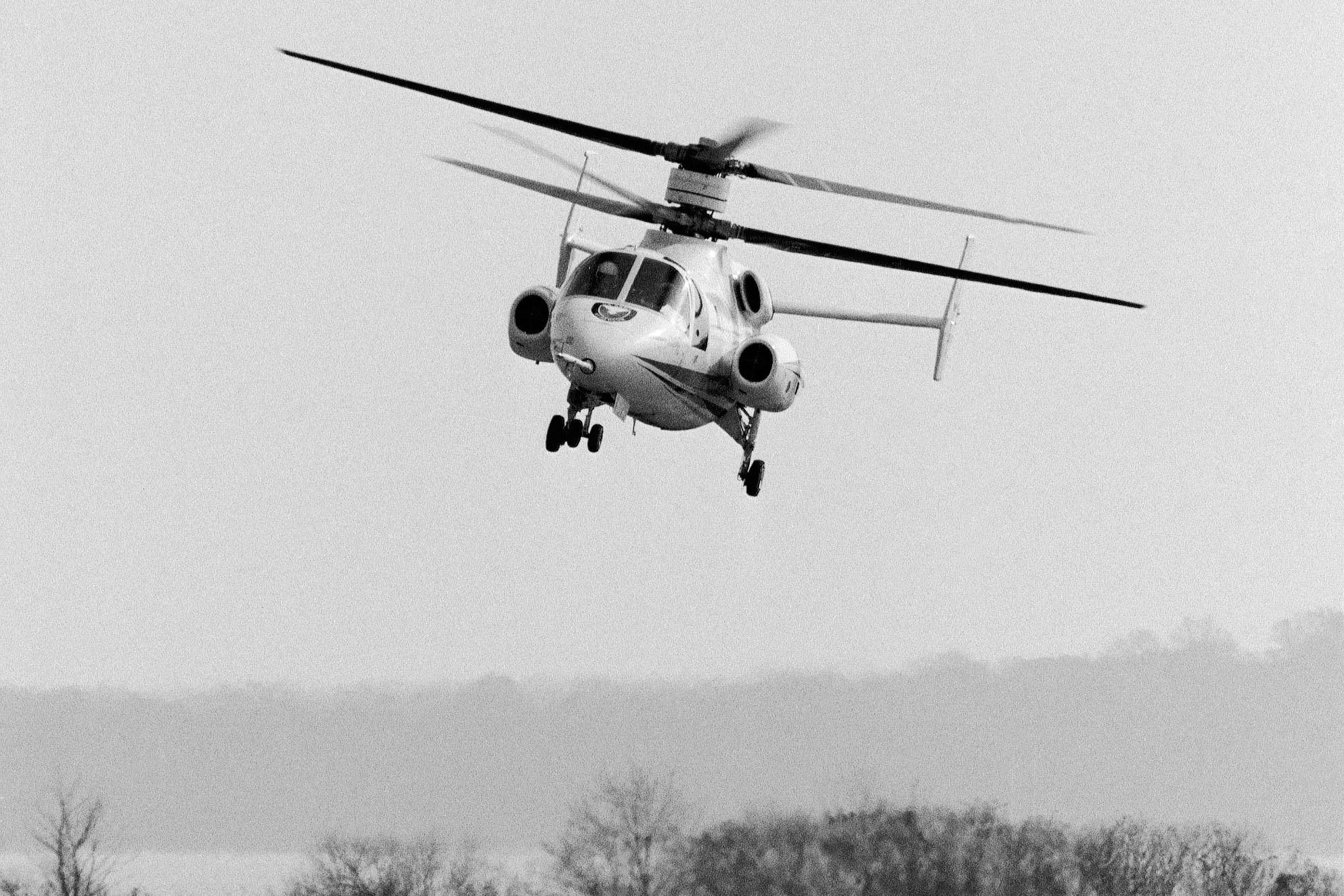
Where Lockheed’s past high-speed helicopter was the 212-kt., rigid-rotor AH-56 Cheyenne, developed for the U.S. Army but cancelled in 1972, Sikorsky’s was the XH-59A Advancing Blade Concept (pictured). This coaxial-rotor, twin-turbojet rotorcraft reached 263 kt. in the mid-1970s, but was abandoned until Sikorsky in 2006 brought new technologies to the concept to create the X2.

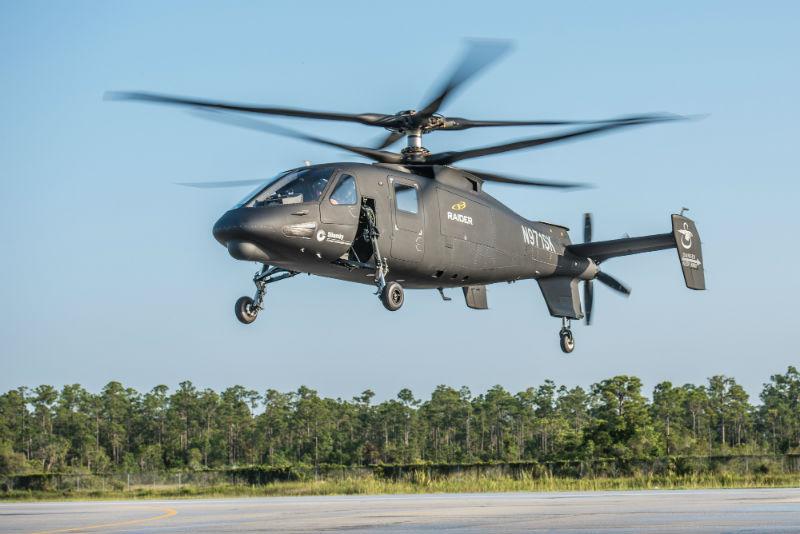
The rigid coaxial-rotor, pusher-propeller X2 reached 250 kt. in level flight in September 2010. In October that year Sikorsky launched an industry-funded, $200 million program to build two prototypes of the S-97 Raider high-speed light tactical helicopter (pictured). Its target was the Army’s Armed Aerial Scout (AAS) requirement but, by the time the first Raider flew in May, AAS was on the shelf, a victim of budget cuts.

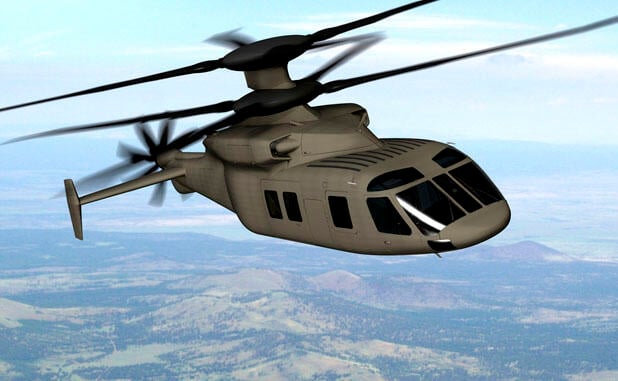
Sikorsky continues to promote the Raider to the Army as an armed scout, but in the absence of a requirement the high-speed helicopters will provide risk reduction for the Sikorsky/Boeing SB-1 Defiant Joint Multi Role (JMR) technology demonstrator (pictured). A larger instantiation of the X2 configuration, the SB-1 is scheduled to fly in 2017. JMR is a precursor to the Army’s planned Future Vertical Lift (FVL) Medium program to replace first the Sikorsky UH-60 Black Hawk and later the Boeing AH-64 Apache.

Credit: U.S. Navy

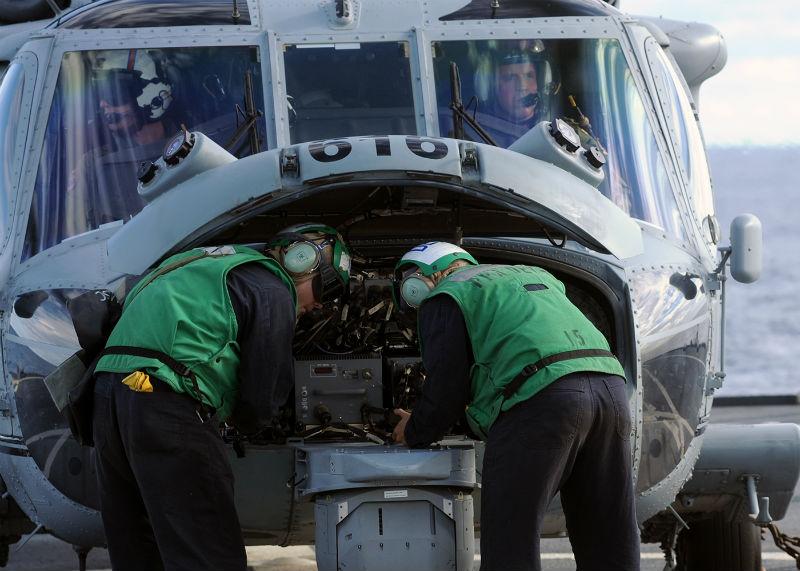
Lockheed Martin has not been idle since the Cheyenne was canceled, but its role within the helicopter industry is now as a system integrator and mission-system supplier. In addition to being prime contractor on the U.S. Navy’s Sikorsky MH-60R/S Seahawk (pictured), Lockheed was on the EADS (now Airbus) team offering the AAS-72X for AAS and is teamed with Bell Helicopter on the competing V-280 Valor tiltrotor for the JMR technology demonstration.

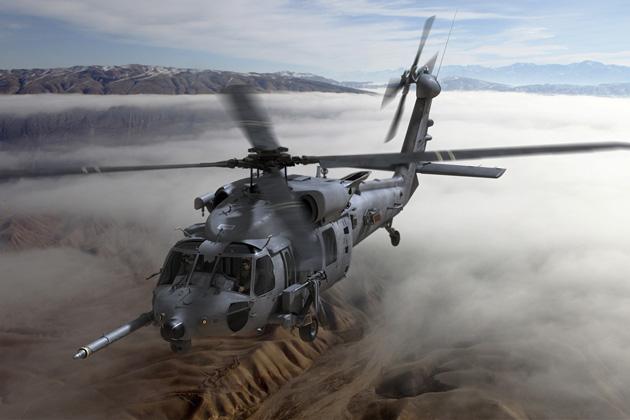
Building on their Seahawk association, Sikorsky selected Lockheed as mission-system integrator for both the Navy VH-92A presidential helicopter and Air Force HH-60W Combat Rescue Helicopter (pictured) programs – a consolation for Lockheed after its AgustaWestland AW101-based VH-71A Kestrel presidential helicopter program was cancelled in 2013 because of cost overruns.

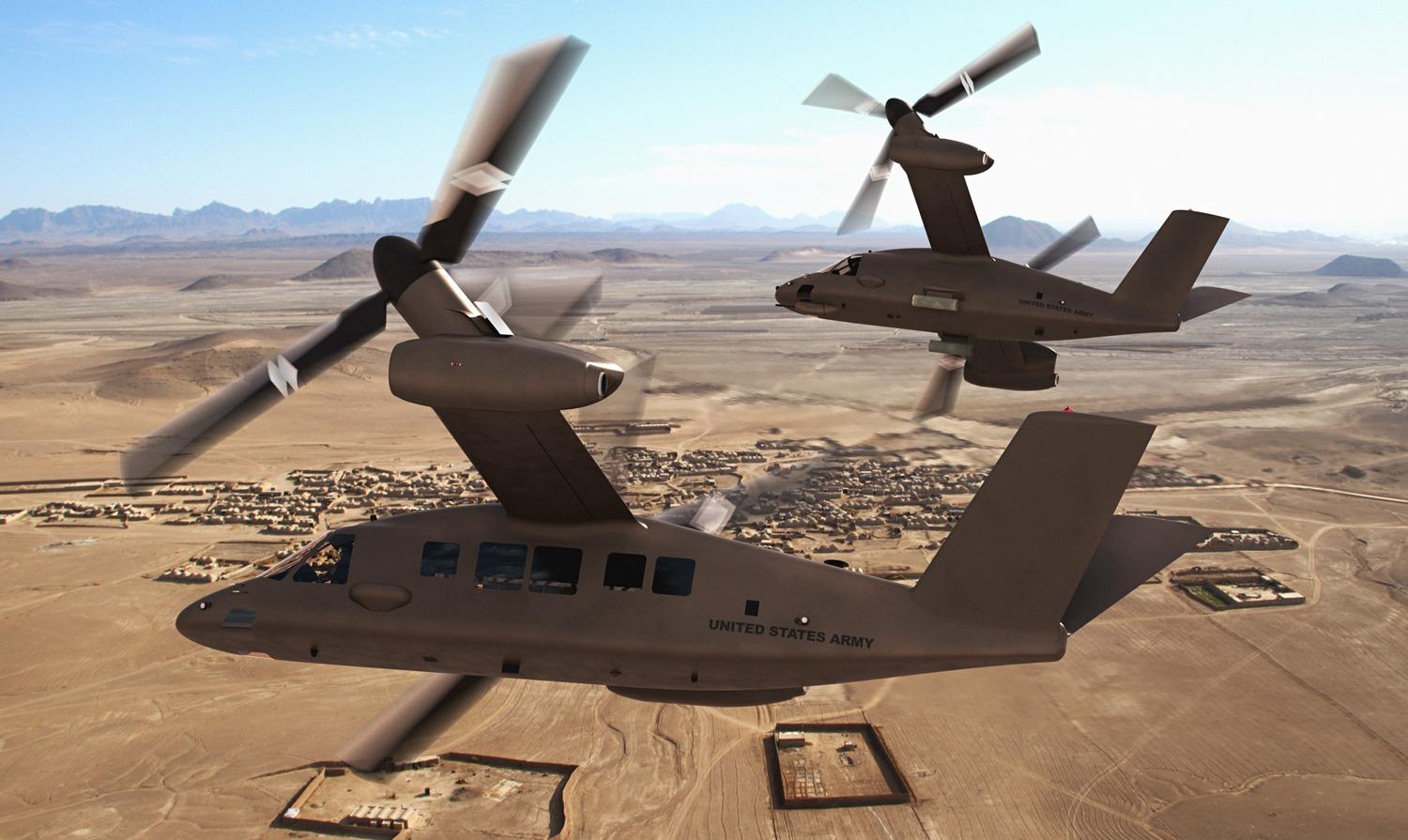
Lockheed’s role for Bell's V-280 Valor (pictured) does not conflict directly with owning Sikorsky, as Boeing has the avionics lead on the Defiant team, but internal firewalls will be required. Neither team has yet made final decisions on the FVL mission system, definition of which is deliberately lagging the platform by several years to allow technology to evolve. But, longer term, Lockheed may face a choice on where to invest its R&D resources – platform or mission system.

Credit: William Pretrina via Wikipedia

And, as was the case when the Cheyenne was cancelled to be replaced by the more conventional, 158-kt. Apache, none of the companies involved in FVL know whether the Army will hold to its desire for higher-speed – and likely higher-cost - rotorcraft to replace its UH-60 and AH-64 fleets. So the alliances struck for JMR may have to be revisited later this decade.

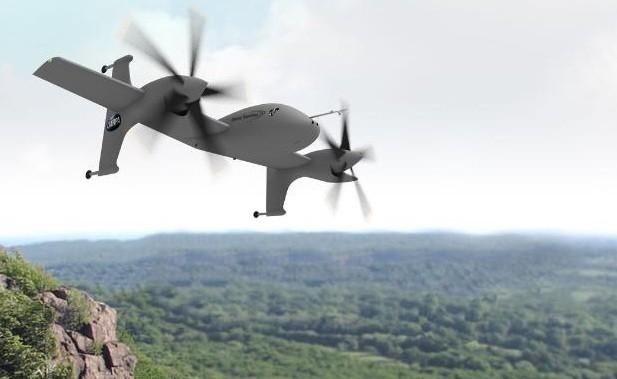
Lockheed’s Skunk Works, meanwhile, is a member of the Sikorsky team working on the Darpa VTOL X-Plane program to demonstrate a vertical-takeoff-and-landing aircraft that can hover as efficiently as a helicopter but reach a speed of 300-400 kt. Sikorsky’s design is the tailsitting Unmanned Rotor Blown Wing concept (pictured). Aurora Flight Sciences, Boeing and Karem Aircraft are also working on designs. Subscale prototypes are now in flight test.

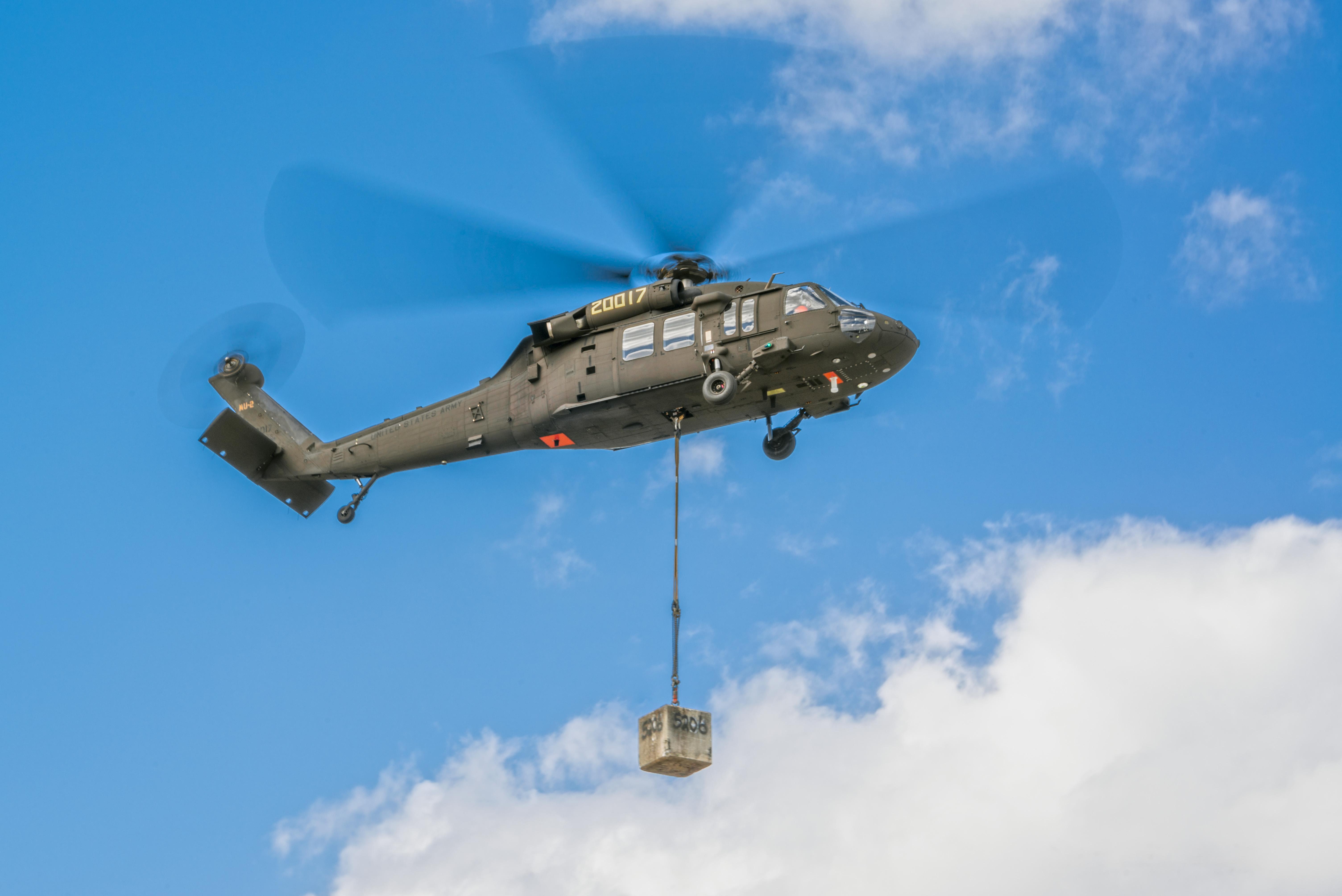
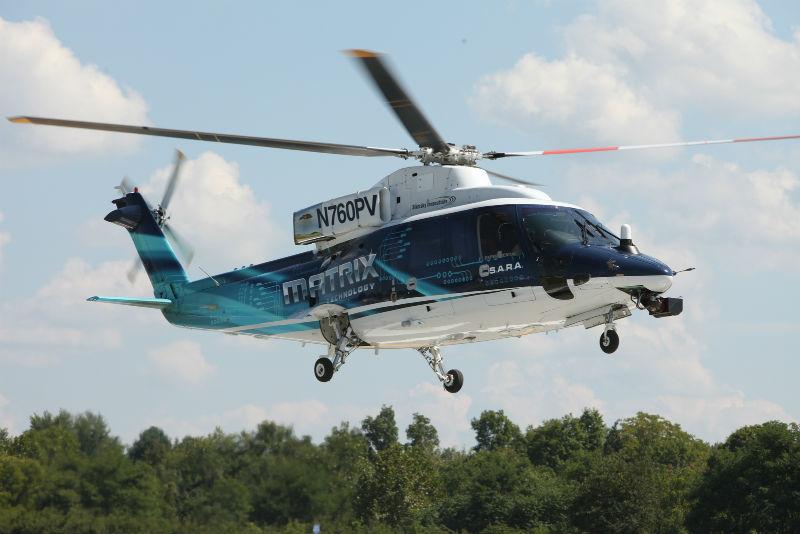
Of Sikorsky Innovations’ other technology pillars, the autonomy thrust brings it closest to competitive conflict with Lockheed. Using an autonomy system flown in an S-76 testbed under Sikorsky’s internally funded Matrix Technologies program, the company is modifying an ex-Army UH-60A to an optionally piloted vehicle. Sikorsky’s aim is to demonstrate to the Army that autonomous Black Hawks can carry cargo at a cost per mile that competes with truck convoys.

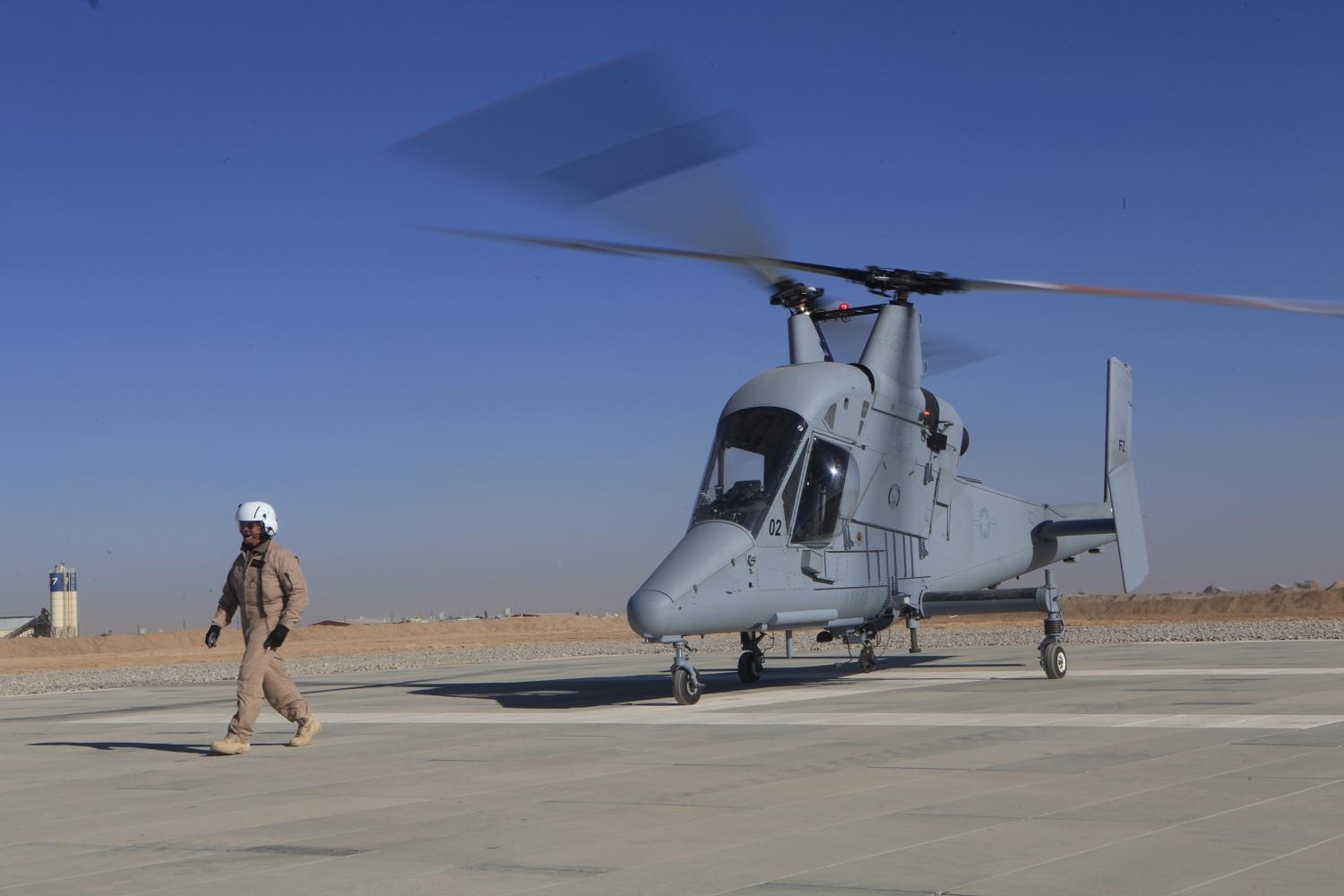
Cargo resupply is a mission Lockheed and Kaman have been pursuing with the unmanned K-Max external-lift helicopter. The K-Max proved its capability on U.S. Marine Corps resupply missions in Afghanistan, but an Army analysis for Congress in 2014 concluded it would be more expensive to acquire and operate new K-Maxes than use Black Hawks for the cargo mission – a conclusion Lockheed has disputed.

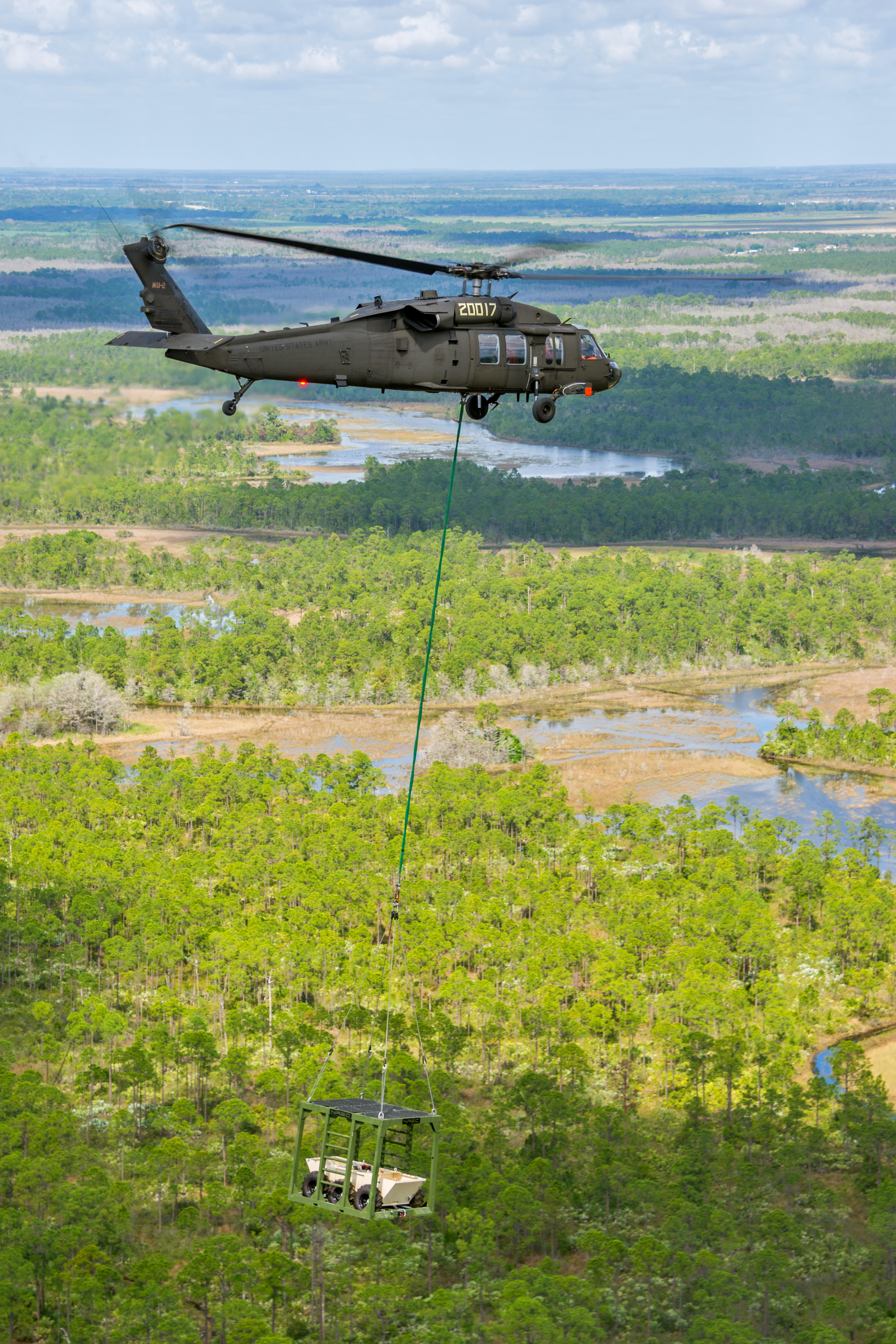
Independently, the companies are working on collaboration between unmanned helicopters and ground vehicles. Under Army contract, Lockheed in 2014 demonstrated the K-Max could lift the company’s Squad Mission Support System unmanned ground vehicle (UGV) into a simulated contaminated area to conduct an autonomous reconnaissance mission. Sikorsky is working with the Army to demonstrate a similar capability this year using an optionally-piloted unmanned UH-60MU to carry a Carnegie Mellon University UGV (pictured).

Sikorsky’s investment in the Matrix program and its S-76 autonomy testbed (pictured) has won the company a contract for Darpa’s Alias program to develop a robotic copilot that can be installed in the cockpit of existing aircraft to reduce crewing requirements, then removed and moved between aircraft types as required. Lockheed also received a contract, as did Aurora.

Credit: U.S. Navy

An unstated goal of Sikorsky’s technology research was to unseat Lockheed as system integrator on future rotorcraft programs. This includes the Navy’s next shipboard helicopter, dubbed MH-X and likely to be a marinized version of the Army’s FVL Medium utility replacement for the UH-60. Sikorsky’s acquisition will render that goal moot, but raises competitive concerns unless another equally capable rotorcraft system integrator steps forward.

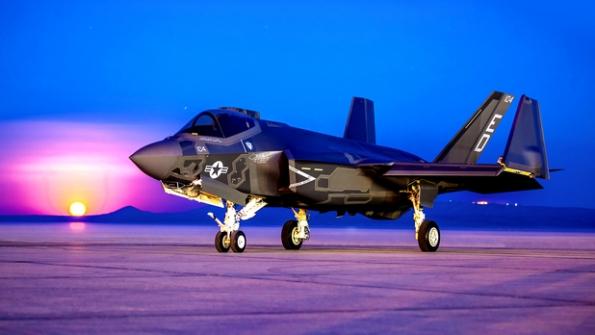
Even allowing for overlap, Sikorsky’s work on certifiable autonomy and more affordable fly-by-wire can only strengthen Lockheed’s position as a mission-system integrator not only for rotorcraft, but also unmanned aircraft and future transports. And  lessons learned by Lockheed on the F-35 Joint Strike Fighter could complement Sikorsky’s work to increase the self-monitoring and automation of platforms and introduce advanced manufacturing to reduce production costs in preparation for FVL.

Previous
Next

<p class="p1"><span class="s1">It is back to the future for Lockheed Martin with its planned purchase of helicopter maker Sikorsky. In the 1960s, Lockheed had a rotorcraft business and its focus was on developing a high-speed helicopter &ndash; a key technology that will come with the Sikorsky acquisition.</span></p>

<p class="p1"><span class="s1">Sikorsky additionally is working in to key areas &ndash; platform autonomy and intelligence &ndash; that could add to Lockheed Martin&rsquo;s technology portfolio, but could also overlap, forcing internal decisions on which of the competing approaches to pursue going forward.</span></p>

Aviation Week Intelligence Network
Monitor the market and connect your business to the people, programs and proprietary data driving the Aerospace & Defense market - only available with AWIN.

ASD_AWIN_thumbnail_270

Stay Connected.
Stay Informed
Grow Your Business.

Learn How

Follow us on

Markets

  • Aerospace
  • Air Transport
  • MRO
  • Defense
  • Space
  • Business Aviation

Products

  • AWIN Intelligence Bundles
  • Market Briefings
  • Publications
  • Data Services
  • Directories
  • Resources

Contact Us

  • Subscriber Services
  • Advertising, Marketing Services & List Rentals
  • Content Sales
  • Events
  • PR & Communications
  • Content Licensing and Reprints
  • FAQ

Other Resources

  • Aviation Week Marketplace
  • Knowledge Center
  • Newsletters
  • ShowNews
  • Advertising - Media Kits
  • Japanese 日本語
  • Korean 한국인
Copyright © 2025. All rights reserved. Informa Markets, a trading division of Informa PLC.
  • Accessibility
  • Privacy Policy
  • Cookie Policy
  • Terms of Use