New Glenn Matures
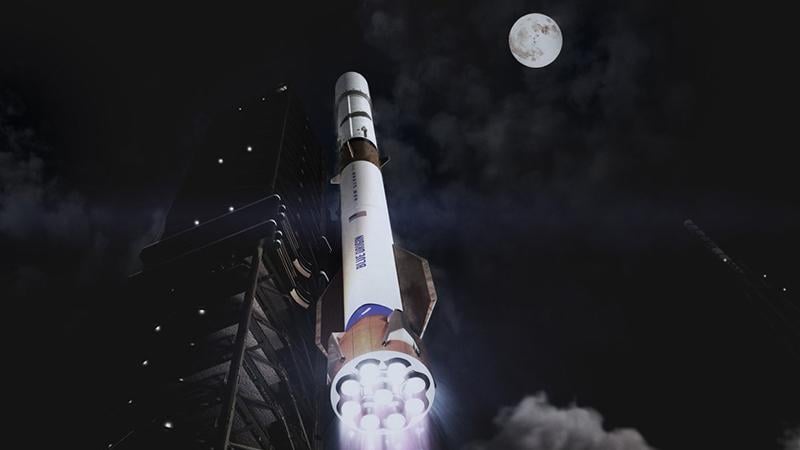
After Blue Origin’s New Glenn heavy launch vehicle made its first flight in January, the second launch in November sent two NASA science satellites on a roundabout journey to Mars. Blue Origin subsequently unveiled a series of upgrades to roll out beginning with Flight 3 in early 2026, as well as a future heavier-lift variant, the New Glenn 9x4.
Commercial Lunar Landing
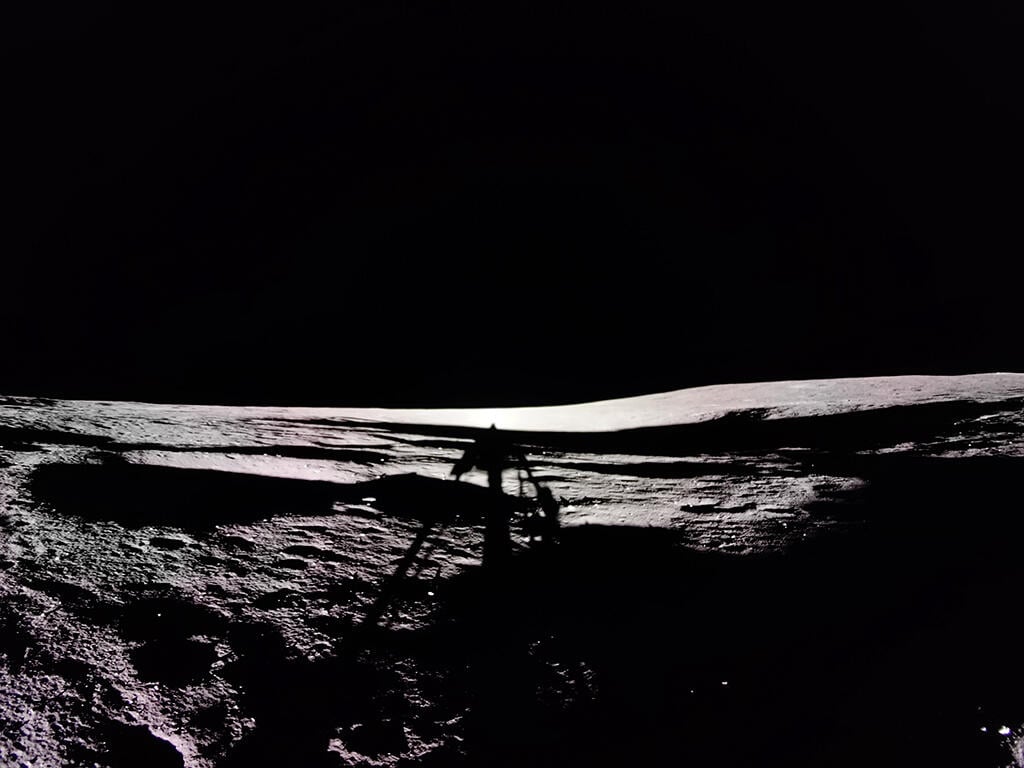
Firefly Aerospace became the first commercial company to achieve a fully successful soft landing on the Moon when its Blue Ghost Mission 1 lander touched down on March 2. The company’s first attempt at a lunar landing, the mission ended more than 14 days later having met all of its objectives.
Russia’s Angara Returns
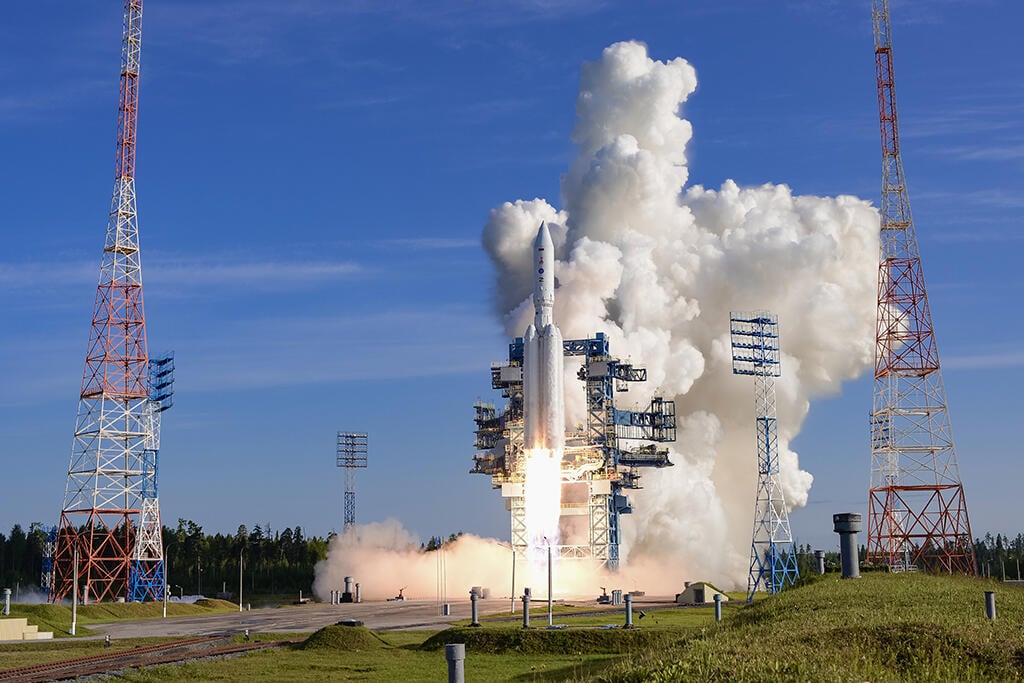
More than a decade after its first flight, Russia’s Angara A5 heavy rocket became operational with a June 19 launch of an undisclosed spacecraft from Plesetsk. The Angara A5 was developed to replace Soviet-era Proton heavy vehicles for military and commercial missions. The launch was the Angara A5’s fifth, but the first with a non-dummy primary payload.
Axiom’s Fourth Flight
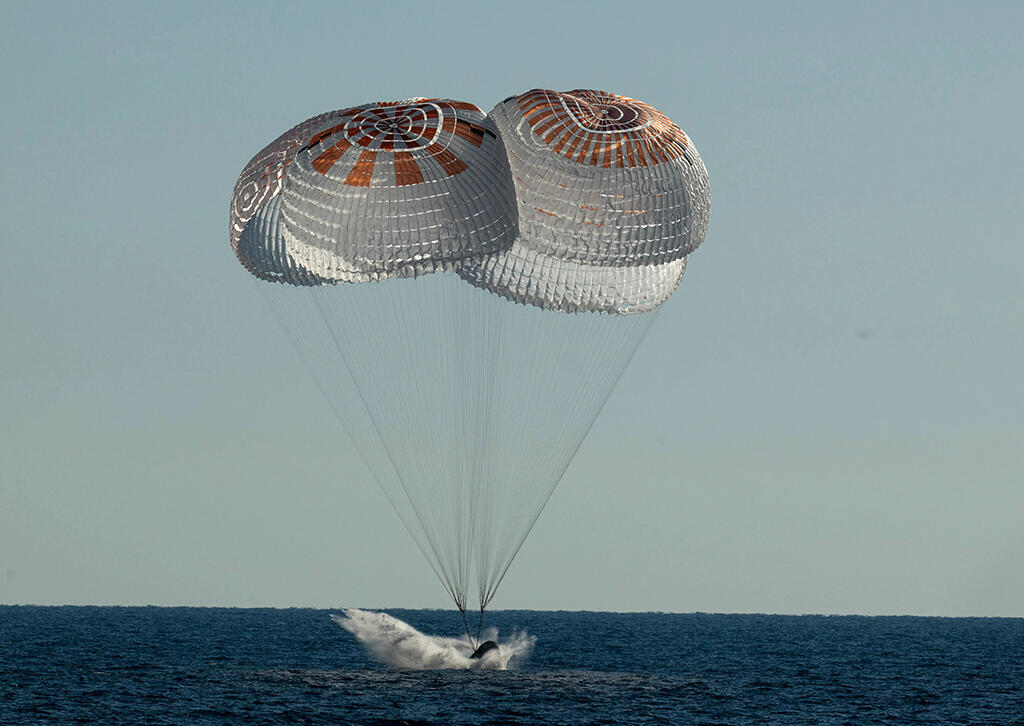
SpaceX Crew Dragon capsule Grace splashed down off the San Diego coast July 15, bringing an end to Ax-4, Axiom Space’s fourth private astronaut mission to the International Space Station. Grace, the fifth and final Dragon capsule, was launched on its inaugural spaceflight atop a SpaceX Falcon 9 on June 25.
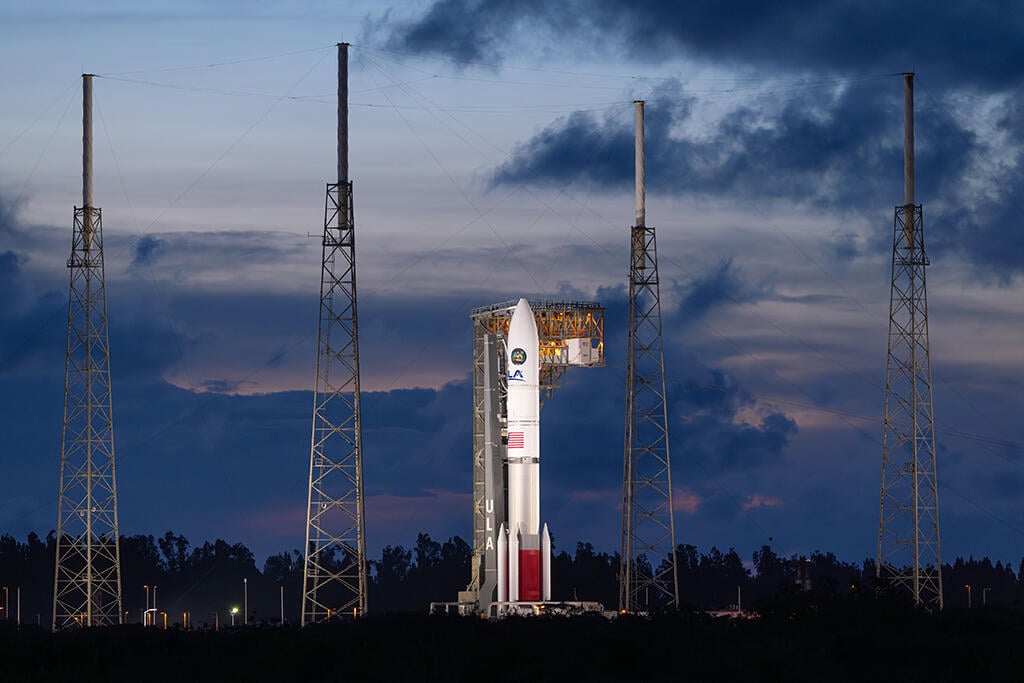
ULA’s Vulcan Graduates
United Launch Alliance (ULA) flew the Vulcan rocket on Aug. 12 on its first mission for the U.S Space Force, carrying the NTS-3 navigation technology satellite and an undisclosed payload. The U.S. Space Force certified the Vulcan to fly high-priority national security space missions following two flight demonstrations in 2024.
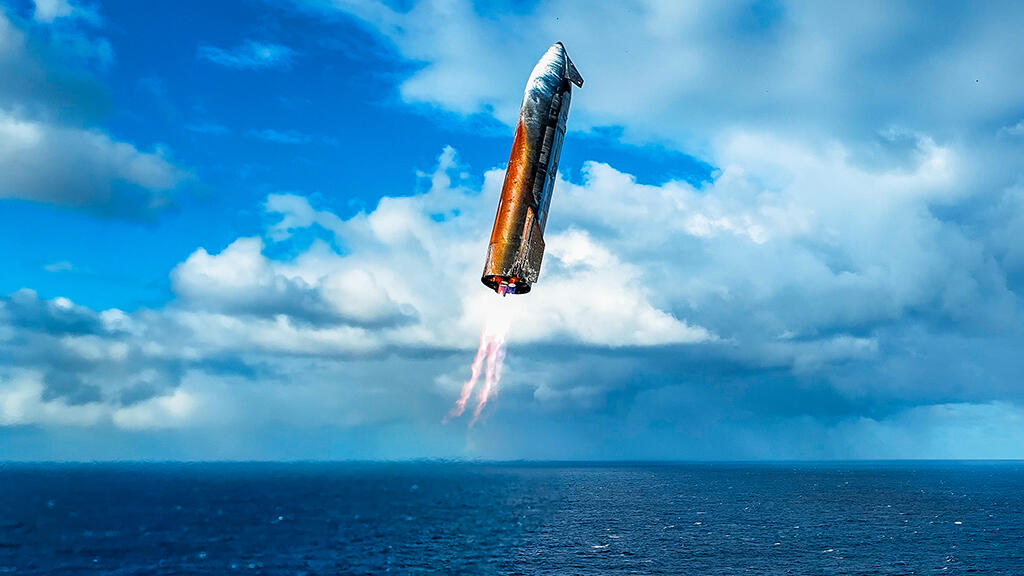
SpaceX Starship Success
SpaceX’s Starship-Super Heavy combination lifted off from Starbase, Texas, on Aug. 26 on its 10th flight, its first full-duration test since Flight 6 in November 2024. The Starship reached its planned suborbital trajectory, deployed eight Starlink simulators in its first successful payload demonstration and executed a soft splashdown in the Indian Ocean, while the Super Heavy booster returned to a planned splashdown.
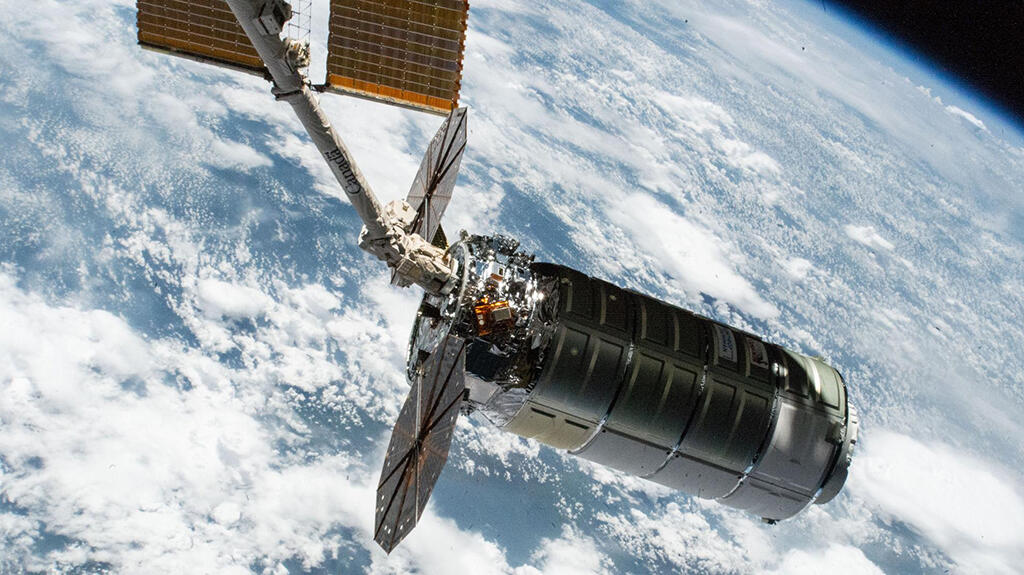
Northrop’s Cygnus XL Resupplies
Northrop Grumman’s first Cygnus XL Commercial Resupply Services capsule reached the International Space Station Sept. 18, a day later than initially planned when launched from Florida’s Cape Canaveral SFS aboard a SpaceX Falcon 9 rocket. The XL has 33% more cargo delivery capacity than previous Cygnus resupply capsules.
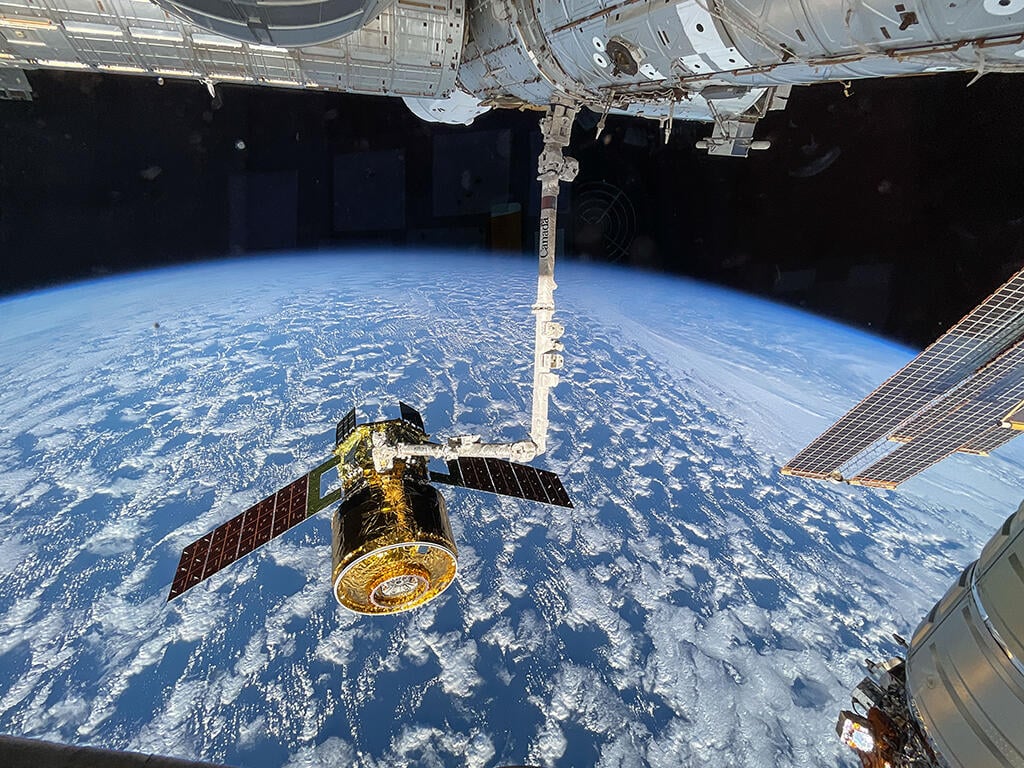
JAXA Flies Cargo to ISS
The Japan Aerospace Exploration Agency’s (JAXA) inaugural H-II Transfer Vehicle-X, HTV-X1, rendezvoused with the International Space Station (ISS) Oct. 29, delivering 4.4 tons of cargo. Launched by Mitsubishi Heavy Industries’ H3, the HTV X is a significant upgrade from its predecessor, the HTV that launched on nine JAXA resupply missions to the ISS in 2009-2020.
Orbiting Amazon Leo
Renamed Amazon Leo in November, the e-commerce giant’s Project Kuiper launched its first 27 of 3,236 planned production satellites in April aboard a ULA Atlas V rocket. Amazon had launched two prototype and 153 production satellites as of October and rudimentary service was slated to begin by year-end.
LandSpace’s Partial Success
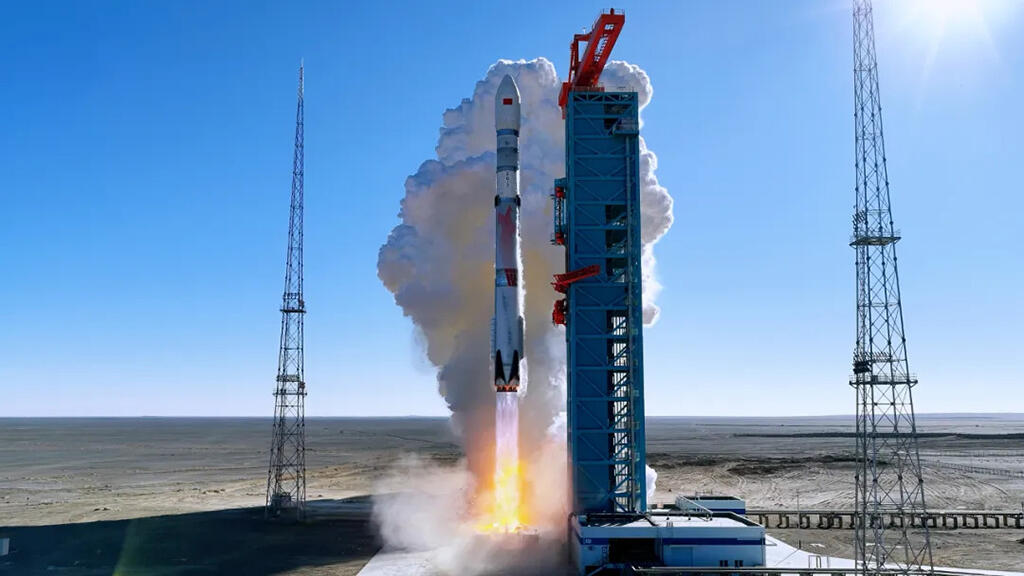
Private Chinese company LandSpace completed the inaugural launch of the ZhuQue-3 rocket on Dec. 3 but failed to recover the first stage, which was a key objective of the flight. Launched from the Jiuquan Satellite Launch Center, the second stage reached the predetermined orbit, but an engine problem led to the loss of the first stage during the attempted landing.
It was a busy year for the space industry, with almost 300 successful orbital launches worldwide by mid-December—more than half of them SpaceX Falcon 9s. Blue Origin’s New Glenn and United Launch Alliance’s Vulcan graduated to customer launches, and SpaceX Starship testing advanced.