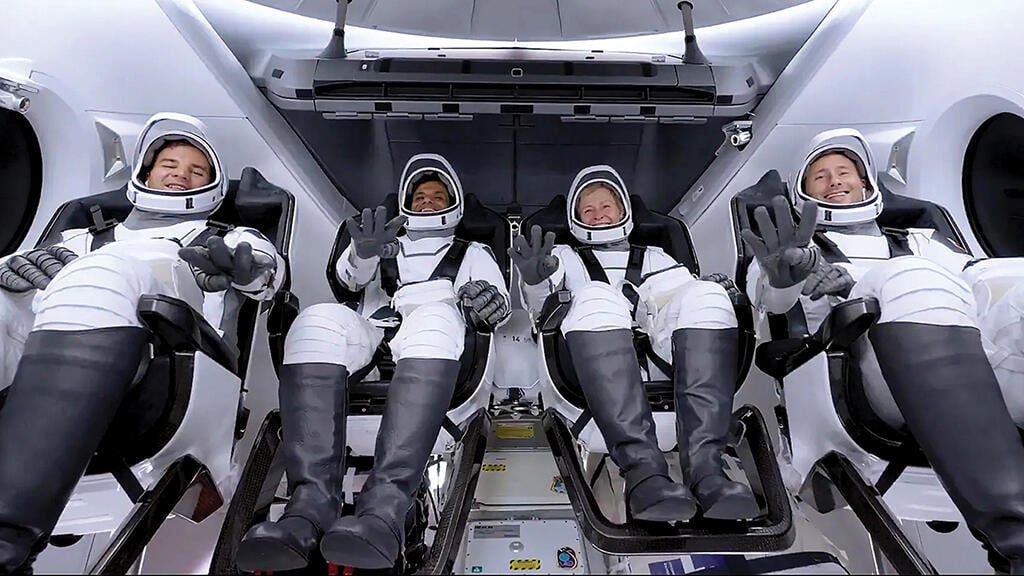
When NASA opened the International Space Station to U.S.-led private astronaut missions, Houston-based Axiom Space rose to the challenge. The company has conducted four charters so far, sending a dozen paying customers into orbit and giving several countries, including India and Saudi Arabia, early experience as they develop their own human spaceflight programs.
Rajeev Badyal, Amazon’s Project Kuiper
Credit: Amazon Leo
Rajeev Badyal, former leader of SpaceX’s Starlink project, is now head of Amazon’s rival low-Earth-orbit satellite constellation, Amazon Leo, formerly known as Project Kuiper. Leading development, manufacturing and deployment of two multi-thousand-satellite constellations within a decade is unprecedented. The competition between these constellations is poised to shape the space industry for years to come.
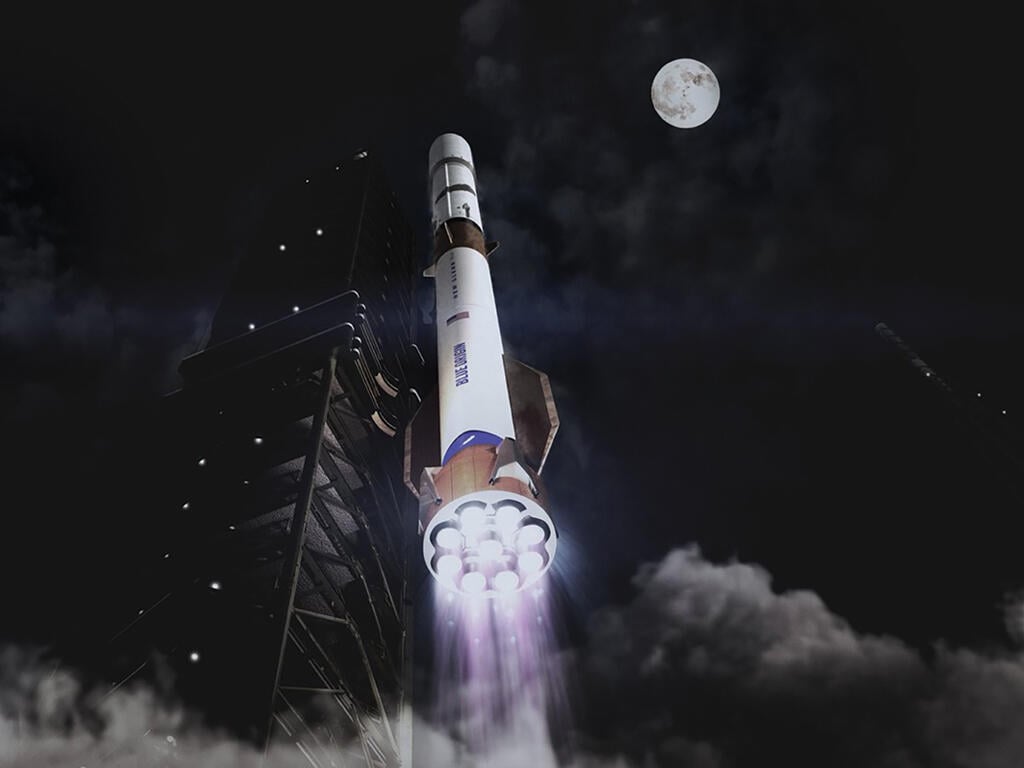
Blue Origin New Glenn
Credit: Blue Origin
The long-awaited debut of Blue Origin’s first orbital-class launch vehicle presented an opportunity for the U.S. Space Force to add the first new entrant into its National Security Space Launch program since SpaceX broke United Launch Alliance’s monopoly almost a decade ago. Many of the lessons learned from Blue Origin’s suborbital New Shepard went into development of the heavy-lift New Glenn.
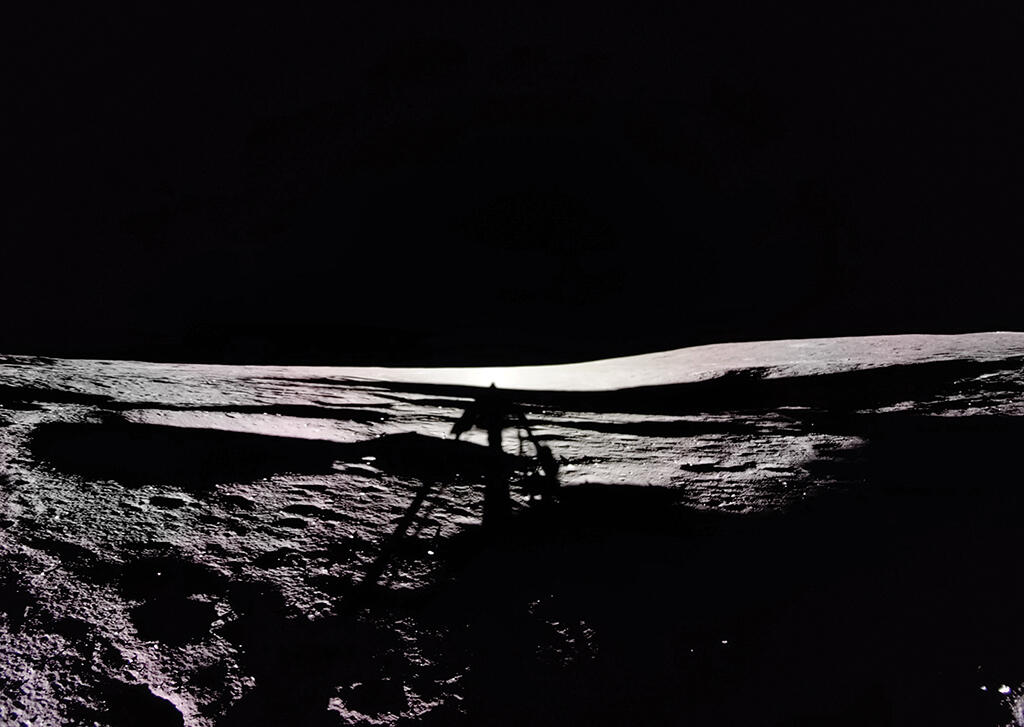
Firefly Aerospace Blue Ghost
Credit: Firefly Aerospace
Firefly was not the first private company to touch down on the Moon, but its Blue Ghost spacecraft was the first—and so far only—vehicle not only to stick the landing but also to complete a full-duration, 14-day mission on the lunar surface. NASA supported the flight as part of a program to spur commercial development of the Moon.
U.S. Air Force Rapid Capabilities Office Boeing X-37B
Credit: U.S. Space Force
The X-37B has quietly become the U.S. Space Force’s technology trailblazer, demonstrating operations in a new orbital regime and performing its first aerobraking maneuver. Now on its eighth mission in 15 years, the reusable spaceplane is testing key technologies for the Space Force to define the service’s operational future, including a novel quantum inertial sensor and laser communications link.
Aviation Week has announced the recipients for the Space category of the 68th Annual Laureate Awards (#AWLAUR), which recognizes exceptional achievements in the global aerospace industry.
The 2026 Laureates will be presented on March 19 at a black-tie gala at the National Building Museum in Washington. That evening, editors will reveal five Grand Laureates selected from winners in each of the industry categories. We will also recognize the leaders of tomorrow—two dozen university-level students and military cadets pursuing careers in aerospace or aviation.