
SNC DVE Solutions Empower Pilots in Low-Visibility Environments
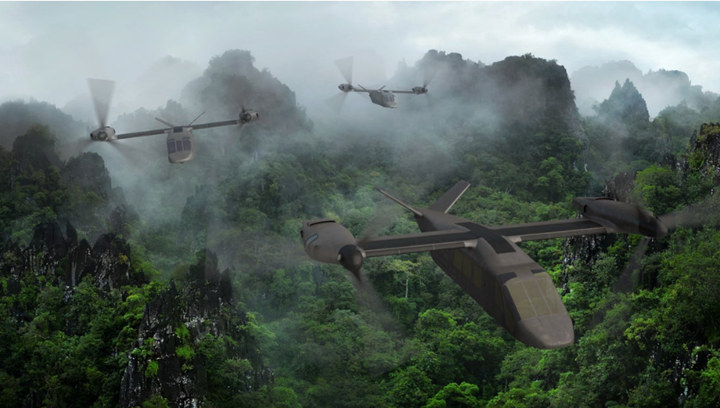
Ensuring the safety and security of the nation’s forces is a fundamental priority shared across the A&D industry. SNC’s Degraded Visual Environment (DVE) solutions provide the asymmetric capability to execute rotary-wing missions in near-zero visibility, enabling Army Aviation to support ground force commanders unmatched by our near-peer adversaries. Proven to increase mission effectiveness and pilot safety within the Army’s special operations and medical evacuation (MEDEVAC) units, SNC DVE systems deliver the ability to increase this asymmetric advantage across the Army’s tactical aviation formations now.
DVE systems have the potential to revolutionize modern aviation for pilots, much like night vision equipment transformed military operations during WWII. SNC’s DVE solutions represent a pivotal advancement in aviation safety and technology. Engineered for optimum performance under the most challenging conditions, these multi-sensor systems aid pilots flying in snow, fog, rain and sandstorms by detecting and imaging terrain and obstacles such as wires, towers and other aircraft – delivering alerts at appropriate times. This capability to overcome loss of visual cues ensures critical mission performance in low-visibility environments, whether rural or urban, both day and night, throughout takeoff, enroute flight and landing.
A significant evolution to battlefield landscape also requires a shift from desert brownout-focused systems to more comprehensive solutions. Modern conflict environments demand advanced capabilities that go beyond weather mitigation, enabling safe and effective operations in increasingly congested spaces such as urban canyons and mountainous terrain. As military engagements move into more complex and varied theaters, it is crucial to equip pilots with systems that provide unparalleled situational awareness and obstacle detection.
Flying without DVE mitigation technology can be compared to flying blind. Pilots are forced to rely solely on their instruments and limited visual cues, which can be disorientating and dangerous, especially in unpredictable weather or unfamiliar terrain. The risk of collision with terrain and unseen obstacles, such as wires, towers, or other aircraft, is significantly higher. In contrast, SNC DVE systems use advanced sensors, including lidar and radar, to detect and image these objects, providing pilots with clear, real-time information and alerts about their surroundings. This enhances safety and allows for more precise and confident maneuvering in challenging environments.
DVE mitigation technology is lifesaving and also protects expensive and valuable military assets. For example, its use on HH-60M MEDEVAC helicopters is crucial due to the demanding nature of these rescue missions, which require rapid ingress and egress from conflict zones to evacuate and/or treat injured soldiers. SNC also continues to integrate DVE solutions into CH-47F “Chinooks” and emerging platforms such as the V-280 Valor, but the critical need for DVE technologies on the most widely used helicopter in the fleet – the UH-60M Black Hawk – remains. Current missions and training, as well as future conflicts, will require Army Aviation to operate in all environments, without being hindered by DVE.
Aircrews using DVE systems report the technology allows them to fly in weather conditions that would have previously grounded their operations. Special operations crews highlight the dramatic reduction in training time, increased safety and improved mission success rates. Imagine the profound impact on general flight operations if these technologies were more widely implemented across Army fleets. The ability to navigate challenging low-visibility environments with confidence and precision could redefine the boundaries of what is possible in military aviation, ensuring not only the safety of pilots, but also the success of their critical missions.
The future of aviation is changing. It's clear that embracing DVE technology across the board is not just an option—it's imperative for maintaining operational superiority and safeguarding the nation's interests.