This article is published in Aviation Week MRO part of Aviation Week Intelligence Network (AWIN), and is complimentary through Jul 11, 2026. For information on becoming an AWIN Member to access more content like this, click here.

Baltic MROs Tighten Supply Chains Amid Geopolitical Pressure

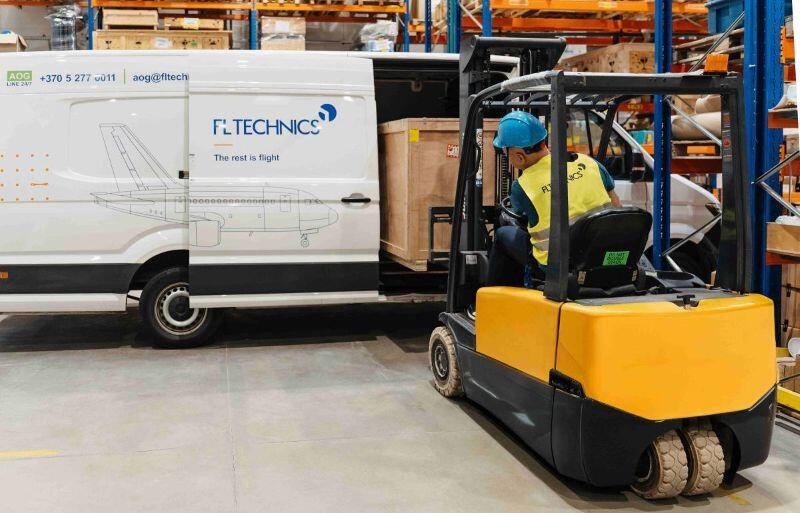
FL Technics employee
Credit: FL Technics

Executives at Heston Materials and FL Technics say the current geopolitical operating environment is forcing sharper discipline in sourcing strategies, tighter control over supplier relationships and faster access to inventory as demand patterns become increasingly unpredictable.

At Heston Materials, CEO Kęstutis Volungevičius says resilience has so far been underpinned by a deliberately conservative supplier strategy. “Our supply chain has remained relatively stable thanks to our long-standing reliance on trusted European and U.S. partners,” he said, adding that the company avoids exposure to volatile sourcing routes by design. “We avoid opportunistic relationships and apply strict criteria to any new suppliers.”

But while sourcing stability has held, Volungevičius acknowledged that cost pressures are intensifying, particularly around logistics. Rising fuel prices are feeding directly into higher transportation costs across the network, adding further strain to already tight lead-time environments.

The bigger structural change, however, is coming from the demand side. Heston said customer purchasing behavior has shifted markedly toward short-term, reactive buying, with airlines increasingly bypassing traditional forward planning models.

“Airlines are no longer stocking ahead; they’re buying only in AOG [aircraft on ground] situations or when no alternatives remain,” Volungevičius said. “Planning three to six months ahead has become rare.”

That shift is forcing suppliers to rethink inventory positioning. Heston is expanding its ready-to-use stock profile and moving components closer to key markets through its warehousing network in Ireland and Lithuania, with further expansion under review. The company is also leveraging partner facilities to distribute inventory across multiple regions and shorten response times.

“Our long-term strategy is simple: stay as close to the customer as possible,” Volungevičius said. That includes continuous teardown activity and recertification of components to ensure availability for immediate deployment when demand spikes.

On the MRO side, FL Technics is leaning heavily on digitalization to manage volatility in material flows and improve operational responsiveness across its network.

CEO Žilvinas Lapinskas said the company’s Sensus enterprise resource planning platform has become central to how it tracks, forecasts and deploys inventory across locations. “The system provides real-time visibility of inventory across all locations, including available stock, reserved parts, items under repair and shelf-life status,” he said.

The platform links maintenance planning with material forecasting, enabling teams to anticipate requirements earlier and reposition stock ahead of demand. “We can better anticipate demand, pre-position materials and reduce the risk of delays during maintenance,” Lapinskas added.

In critical AOG scenarios, the system is designed to accelerate decision-making and sourcing. “Sensus helps us quickly prioritize demand and identify alternative sourcing options, minimizing aircraft downtime,” he said.

Lapinskas said Sensus also enables stock pooling and inter-location transfers, improving utilization across FL Technics’ network while strengthening working capital efficiency and compliance oversight.

Keith Mwanalushi

Keith Mwanalushi primarily writes about the global commercial aviation aftermarket and has more than 10 years of experience covering it. He is based in the UK.