This article is published in Aerospace Daily & Defense Report part of Aviation Week Intelligence Network (AWIN), and is complimentary through Sep 13, 2026. For information on becoming an AWIN Member to access more content like this, click here.

U.S. Army Working To Better Protect Its Air Defenses

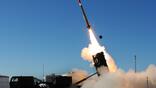
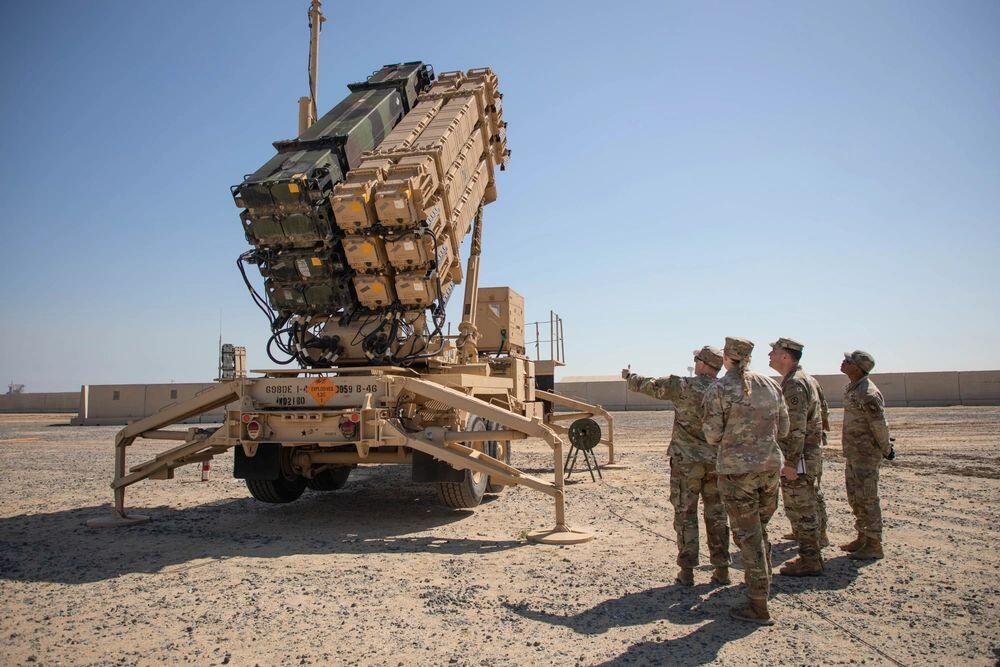
U.S. Army Patriot launcher deployed to the Middle East. Credit: U.S. Army

U.S. Army Patriot launcher deployed to the Middle East.

Credit: U.S. Army

HUNTSVILLE, Alabama—The U.S. Army is taking steps to better protect the air defense soldiers and systems that have come under attack in the Middle East, while using lessons from Ukraine’s use of the same systems, though key officials say more needs to be done.

The Army’s Space and Missile Defense Command (SMDC) is looking at ways to come to a “long-term solution” to better defend the defenders, using work within its own ranks, the service’s training branch and a newly formed task force on counter uncrewed aircraft system (UAS) operations, command leader Lt. Gen. John Raffery says. The Army’s air defense community has taken losses amid the ongoing war against Iran, with five soldiers from across air and missile defense units killed.

“Because air defense formations are playing such a central and prominent role in this conflict, the threat to them is more pronounced,” Rafferty told reporters Aug. 12 at the Space and Missile Defense Symposium here. “Our adversaries are like us, right? They target high-value targets and so defending the defenders is absolutely a priority for us.”

The Army is facing a depletion of key munition stocks amid the high pace of operations, though SMDC leaders say that has not impacted how they operate.

“They’re not changing anything, not changing anything about magazine depth. They’re still protecting the air because there’s soldiers on the ground and others on the ground that they must protect,” SMDC Command Sgt. Maj. Rickey Jackson says.

Iranian forces and other adversaries in the Middle East have evolved into sophisticated attacks coupled with advanced tactics, techniques and procedures to a level that is completely different than about five years ago before the current conflicts, says Chief Warrant Officer 5 Noel Del Real with the 32nd Army Air and Missile Defense Command.

There have been adjustments to equipment and tactics to focus on survivability, officials say. The 10th Army Air and Missile Defense Command (AAMDC) is charged with helping Ukraine with its air defenses and is adapting that experience into improving the U.S. tactics. Members of the 10th’s 1st Battalion, 57th Air Defense Artillery Regiment have also deployed their short-range air defense systems to the Middle East to assist in the current conflict in a way that is outside what they were initially trained to do, says Chief Warrant Officer 5 Billy Could with the 10th AAMDC.

In terms of survivability, the greatest lessons learned over recent operations have focused on taking steps like increasing dispersion of fire control equipment. This includes steps such as working with Raytheon to extend cables by up to three times as long to further spread out the equipment.

“So if one target gets hit, the rest of the fire control might not feel the effects, or at least minimize the effects,” he says.

The Patriot’s Engagement Control Station has been made adaptable to a Palletized Load System that allows operators to be employed in ground with cover built around them and protection such as Kevlar and other armor built around it to protect operators inside, he says.

Air defenders are also increasing the use of deception, with decoys to potentially be targeted. This includes having personnel work with them to show a pattern of life for deception, something that has shown to be effective in Ukraine, he says.

Brian Everstine

Brian Everstine is the Pentagon Editor for Aviation Week, based in Washington, D.C.