This article is published in Aerospace Daily & Defense Report part of Aviation Week Intelligence Network (AWIN), and is complimentary through Aug 24, 2026. For information on becoming an AWIN Member to access more content like this, click here.

Rafael Chairman Sees Backlog Hitting Milestone Level

rafael chairman

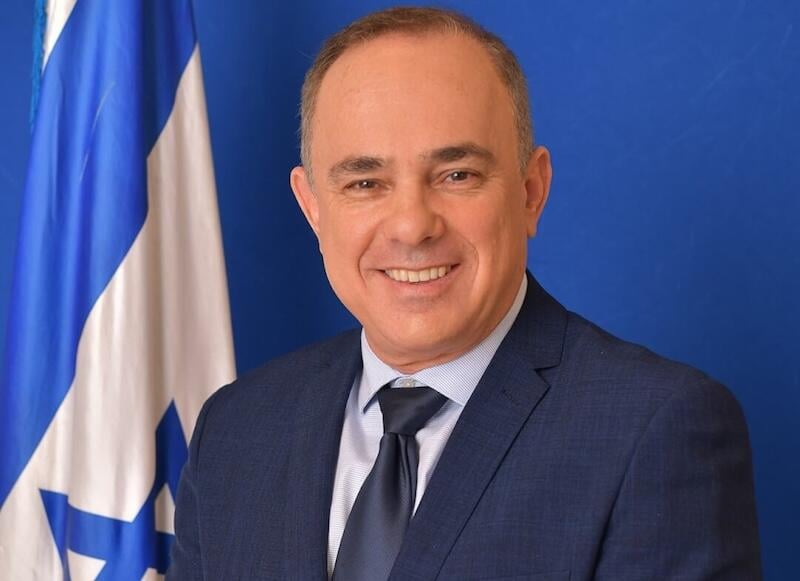
Rafael Chairman Yuval Steinitz.

Credit: Rafael

FARNBOROUGH, England—Israel’s state-owned arms company Rafael should see its backlog topping 100 billion shekels ($32.8 billion), more than four times the level in 2022, as it chases further growth in part by expanding its presence in the U.S. and select markets elsewhere, Chairman Yuval Steinitz says.

The company expects its export business to return to being the principal growth driver after a recent period where Israel’s wars led domestic activities to represent a larger part of sales than before the fighting began in 2023. About 70% of sales next year should be for export customers, Steinitz said in an interview here at the Farnborough Airshow.

Steinitz says that since he became chairman he has been looking for Israel to expand overseas, particularly in the U.S. “I want Rafael in the future to be an Israeli-American company,” he says, likening the envisioned setup to what BAE Systems has done to expand from its British roots.

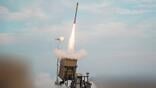
The company already has several U.S. facilities, including building in partnership with RTX its Iron Dome interceptors in Arkansas. Further expansion is on the agenda, he notes, including through an agreement with Kratos to work on solid rocket motors.

The company also has identified Germany and India as areas of expansion for both production and R&D. Germany, for instance, could become home for a third Iron Dome interceptor production site if Berlin gives the green light to the purchase of the air and missile defense system.

Rafael also has export licenses for the Iron Beam laser adjunct to Iron Dome, though it will not identify the specific markets.

Steinitz also reinforces that he is looking for the government to advance plans for a partial privatization of Rafael. “We have to move in this direction in order to be able to compete in the future,” he says.

Being partly private would come with several benefits Rafael does not enjoy as a state-owned enterprise, including being able to compete better for talent through competitive pay. Rafael could also more nimbly pursue acquisitions rather than being held back by lengthy intra-government deliberations, he notes.

Robert Wall

Robert Wall is Executive Editor for Defense and Space. Based in London, he directs a team of military and space journalists across the U.S., Europe and Asia-Pacific.