This article is published in Aerospace Daily & Defense Report part of Aviation Week Intelligence Network (AWIN), and is complimentary through Jul 12, 2026. For information on becoming an AWIN Member to access more content like this, click here.
BERLIN—Germany is scrambling to quickly address a need for deep-strike weapons amid uncertainty about an earlier plan to rely on U.S. systems in the near term.
“We have to be faster. We have to see what is on the market,” German Chief of Defense Staff Gen. Carsten Breuer said at an Atlantic Bridge event at the ILA Berlin air show.
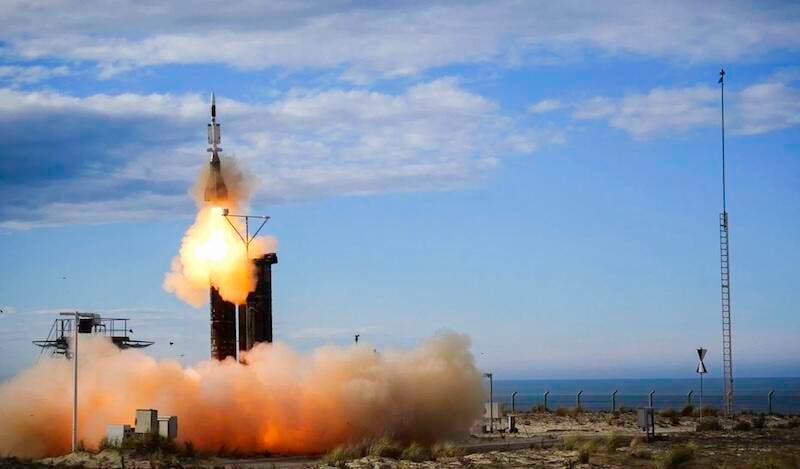
Germany had a relatively structured plan to fulfill its need for a deep-strike system with the goal of having the capability in country to deter Russia. The first step involved the U.S. deploying such a system to Germany, followed by Germany’s acquisition of the Typhon system it formally asked to buy last year and then the fielding of a homegrown European option. But the U.S. has nixed plans for its deployment, and German officials now do not expect the Typhon sale to materialize.
“If there is a gap, we will find a way to mitigate it,” Breuer said. “How can we procure a long-range fire capability which fits into this plan?” The goal, he indicated, is to have something in country by 2029, a year Germany has identified as critical given the threat from Russia.
There is no change in the ultimate objective of having a European system, he said. Germany is a key partner in the so-called European Long-Range Strike Approach program that others have joined.
NATO next week is planning an event to help members think through deep precision strike needs both in the near and medium terms, said the alliance’s supreme allied commander and head of U.S. European Command, U.S. Air Force Gen. Alexus Grynkewich.
“What types of capabilities do we need? How do we envision using them? How do they fit into our regional plans as we look to deter any potential adversary?” he mused at the event.