
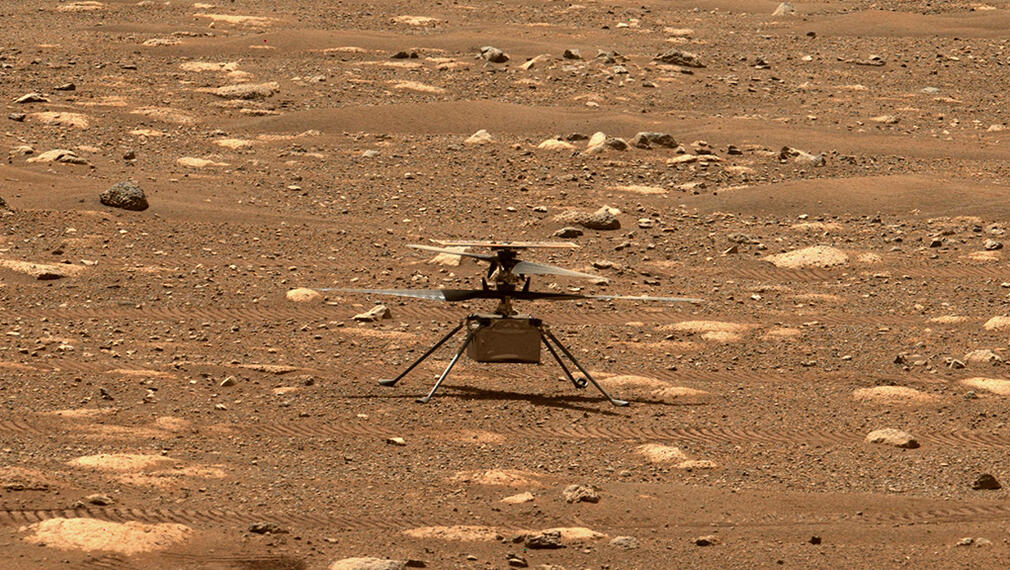




“How do we use aerial mobility in the future on Mars, to help not just robotic exploration, but to help human exploration?”
Ellen Stofan
Smithsonian


More Space Content From Aviation Week & Space Technology




Oct 08, 2012
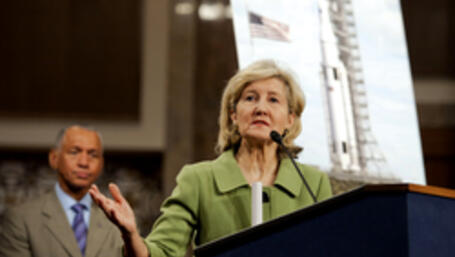
Space policy regains bipartisan flavor under budget pressure
Oct 08, 2012
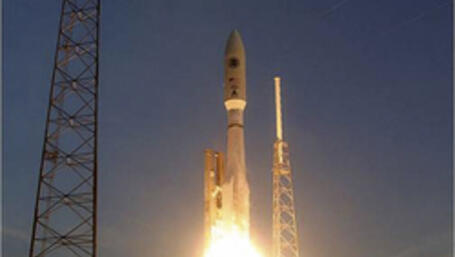
Boeing struggles with its terminal effort, while competitors weigh in with options
Oct 08, 2012
Last fall, a bill to block U.S. air carriers from participating in the EU's emissions trading system flew through the House of Representatives. Now it appears stalled there until after the Nov. 6 elections, industry and congressional sources say. The bill, co-sponsored by Sens. John Thune (R-S.D.) and Claire McCaskill (D-Mo.), was approved by the Senate before the chamber adjourned for recess. Supporters had expressed hope that the House would consider the bill during its pro-forma session before the elections, but 435 members would need to say yes.

Oct 08, 2012
Brand flew on Apollo-Soyuz, commanded three shuttle missions
Oct 08, 2012
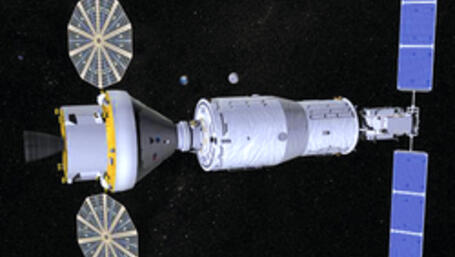
Base at Earth-Moon L-2 is attractive, details need work
Oct 01, 2012
David Barger, president and CEO of JetBlue Airways, has joined the Dallas-based ISTAT Airlink Advisory Council. Barger also is chair of the FAA's NextGen Advisory Committee and a member of the board of governors and treasurer of the Flight Safety Foundation.
Oct 01, 2012
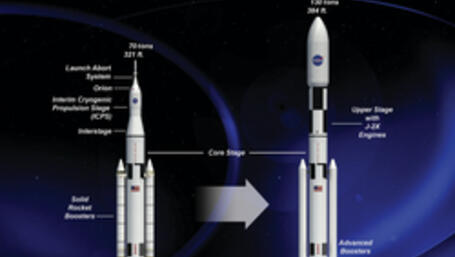
Engineers at NASA, Boeing and Pratt & Whitney Rocketdyne are making good progress on the initial version of the agency's planned Space Launch System (SLS) for deep-space human exploration, but it's the advanced configuration that may actually drive some innovation in the field. The first few flights will use the 70-metric-ton version (at left in illustration). But Congress wants the 130-metric-ton rocket (at right) for serious exploration, as well as mix-and-match versions in between to launch big space telescopes and other scientific hardware, and the U.S.
Oct 01, 2012
Humans will soon have new vehicles to reach orbit.