
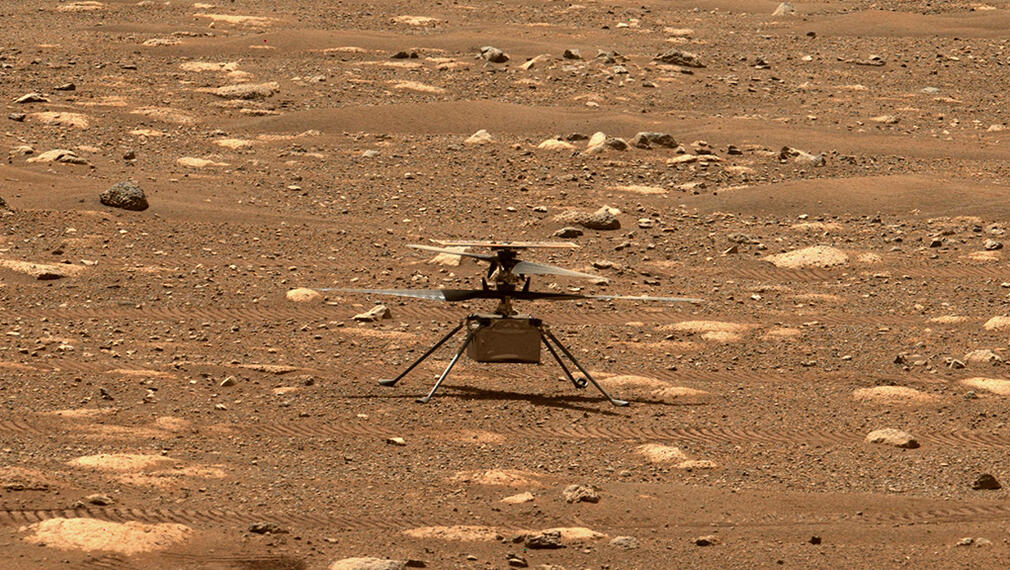




“How do we use aerial mobility in the future on Mars, to help not just robotic exploration, but to help human exploration?”
Ellen Stofan
Smithsonian


More Space Content From Aviation Week & Space Technology





Nov 26, 2012
Just 15.5 sec. after it was released from the Boeing B-52 mother ship over the Pacific, one of four control fins on the Boeing X-51A WaveRider hypersonic demonstrator unlocked. The unpowered fin swung fully trailing-edge down and stayed there as the booster accelerated the X-51A cruiser to its planned release at Mach 4.9.
Nov 26, 2012
Laser-comm testbeds readied for spaceflight trials
Nov 26, 2012
U.S.-Japanese spacecraft will improve global cyclone tracking
Nov 26, 2012
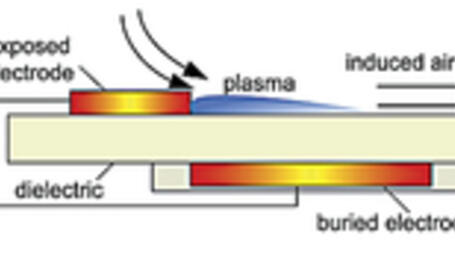
Russian researchers, long in the forefront of plasma control experimentation, are combining forces with U.S. military and European industrial counterparts to further exploit plasma's potential effect in hypersonic flight. The concept involves generating plasma by using an electrical discharge to create a shape or force which can act as a virtual actuator, a flow modifier or as an aid to combustion.
Nov 26, 2012
The European Space Agency (ESA) will spend €588 million ($752 million) over the next two years to upgrade the Ariane 5 rocket, conduct detailed design studies of a successor and identify synergies between the two launch vehicles, including development of a common upper stage.
Nov 26, 2012
Pre-cooler concept gains credibility as flight-weight unit tests progress
Nov 26, 2012
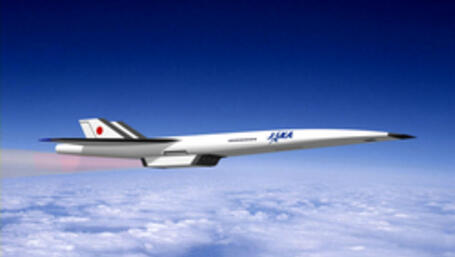
Hypersonic technology is extremely difficult to master and high-speed travel generally involves long distances. These simple, but axiomatic principles of hypersonic studies not only dictate key areas of research but also, increasingly, influences who teams with whom.
Nov 26, 2012
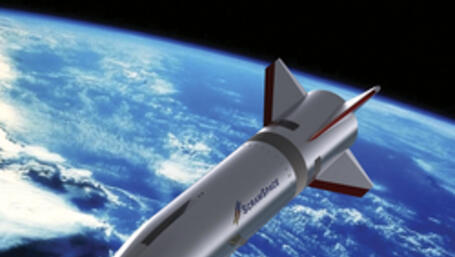
Design refinements packaged into ambitious Australian hypersonic demonstrator