
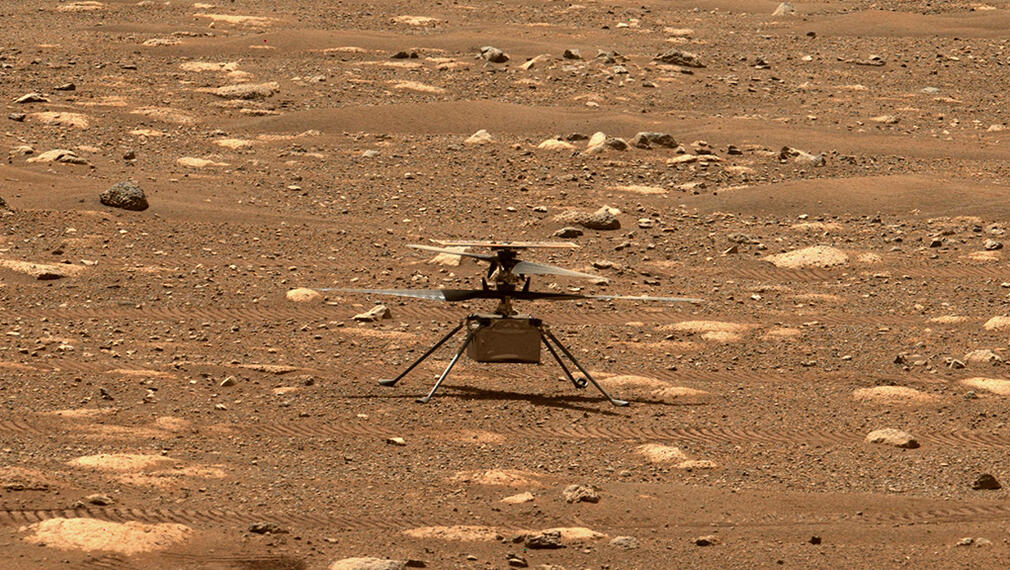
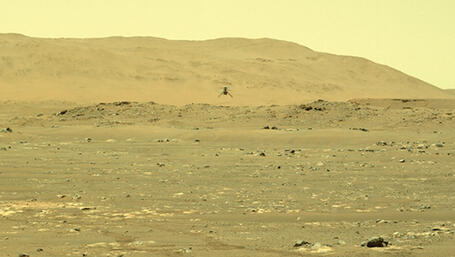

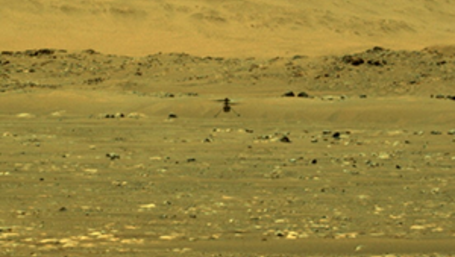

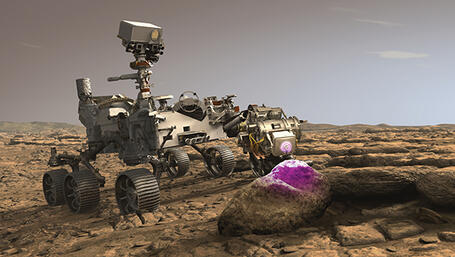
“How do we use aerial mobility in the future on Mars, to help not just robotic exploration, but to help human exploration?”
Ellen Stofan
Smithsonian

More Space Content From Aviation Week & Space Technology


Dec 09, 2013
Scientists worry about plans under no-frills budget environment
Dec 09, 2013
Richard Branson's Virgin Group and Abu Dhabi's aabar Investments PJS, have successfully completed the second rocket-powered, supersonic flight of its passenger carrying reusable space vehicle, SpaceShipTwo (SS2).
Dec 02, 2013
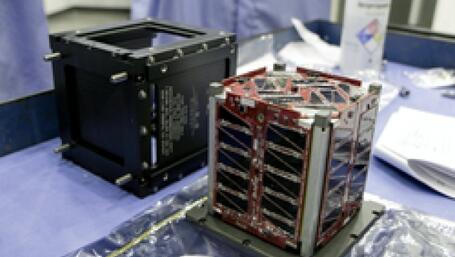
Launch of a Minotaur-1 rocket cobbled together from surplus ICBM stages and carrying a record 29 satellites underscores—again—the growing importance of nanosatellites in the overall spaceflight endeavor.

Dec 02, 2013
Americans love to look for silver-bullet solutions to big problems
Dec 02, 2013
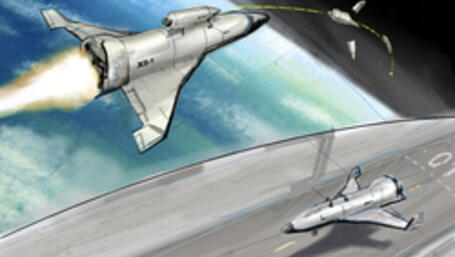
Has technology advanced enough to make an aircraft-like launch vehicle practical?

Nov 25, 2013
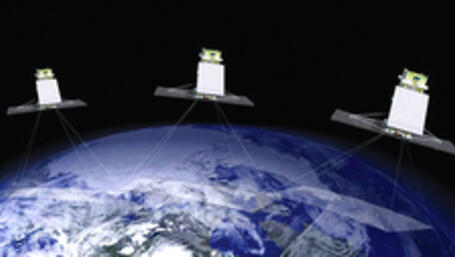
A growing number of satellite-based automatic identification systems (AIS) make it easier for maritime surveillance to tie ship-tracking data with high-resolution satellite imagery. Used with AIS, space-based synthetic aperture radar (SAR) and optical remote-sensing platforms determine not only the presence of ships, but their identity, position, speed, heading, load, size and type.
Nov 25, 2013
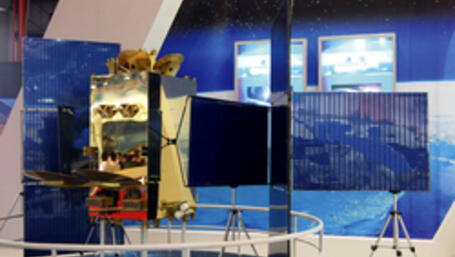
Like London buses, three Chinese satellite platforms are coming at once.