
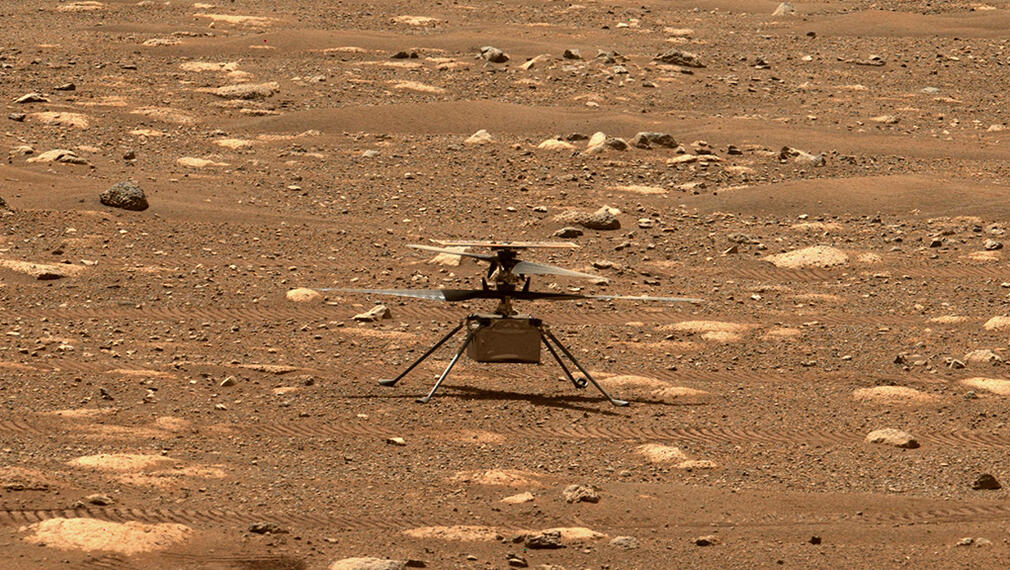


“How do we use aerial mobility in the future on Mars, to help not just robotic exploration, but to help human exploration?”
Ellen Stofan
Smithsonian


More Space Content From Aviation Week & Space Technology



Mar 10, 2014
Two retired NASA astronauts died recently—Dale A. Gardner, who helped capture two satellites in orbit and return them to Earth in 1984, and William R. Pogue, who logged 84 days on the first U.S. space station, Skylab, in 1973-74. Gardner, who died Feb. 19 in Colorado Springs, was 65. Pogue, who was 84 and died March 4, had been living in Cocoa Beach, Fla. The causes of the deaths were not disclosed.
Mar 10, 2014
The A&D industry faces momentous challenges
Mar 10, 2014
New NASA budget request follows old path, but with a few changes
Mar 10, 2014
In-space satellite refueling system tests make progress
Mar 10, 2014
Battle lines are being drawn in the iron triangle
Mar 10, 2014
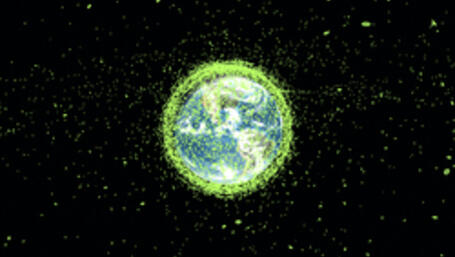
The caption with a graphic depicting satellites and debris in Earth orbit accompanying an article in the March 3 edition (page 22) on a new U.S. satellite system to monitor other spacecraft incorrectly described a dense ring of objects. The region described was low Earth orbit, not geosynchronous orbit.

Mar 03, 2014
Dennis Tito's ambitious plan to send a married couple on a fast near-term tour of the inner Solar System is losing lift in the face of technical and fiscal reality, but his can-do spirit and choice of working partners is paying off in technology. A deeper dive into mission requirements ruled out the space-tourism pioneer's hope that his personal wealth could seed a two-person Mars flyaround in 2018, and his revised plan for a 580-plus-day trip to Mars via Venus is a long shot.
Mar 03, 2014
The U.S. Air Force plans to launch two new, secretly developed satellites this year to spy on activities in the densely populated geosynchronous orbit belt, according to Gen. William Shelton, who leads Air Force Space Command. The spacecraft, classified until Shelton revealed their existence Feb. 21, were developed by the Air Force and Orbital Sciences Corp. under the Geosynchronous Space Situational Awareness Program (GSSAP), service officials say.