
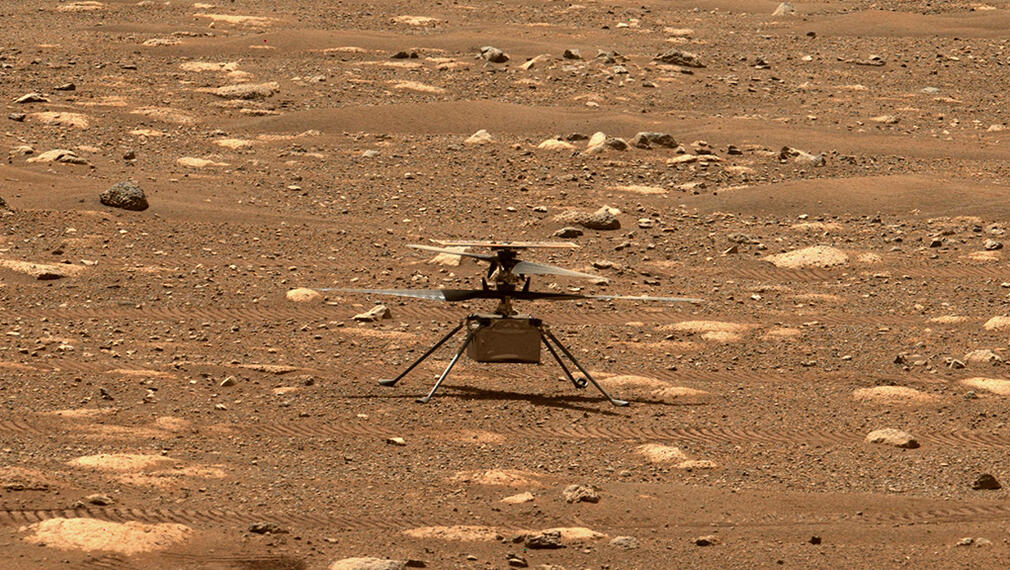
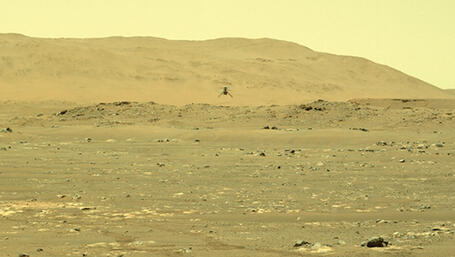


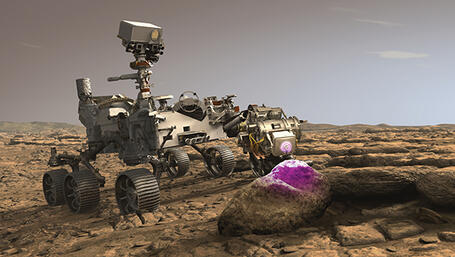
“How do we use aerial mobility in the future on Mars, to help not just robotic exploration, but to help human exploration?”
Ellen Stofan
Smithsonian

More Space Content From Aviation Week & Space Technology



Nov 17, 2014
B.S. in Mechanical Engineering, Class of 2009; M.S. in Mechanical Engineering, Class of 2015, both from Massachusetts Institute of Technology
Nov 17, 2014
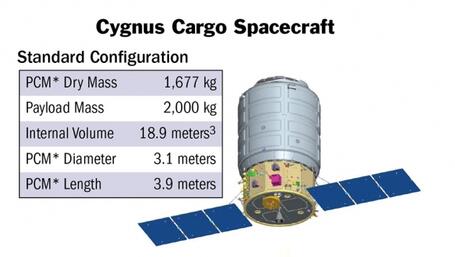
Orbital Sciences remained mum on a replacement engine for its ISS cargo carrier last week, but Russian news outlets have identified the new kerosene-fueled RD-193 developed by NPO Energomash as the chosen one.
Nov 15, 2014
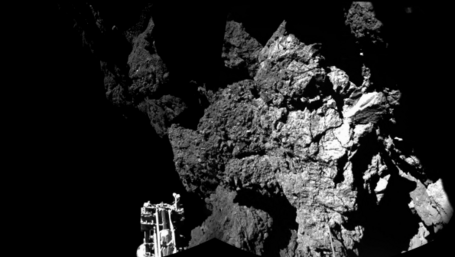
The lander lost contact with ground controllers early this morning, but not before they sent commands to rotate the probe's solar panels to glean additional sunlight.
Nov 14, 2014
With the clock ticking, mission managers weigh a plan to shift Philae's position and gain more exposure to the sun.
Nov 14, 2014
"Figuring out where high energy neutrinos come from is one of the biggest problems in astrophysics today," said Yang Bai, University of Wisconsin at Madison physicist.
Nov 14, 2014
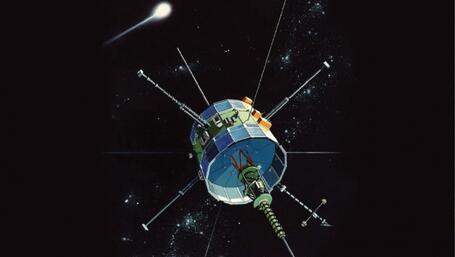
Rosetta is the first mission designed to orbit and land on a comet. The €1.4 billion exploration campaign, the first to undertake a lengthy exploration of a comet at close quarters, builds on the first fly-bys of comets in the 1980s led by NASA, ESA, Russia and Japan.