
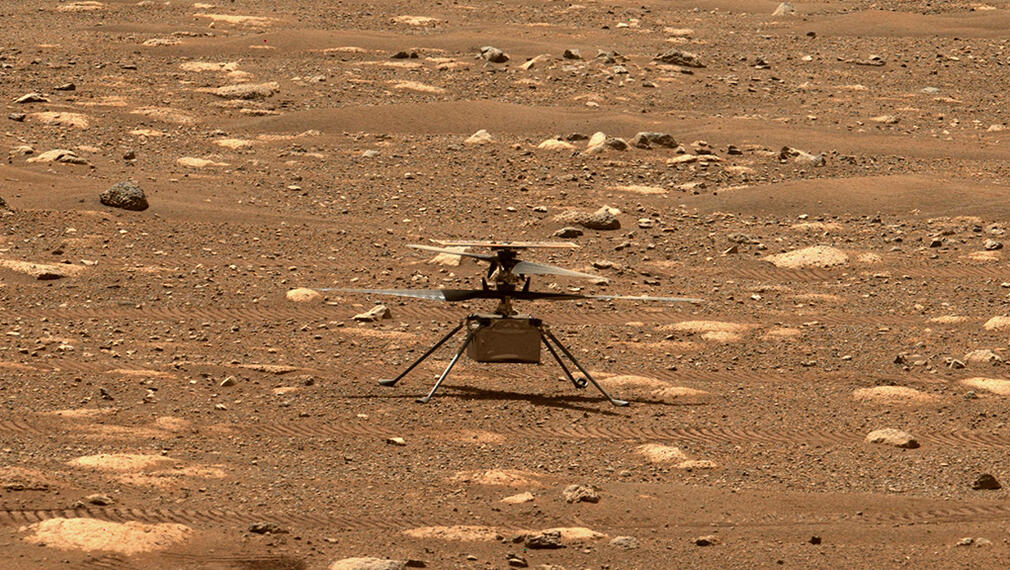




“How do we use aerial mobility in the future on Mars, to help not just robotic exploration, but to help human exploration?”
Ellen Stofan
Smithsonian


More Space Content From Aviation Week & Space Technology






Aug 18, 2015
Launch deals follow agreement to jointly develop a dual-frequency synthetic aperture radar satellite.
Aug 17, 2015
Electric propulsion for satellites is efficient, but low-thrust. An infrastructure of power-generation satellites in orbit would help speed the time it takes to change orbits

Aug 14, 2015
ISS crewmembers have taken a first, small bite out of the problem of keeping astronauts fed on deep-space missions.

Aug 14, 2015
The cost of ballistic missile interceptors, and the chance of failure, is high, but lasers pose their own efficiency and cost challenges.
Aug 13, 2015
A project that will revolutionise e-commerce and maternity services in remote communities across Nigeria and Kenya through the delivery of reliable, space-based internet connectivity services has completed its installation stage and is ready to be rolled out.
Aug 13, 2015
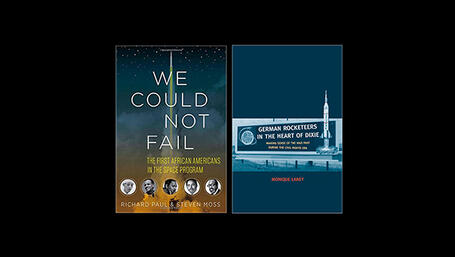
A pair of new histories reveals little-known details about the interaction of the U.S. space program and the civil rights movement in the South.
Aug 12, 2015
Satellite operator Yahsat, has announced the completion of the Critical Design Review (CDR) on its Al Yah 3 satellite, which is now on course to provide Ka-band broadband coverage for Africa.
Aug 12, 2015
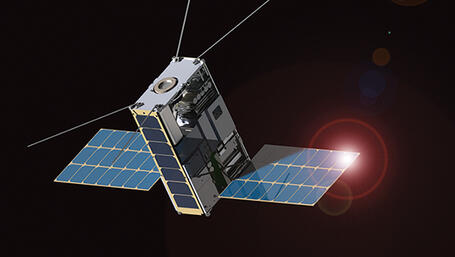
NASA has chosen Lunar IceCube for inclusion of secondary smallsat payloads on the the multibillion-dollar SLS-Orion test flight, which could provide potential encouragement for researchers to push deeper into space using CubeSat technologies.