
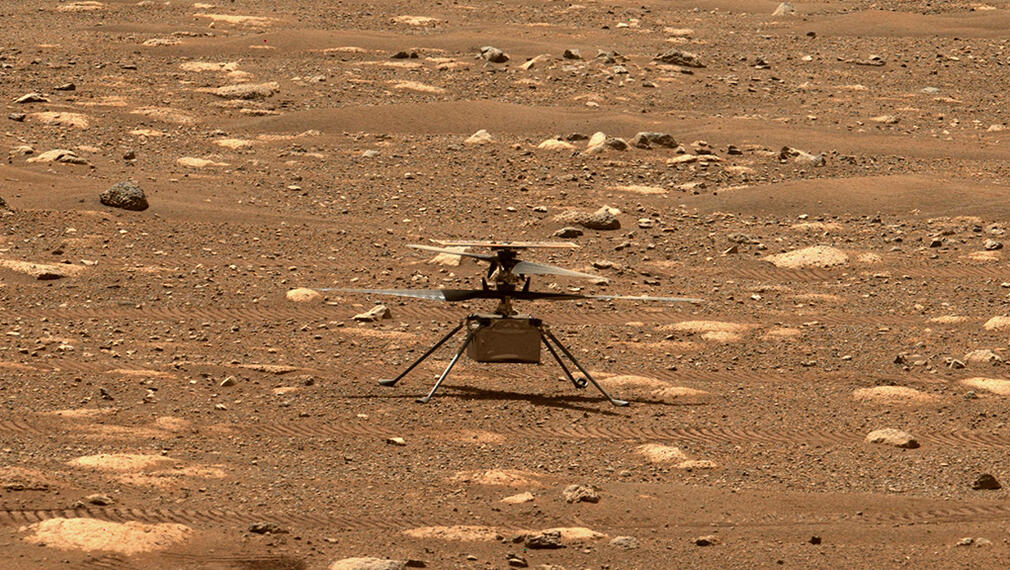




“How do we use aerial mobility in the future on Mars, to help not just robotic exploration, but to help human exploration?”
Ellen Stofan
Smithsonian


More Space Content From Aviation Week & Space Technology







Jan 22, 2016
SpaceX, Sierra Nevada move the needle on reusable-spacecraft technology that could give the orbital economy a shot in the arm.
Jan 21, 2016
From NASA’s Commercial Resupply Services-2 award to the Dream Chaser spaceplane, to Space-X’s recent near miss landing in Vandenberg, California, the field of reusable space systems is expanding. Join our editors as they discuss developments and competition in the burgeoning commercial and defense space launch markets.

Jan 21, 2016
After years of sole-source launch contracts for the United Launch Alliance, the U.S. Air Force may soon have many options to choose from.

Jan 20, 2016
NASA and the Energy Department designate a "planetary defense officer" to coordinate efforts to find and deal with dangerous asteroids.

Jan 20, 2016
The European Data Relay System (EDRS) is a new space and ground infrastructure that will provide near-real-time data delivery services of up to 50 terrabytes per day using laser technology.
Jan 14, 2016
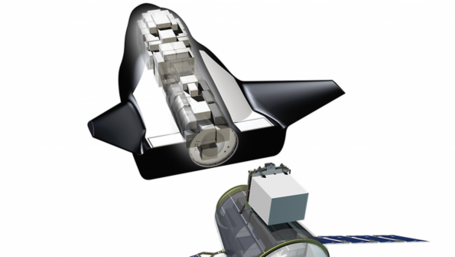
Sierra Nevada Corp. will join incumbents Orbital ATK and SpaceX.

Jan 14, 2016
NASA’s Dawn spacecraft is now within 240 mi. of the dwarf planet Ceres and will remain there indefinitely. Images collected at that altitude reveal similarities with Earth’s Moon and unique features that highlight the wondrous variety of our Solar System.

Jan 13, 2016
Ahead of new budget talks in late 2016, German Aerospace Center DLR and the European Space Agency are evaluating the cost of continuing support for the International Space Station beyond 2020, even as the other four space station partners pledge to fund the orbiting science lab to 2024.