
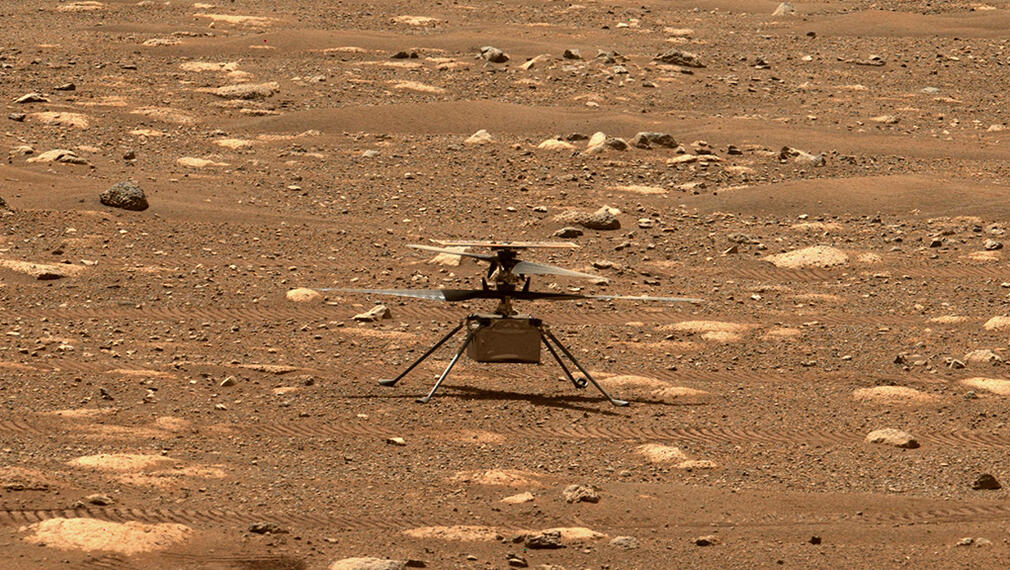




“How do we use aerial mobility in the future on Mars, to help not just robotic exploration, but to help human exploration?”
Ellen Stofan
Smithsonian


More Space Content From Aviation Week & Space Technology







Apr 01, 2016
Here are the main-stage and upper-stage engines being developed by Aerojet Rocketdyne, Blue Origin, Orbital ATK, SpaceX and XCOR Aerospace.

Apr 01, 2016
Work, Dunford discuss improved intelligence analysis; Senate to ask TSA administrator about airport security; elements of NASA’s SLS face delays and cost growth.

Mar 31, 2016
Starburst Accelerator is a two-year-old global A&D and security technology incubator and investor matchmaker—the first dedicated to the aerospace sector.

Mar 30, 2016
The modern day space race for new U.S. engines is taking place at both ends of the rocket.

Mar 30, 2016
Engines in contention to replace Russia’s RD-180 on U.S. launches cover a lot of technology, from segmented solid propellant to the methane-burning Blue Origin BE-4.

Mar 30, 2016
The Cold War era bigger-equals-better approach to space hardware is drawing to a close, and the trend extends into the power of rocket engines.

Mar 30, 2016
In past year, the total program cost of the Orbital Control System network has grown 16% to more than $4.1 billion, largely to software development issues.
Mar 30, 2016
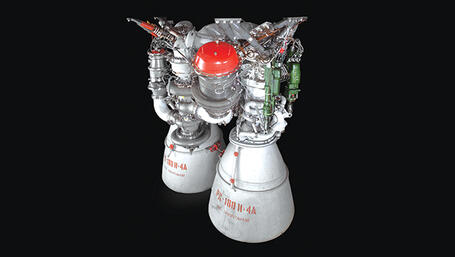
More important than the political struggle over how many Russian RD-180 engines to allow for national security launches is the intense commercial competition to replace it altogether.