
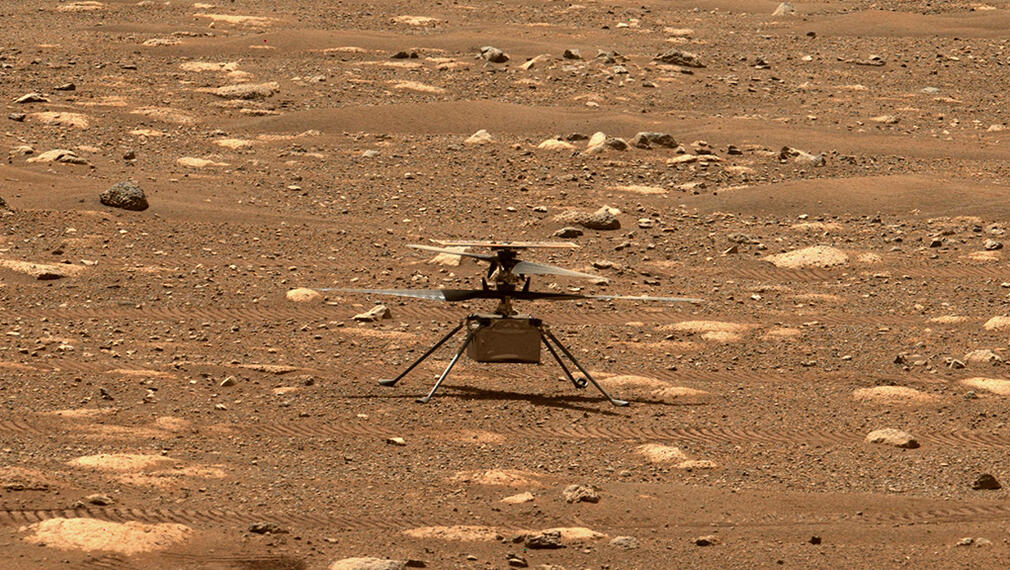




“How do we use aerial mobility in the future on Mars, to help not just robotic exploration, but to help human exploration?”
Ellen Stofan
Smithsonian


More Space Content From Aviation Week & Space Technology






Sep 21, 2016
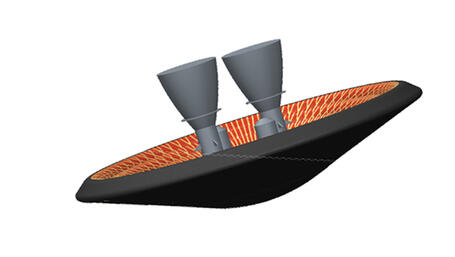
United Launch Alliance is taking the first steps along an alternate path involving recovery of only the first-stage engines.
Sep 21, 2016
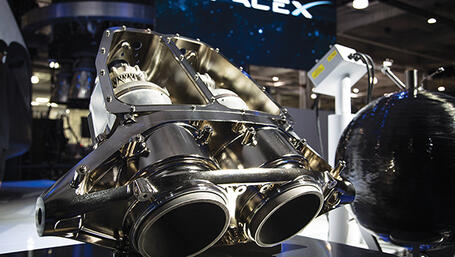
The recent accident that destroyed a SpaceX Falcon 9 rocket offers competing launch service providers an opportunity to tout their relative strengths.

Sep 21, 2016
New head of Germany’s DLR space agency and her colleagues across Europe lobby for money to fund future projects.

Sep 19, 2016
Lower cost is key for Europe’s future launchers.
Sep 16, 2016
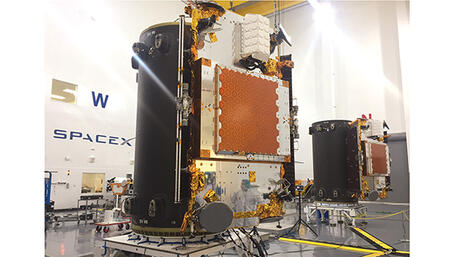
While Iridium has been able to raise the $3 billion needed to build and orbit the new system, which includes spares for backup, getting back to space has been a challenge.

Sep 15, 2016
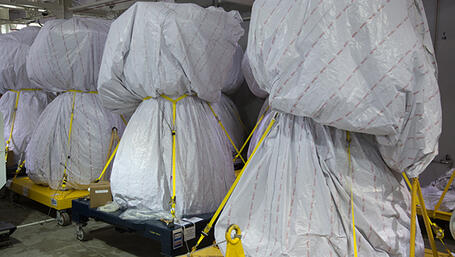
Satellite fleet operators old and new see rising growth in aeronautic, maritime broadband.
Sep 14, 2016
Despite SpaceX and Blue Origin’s advances on reusable engines, the 16 old space shuttle engines are the only way right now to power flight crews into space.
Sep 14, 2016
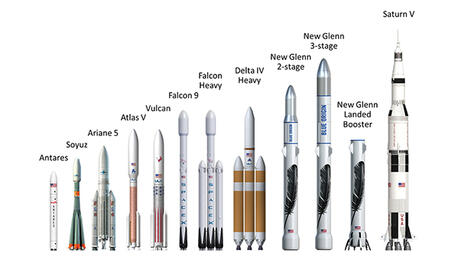
Still to be revealed are the payload masses for Blue Origin’s two New Glenn variants. Both versions of the new launcher will have a 23-ft. diameter. The two-stage version will stand 270 ft. tall, while the three-stage vehicle will be 313 ft.