
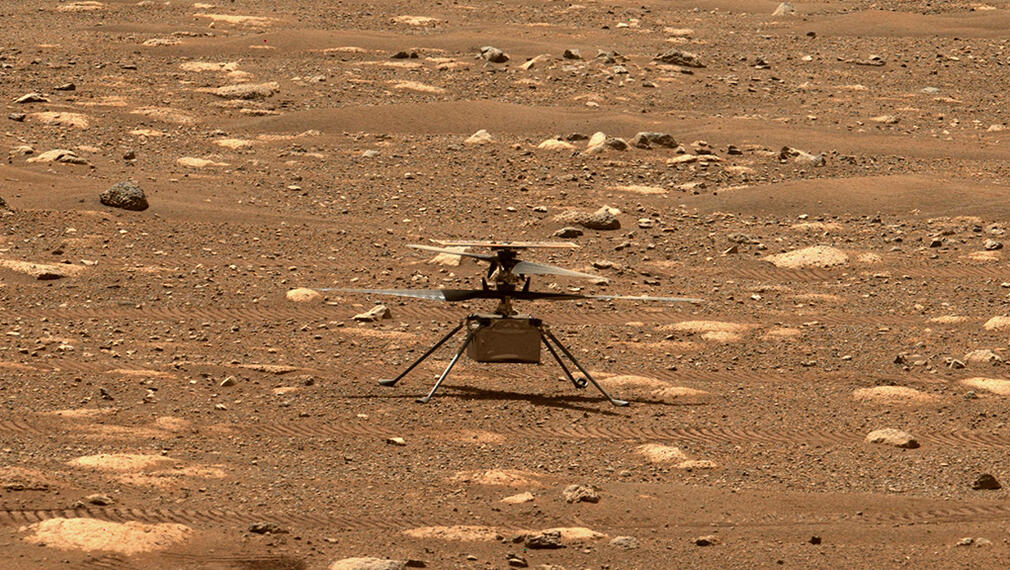




“How do we use aerial mobility in the future on Mars, to help not just robotic exploration, but to help human exploration?”
Ellen Stofan
Smithsonian


More Space Content From Aviation Week & Space Technology



Dec 22, 2017
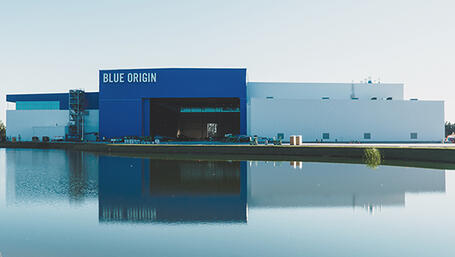
In addition to building and refurbishing New Glenn reusable rockets, the new plant also will house launch and mission control.

Dec 22, 2017
Following on the heels of success for SpaceX and other "new space" startups, venture capital is flowing into other aerospace startups, from advanced materials to urban air transport.

Dec 20, 2017
Launches for smallsats, reusable vehicles and spaceplanes made headlines in 2017.

Dec 20, 2017
Inmarsat, Iridium and Cobham developing systems for improved broadband flight deck connectivity and advanced data link capabilities.

Dec 20, 2017
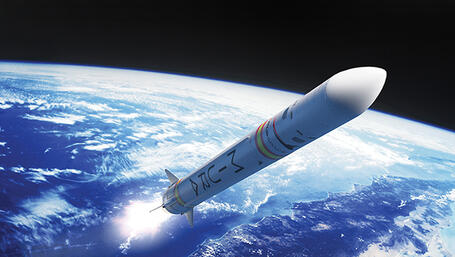
2018 shaping up to be pivotal year for U.S. launch industry, with resumption of human spaceflights and new rockets for small satellites.
Dec 19, 2017
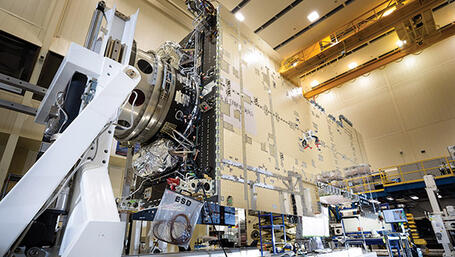
Industry experimenting with synthetic aperture radar, mix of services from geostationary and non-geo satellites.
Dec 19, 2017
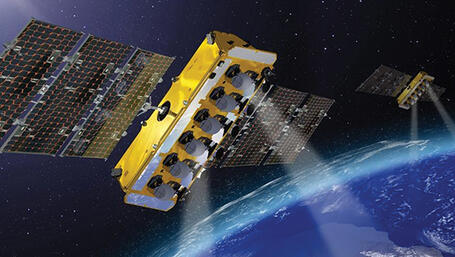
These projects focus on greater bandwidth—but not necessarily broadband—compared to the existing Iridium, GlobalStar and Orbcomm constellations.

Dec 15, 2017
Even on the ground, launch vehicles inspire a sense of awe in the observer, letting one feel the power that will be unleashed when their engines light.