
Singapore Changi Airport: Asia-Pacific’s Premier Gateway
Singapore Changi Airport: Asia-Pacific’s Premier Gateway
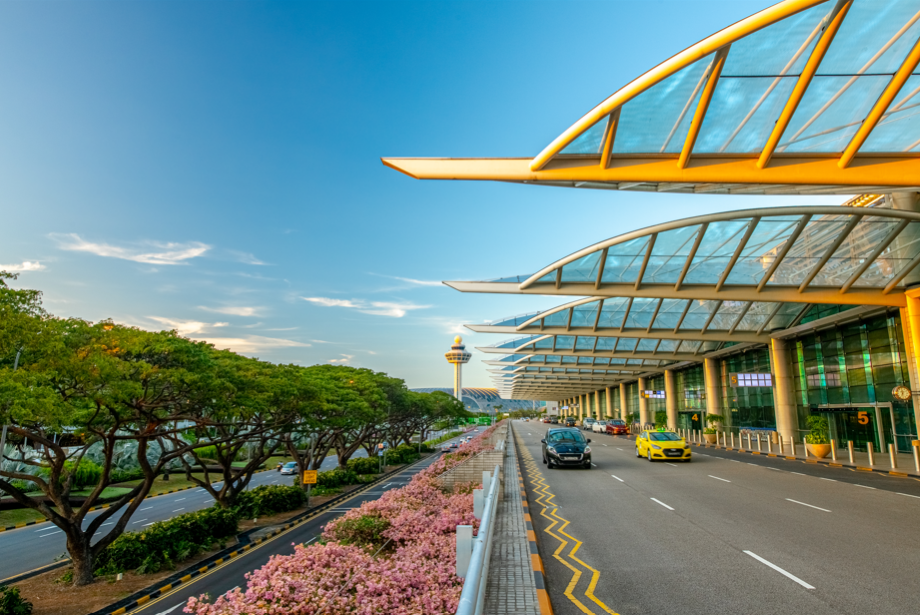
Asia-Pacific continues to be a strategically important region for aviation amid a volatile global environment. At Changi Airport, we remain committed to supporting the continued growth of air connectivity across Asia-Pacific and beyond. Changi Airport’s extensive connectivity, strong operational capabilities and renowned passenger experiences, coupled with Singapore's appeal as a leisure and business destination, position it well to capture opportunities arising from the region's continued aviation growth.
A Hub Positioned for Growth
Changi Airport continues to strengthen connectivity to both established markets and emerging cities across Asia-Pacific, supporting greater travel options and facilitating links between regions. As one of Asia’s most connected international aviation hubs, it links Singapore to over 170 cities through a network of 100 airlines, while working with airline partners to expand access to new and growing markets.
With a vision for long-term growth, Changi Airport Group (CAG) remains focused on strengthening operational resilience and investing in future-ready infrastructure to support the long-term growth of the air hub.
Through continued investments in infrastructure upgrades and technological innovations, CAG is strengthening its ability to support future growth while maintaining high service standards. Among these is a major upgrade to Terminal 3, slated to commence from end-2026, to boost the airport’s handling capacity while serving as a testbed for technology and robotics solutions that can be scaled for Terminal 5.
A Vision for the Future of Air Travel
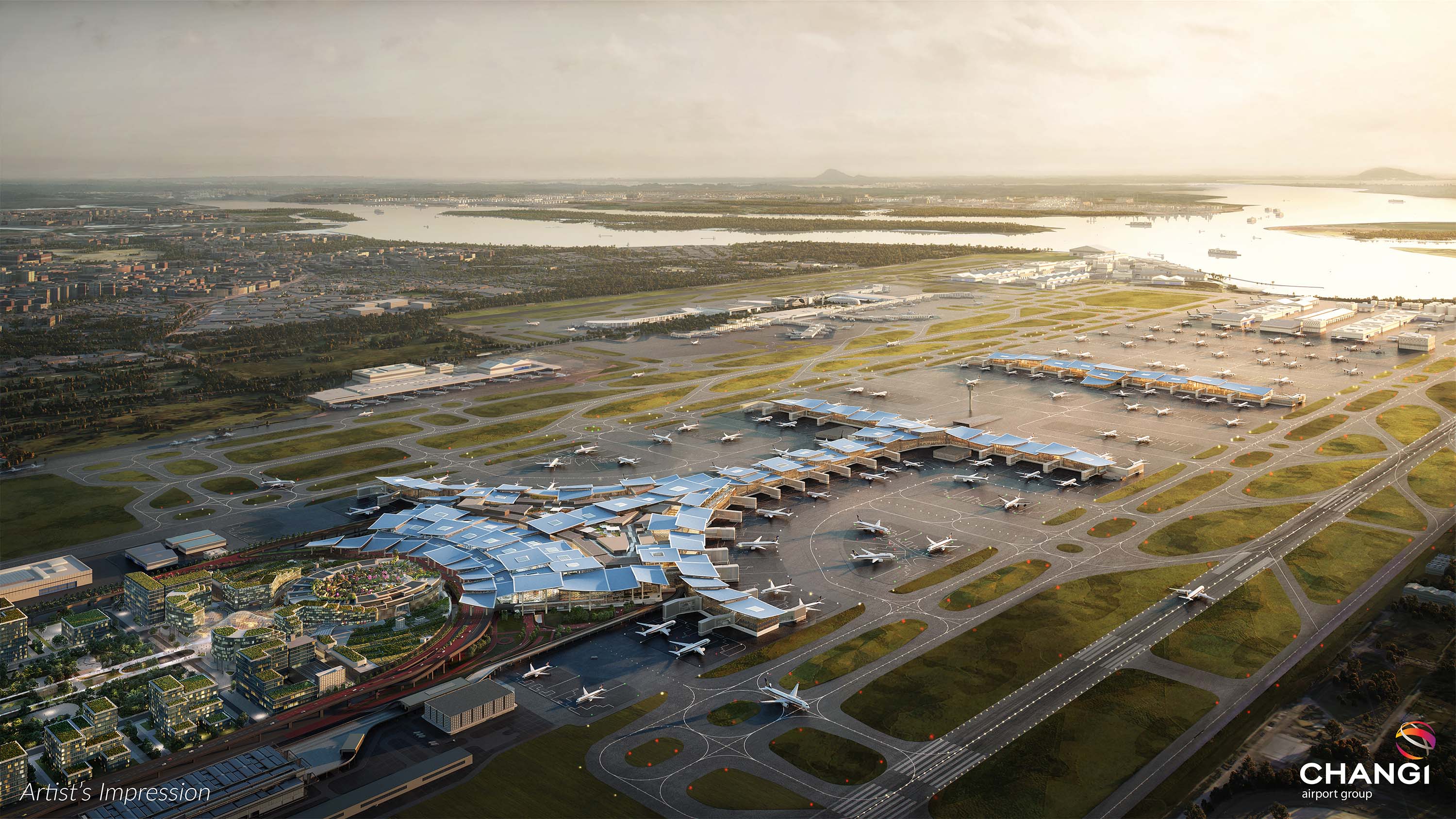
CAG is confident that travel demand will continue to increase and the long-term outlook for the aviation sector will remain strong. Building Changi Airport’s future hub capacity will remain a key priority. Central to this effort is the Changi East development, anchored by the new Terminal 5, which will significantly expand the airport’s capacity and reinforce Singapore’s position as a leading global aviation hub. Designed to be mega yet cosy, the new terminal which broke ground in 2025 will be able to handle about 50 million passengers a year when it is operationally ready in the mid-2030s. Together, these developments will enhance Changi Airport's ability to support Singapore's growing connectivity needs in the decades ahead.
Singapore: A Vibrant Destination
Singapore, a vibrant metropolis and cultural melting pot, offers dynamic experiences for every traveller. Its appeal as both a leisure and business destination continues to support strong visitor demand.

Iconic attractions like Jewel Changi Airport have transformed the airport experience, making Changi Airport a destination in itself. With the stunning Jewel Rain Vortex, and a diverse range of offerings from aviation facilities to play attractions as well as retail and dining, Jewel has captivated millions of visitors and travellers.
Ongoing developments across the city-state continue to strengthen Singapore’s position as a leading destination for both leisure and business travellers. Looking ahead, an integrated cruise and ferry terminal and a new Downtown MICE Hub are being planned near Marina South. Together, they will expand cruise capacity and regional connectivity and allow Singapore to host more and larger MICE events.
Singapore is also investing in new tourism, lifestyle and business infrastructure, including additions to Gardens by the Bay, the planned expansion of Marina Bay Sands, and upcoming transformation of Sentosa – further reinforcing the city's tourism appeal in the years ahead.
As global travel continues to evolve, Changi Airport remains focused on supporting sustainable growth, strengthening connectivity and investing for the future, while reinforcing Singapore's role as a leading gateway to Asia-Pacific.