Brisbane Airport
The Australian government has formally approved Brisbane Airport’s (BNE) master plan, which includes building a third passenger terminal.
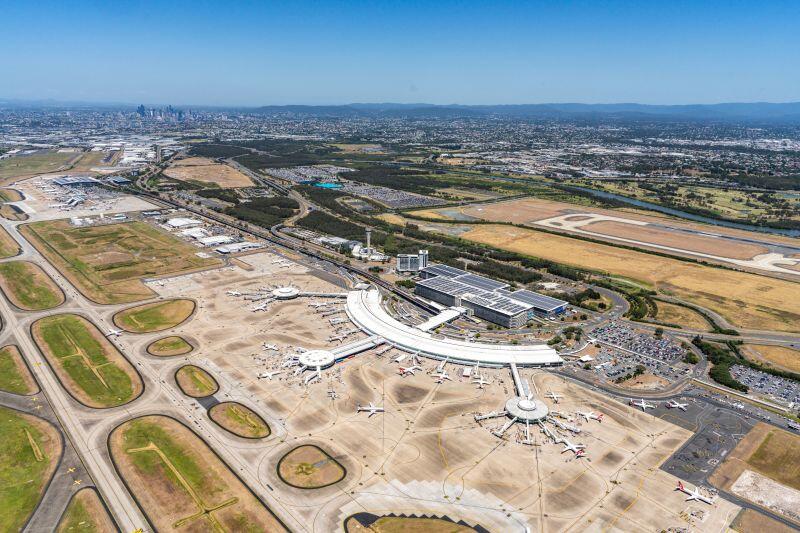
BNE is planning to invest A$5 billion ($5.8 billion) in infrastructure improvements, in part to get the airport ready for the 2032 Summer Olympics, which will be hosted by Brisbane. BNE’s master plan calls for the building of a third terminal and renovating the two existing terminals.
The approved master plan “will ensure Brisbane Airport remains a world-class gateway as we invest more than A$5 billion just in the next five years,” BNE CEO Gert-Jan de Graaff said.
BNE has previously said the new Terminal 3 (T3) will be “constructed and operational by the early 2030s.”
In the draft master plan, BNE said T3 will be located between the airport’s two parallel runways. The location “will result in optimal airfield access and reduce aircraft taxi times,” according to the master plan.
BNE has not settled on a specific size or initial capacity for the new terminal. BNE handled 25 million passengers in 2025, the airport’s busiest year ever. De Graaff said the master plan paves the way for the airport to have the “capacity to handle more than 50 million passengers in two decades.”
According to the master plan, “T3 will incrementally expand over the coming decades to meet growth passenger forecasts, with the size of T3 informed through terminal planning studies, airline community interests, precinct commercial opportunities and consideration of the customer experience.”
While Australian Transport Minister Catherine King formally approved the master plan, she also directed BNE to carefully consider noise implications for the surrounding community.
BNE is conducting an 18-month voluntary tailwind data trial with airlines to determine whether more over-water arrivals and departures are safely feasible, particularly at night, which could lessen noise for local residents as flight operations increase at the airport.
“We continue to work with Airservices Australia, who design and manage Australia’s airspace, as we aim for a balanced approach that delivers essential aviation while minimizing impacts on our community,” De Graaff said.

Related Content