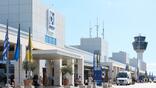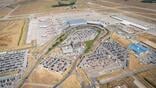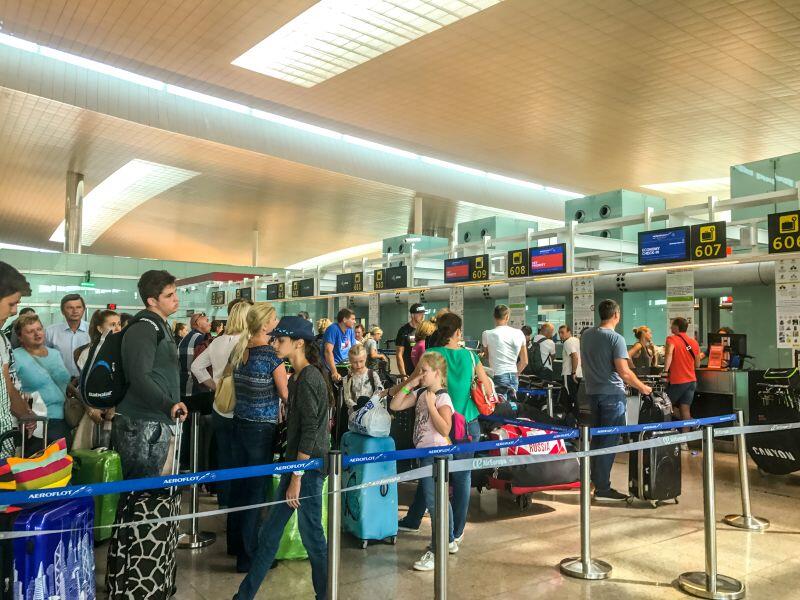
Barcelona El Prat Airport.
Spain’s airport operator AENA will begin managing passenger capacity by terminal at Madrid Barajas and Barcelona El Prat airports from the summer 2027 season, aiming to make better use of existing terminal space as traffic continues to grow.
The change means that capacity will be published by terminal and traffic type rather than only at the airport level based on runway capacity. AENA says the measure is designed to address terminal constraints during peak periods until a wider investment program planned under Spain’s 2027-31 Airport Regulation Document (DORA 3) comes into service.
“The objective of AENA is that the quality of the service to passengers is not affected and that there is no need to reduce the current capacity of the terminals, but rather to make the most of it throughout the day,” the company says.
Rather than reducing airport capacity, AENA intends to encourage growth during off-peak periods while better balancing demand across terminals and throughout the day. The company said the redistribution of terminal space “will only affect airlines that want to grow at both airports at certain times or months,” adding that “the historical rights of their slots will remain in force without any variation.”
The announcement comes as both airports continue to post strong traffic growth. According to AENA, Madrid handled 6 million passengers in May, up 4.8% year over year, while Barcelona welcomed 5.5 million passengers, a 6.4% increase. During the first five months of 2026, Spain’s AENA-operated airports handled 124.6 million passengers, up 3.7% compared with the same period a year earlier.
OAG Schedules Analyser data also points to continued capacity growth at both hubs. Madrid is scheduled to offer about 24.2 million departing seats during the summer 2026 season, up almost 7% from about 22.6 million a year earlier. Barcelona is expected to provide about 22 million departing seats, an increase of about 5.5% from 20.8 million seats in summer 2025.
The terminal-capacity initiative forms part of AENA’s broader infrastructure strategy under DORA 3, which includes almost €10 billion ($11.4 billion) in regulated investment across Spain’s airport network between 2027 and 2031.
Approximately €4.5 billion of that spending is earmarked for Madrid, including expansions of Terminal 4 and Terminal 4 Satellite, a new passenger processing building, renovations to Terminals 1, 2 and 3, and improvements to road and public transport access.

Related Content