Phu Quoc Island, Vietnam.
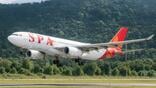
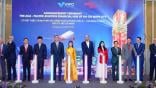
Vietnam’s Sun Group is preparing to enter the country’s growing aviation market with the launch of Sun PhuQuoc Airways, a leisure-focused carrier designed to bolster tourism to the island of Phu Quoc.
The airline, approved by Prime Minister Pham Minh Chinh on May 20, is targeting a late 2025 launch, with a fleet expected to grow to 31 aircraft by 2030. It plans to offer a hub-and-spoke network and will integrate closely with the group’s extensive resort and tourism infrastructure on Phu Quoc Island.
“With Phu Quoc's visa exemption policy for international visitors, the launch of direct international routes will serve as a major driver to attract global travelers to Pearl Island more easily than ever,” a statement from Sun Group says. “At the same time, domestic passengers will also benefit from a diversified flight network, enabling residents in provinces beyond Hanoi and Ho Chi Minh City.”
According to OAG Schedules Analyser data, Phu Quoc is served by 18 carriers during the summer 2025 season, with VietJet offering nearly 873,000 departure seats and controlling 46.6% of the island’s total outbound capacity. The airport is connected to 11 domestic destinations and 20 international points, including Seoul, Hong Kong and Kuala Lumpur.
However, unlike VietJet and other low-cost rivals, Sun PhuQuoc Airways is banking on a differentiated business model built around “experiential” travel. The airline is pitched as a “resort in the sky,” with aircraft interiors, onboard services and branding themed around Phu Quoc’s island lifestyle.
Sun Group already operates Sun Air, a private jet service for high-net-worth individuals, but the new airline is designed to serve the broader leisure market with packaged travel options that combine air, accommodation and entertainment.
The planned launch comes at a time of ongoing growth in Vietnam’s aviation sector. OAG data shows that total capacity from and within the country totals 43.8 million departure seats during the summer 2025 season, marking a year-on-year rise of 16%. VietJet leads with 38% of the market, followed by Vietnam Airlines at 34%, while Bamboo Airways—which scaled down its operations following a major restructuring in 2023—now holds just 3%.
As reported by Aviation Week, VietJet on May 26 ordered 20 more Airbus A330neo aircraft, doubling its commitment from the initial 20 aircraft purchased in 2024. The airline currently operates seven A330-300s.
Air transport supports 2.5 million jobs in Vietnam and contributes $17.5 billion to the economy when accounting for direct, indirect and tourism-related effects, International Air Transport Association estimates show—equivalent to nearly 6% of GDP.