This article is published in Aviation Daily part of Aviation Week Intelligence Network (AWIN), and is complimentary through Jan 19, 2026. For information on becoming an AWIN Member to access more content like this, click here.
Israel’s second-largest airline, Israir, is entering widebody operations and returning to the U.S. market.
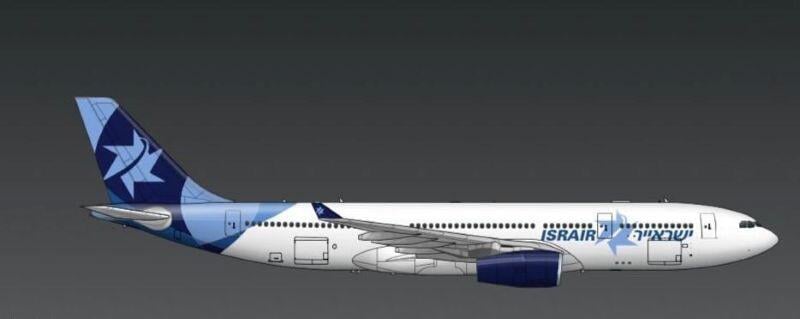
Israir Group CEO Uri Sirkis says that the carrier has taken delivery of two Airbus A330-200s. “We will most likely start in June to New York and Miami,” Sirkis confirmed to Aviation Week on Jan. 9. This is the first step of a plan that targets a fleet of six widebody aircraft.
Israir last served the U.S. market in 2009 before suspending operations due to “market conditions” at the time. In March 2025, the airline applied to the U.S. Transportation Department (DOT) to restart service.
When Israir operates to the U.S. again, it will join a busy air corridor. Four airlines serve the Tel Aviv–New York market. Arkia serves Tel Aviv (TLV)–New York JFK three times weekly; Delta serves TLV–JFK 14 times weekly; El Al serves TLV–JFK 16 times weekly and TLV–Newark (EWR) 12 times weekly; and United Airlines serves TLV–EWR 14 times weekly.
According to data from OAG, there are currently about 33,500 two-way weekly seats between Tel Aviv and the New York area, compared to 13,689 weekly seats one year ago, when only El Al was serving the market. Capacity was 28,500 three years ago, before the Hamas attacks, though the market also remained in pandemic recovery at the time.
In the 12 months to June 2025, O&D traffic between Tel Aviv and New York totaled 933,000 two-way passengers, Sabre data shows, with about 79% of passengers flying nonstop.
For Israir, 2025 has been a difficult year affected by war, uncertainty and operational challenges, including a $14 million impact from regional conflicts and events.
“These are not conditions that typically support growth,” said Sirkis.
However, Israir was able to add three narrowbody aircraft to its fleet in 2025. The carrier transported a total of 2.1 million international passengers, which makes Israir the second-largest carrier at Tel Aviv’s Ben Gurion Airport, behind El Al Israel Airlines. During peak operations in 2025, Israir operated 21 narrowbody aircraft, the CEO stated on LinkedIn.
According to data from CAPA, Israir currently operates a fleet of 10 Airbus A320s.
Israir also reported record third-quarter results in 2025, featuring a net profit of $36 million. This underlines the high load factors airlines have on routes to and from Israel. The carrier has invested $100 million to build long-term value, it says, including by expanding its heavy maintenance capabilities in Cyprus, investing in tourism assets across Europe, and growing its fleet.
Looking ahead, 2026 will bring the launch of widebody service with four cabin classes. Israir targets more than 200 weekly flights, 6,500 summer flights, and a total of 2.5 million passengers.