This article is published in Air Transport World part of Aviation Week Intelligence Network (AWIN), and is complimentary through Aug 24, 2026. For information on becoming an AWIN Member to access more content like this, click here.

Exclusive: Oman Air CEO Talks Financial, Structural Aspirations

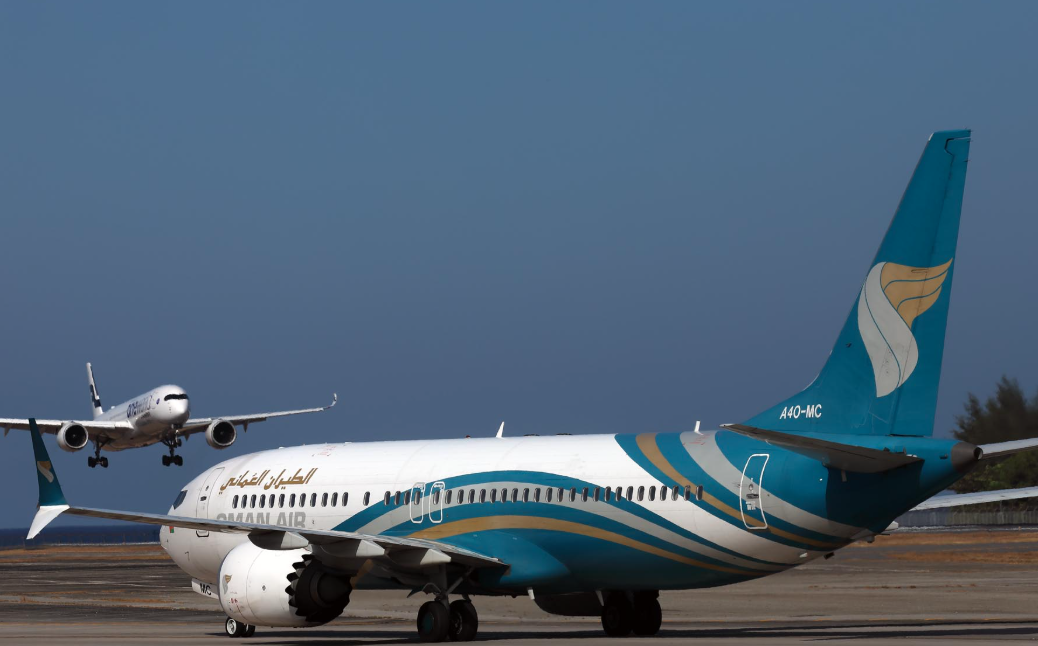
Oman Air Boeing 737 MAX-8.

Oman Air Boeing 737 MAX-8.

Credit: Rob Finlayson

FARNBOROUGH—Oman Air has not given up on hopes of turning out a profit this year, despite the disruption from of the war with Iran, its CEO says.

The perennially loss-making national carrier achieved an operating profit in 2025 for the first time in 18 years. While following that with a net profit this year, as originally hoped, now seems a stretch, it’s not beyond reach.

“By next year we would expect to be in net profit,” Con Korfiatis told ATW this week while he attended the Farnborough Airshow. “We had aspirations of achieving it earlier this year and still have some hopes of doing it this year. We’ve done quite OK—better than we expected. Most capacity has come back; all the GCC airports have reopened.”

Despite the region’s geopolitical problems, the Omani carrier has opened five new routes in the past few weeks and plans to launch more by the end of the year.

Meanwhile, the airline is changing routes to the Indian subcontinent. It has ended its service to Colombo, Sri Lanka, and plans to cut Lahore and Islamabad in Pakistan and Chittagong in Bangladesh but is increasing services to cities like Lucknow and Thiruvanantapuram in India.

“At the moment, the Indian subcontinent market is quite strong, so we’re putting some additional flights in there, across a number of routes,” Korfiatis said.

The airline is undergoing a transformation program to improve its financial health. Its cost base has improved over the past three years sufficient to make several Indian routes economically viable.

Oman Air “is already back in responsible growth mode,” Korfiatis said. Oman is not yet a mature market, with more infrastructure being built, and inbound tourism being stepped up. Meeting national targets for greater numbers of tourists will require a healthy aviation sector to support the nation’s policy pillar.

In diplomatic terms Oman has long been regarded as an honest broker by both Iran and the Gulf Arab nations. There are long historical and trading links between Oman and Iran and in the past, Oman Air had an ad hoc charter business to several Iranian cities.  With its 90 million population, Iran is a potentially large market and Korfiatis said that “under the right circumstances”, air links might be resumed.

More cooperation is expected between Oman Air and Omani LCC SalamAir. Both have the same shareholder, the Omani government, and while the two brands will remain separate, they are relatively small airlines in a small country, which makes cooperation essential.

“By playing together, that hopefully creates the best opportunities for both brands,” Korfiatis said.

Alan Dron

Based in London, Alan is Europe & Middle East correspondent at Air Transport World.