
Thermal Is The New Design Driver
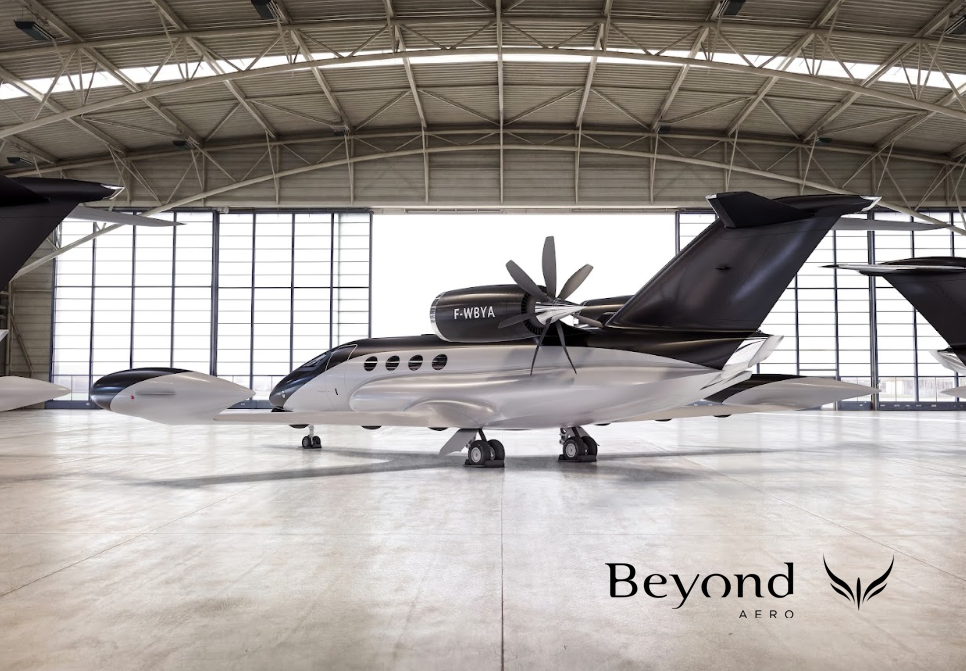
Thermal management is emerging as one of the key design drivers
How TAT is supporting Beyond Aero with thermal studies and putting thermal architecture at the center of next-generation aircraft development
For hydrogen-electric aircraft developer Beyond Aero, managing heat is an integral part of designing the aircraft itself. TAT Technologies brings decades of aerospace thermal engineering experience into a next-generation aircraft program where propulsion, power electronics, avionics and other systems create new and interconnected thermal demands. This collaboration is a real-world example of a broader shift taking place across next-generation aviation: as aircraft become increasingly electrified, thermal management is moving upstream in the development process, influencing decisions about weight, efficiency, reliability, range and overall aircraft performance. Thermal management is emerging as one of the key design drivers.
For TAT, the Beyond Aero program demonstrates how decades of experience designing, manufacturing and supporting aerospace thermal systems can be applied to an entirely new generation of flight. It also provides an opportunity to apply technologies such as TAT’s Universal Cooling System (UCS), a modular and scalable thermal architecture developed to give aircraft manufacturers a more integrated approach to managing multiple thermal demands across the aircraft.
Beyond Aero: Thermal From the Start
Hydrogen-electric propulsion introduces thermal requirements that cannot be considered in isolation. Fuel cells, electric motors, power electronics, and other systems each have different thermal demands, and those demands can change throughout the aircraft’s mission profile. Treating each heat-generating system independently can add components, weight and complexity at a time when next-generation aircraft developers are working aggressively to optimize all three.
TAT’s work with Beyond Aero reflects an integrated approach to addressing the thermal challenges associated with hydrogen-electric propulsion. Bringing TAT’s thermal engineering expertise into the development process early allows thermal considerations to be addressed alongside propulsion, power, weight and other key architectural parameters as the aircraft design evolves.
One Architecture. Multiple Thermal Demands.
That system-level approach is also behind TAT’s Universal Cooling System. What makes UCS universal is its ability to bring multiple thermal requirements into a flexible architecture rather than developing an entirely separate cooling solution around every application. The system incorporates independent air and liquid cooling loops that can support applications including battery thermal management, power electronics, avionics, electric motors and other systems. The architecture can then be configured around the requirements of a specific aircraft and scaled as those requirements evolve.
That flexibility is particularly relevant for next-generation programs, where power requirements, configurations and technologies can change significantly as an aircraft moves through development. A modular thermal architecture can give developers greater flexibility to accommodate that evolution without continually rethinking the entire cooling strategy. The objective is not simply to remove heat; it is to manage thermal energy across the aircraft while balancing performance, weight, reliability, maintainability and integration.

Decades of Thermal Experience, Applied to What’s Next
While the aircraft and propulsion technologies may be new, the thermal expertise behind TAT’s approach has been built over decades. TAT Technologies designs, manufactures, repairs and supports aerospace thermal components and systems, with capabilities spanning heat exchangers, cooling systems, cold plates, valves, pumps and other thermal technologies used across commercial and defense aerospace applications. That experience provides an understanding not only of how a thermal system must perform during aircraft development, but also of what will ultimately be required to manufacture, maintain and support that system throughout its operational life.
Today, that foundation is being extended through FutureWorks, TAT’s aerospace innovation center in Charlotte, North Carolina, where engineers are developing and testing advanced thermal technologies for electric, hybrid-electric, hydrogen and other emerging aircraft architectures. The connection between established aerospace capabilities and next-generation development is an important part of TAT’s approach. New thermal concepts ultimately have to become real aerospace systems that can be engineered, manufactured, tested, integrated and supported in demanding operating environments.
The Beyond Aero collaboration represents that evolution in action. It brings TAT’s established thermal engineering experience into the aircraft development process earlier, supporting Beyond Aero in addressing the increasingly complex thermal challenges associated with hydrogen-electric propulsion..
As electrification continues to reshape aviation, thermal management will influence decisions far beyond the cooling system itself. It will affect architecture, performance, integration and ultimately the ability of emerging aircraft technologies to deliver on their promise. The companies that solve thermal architecture early may have a significant advantage in solving the aircraft as a whole.