https://aviationweek.com/themes/custom/particle/dist/app-drupal/assets/awn-logo.svg
Skip to main content
  • Market Sector
    • Aerospace
    • Air Transport
    • MRO
    • Defense
    • Space
    • Business Aviation
  • Markets
    • Aerospace
      • Aircraft & Propulsion
      • Connected Aerospace
      • Emerging Technologies
      • Manufacturing & Supply Chain
      • Advanced Air Mobility
      • Sustainability
    • Air Transport
      • Aircraft & Propulsion
      • Interiors & Connectivity
      • Airports & Networks
      • Airlines & Lessors
      • Safety, Ops & Regulation
      • Maintenance & Training
      • Sustainability
    • MRO
      • Aircraft & Propulsion
      • Interiors & Connectivity
      • Emerging Technologies
      • Supply Chain
      • Safety, Ops & Regulation
      • Workforce & Training
      • Sustainability
    • Defense
      • Aircraft & Propulsion
      • Sensors & Electronic Warfare
      • Missile Defense & Weapons
      • Supply Chain
      • Budget, Policy & Operations
      • Sustainability
    • Space
      • Launch Vehicles & Propulsion
      • Commercial Space
      • Space Exploration
      • Satellites
      • Budget, Policy & Regulation
      • Operations & Safety
    • Business Aviation
      • Aircraft & Propulsion
      • Interiors & Connectivity
      • Airports, FBOs & Suppliers
      • Flight Deck
      • Safety, Ops & Regulation
      • Maintenance & Training
      • Sustainability
    • In Focus
      • Middle East & Africa
  • Marketplace
  • Services
    • Services
      • Advertising
      • Marketing Services
      • Fleet, Data & APIs
      • Research & Consulting
      • Network and Route Planning
      • Marketplace
  • Store
    • Market Sector

      • Aerospace
      • Air Transport
      • MRO
      • Defense
      • Space
      • Business Aviation
    • Type View All Products
      • Intelligence Bundles
        • AWIN - Premium
        • AWIN - Aerospace and Defense
        • AWIN - Business Aviation
        • AWIN - Commercial Aviation
      • Market Briefings
        • Advanced Air Mobility Report
        • Aerospace Daily & Defense Report
        • Aviation Daily
        • SpeedNews
        • The Weekly of Business Aviation
      • Directories
        • Air Charter Guide
        • Aviation Week Marketplace
        • Route Exchange
        • The Engine Yearbook
      • Data Services
        • AC-U-KWIK
        • Aircraft Bluebook
        • Airportdata.com
        • ASM Global Route Development
        • CAPA – Centre for Aviation
        • Catchment Analyzer
        • Defense Market Analyzer
        • Fleet Discovery Civil
        • Fleet Discovery Military
        • Fleet & MRO Forecast
        • MRO Prospector
        • Tracked Aircraft Utilization
      • Publications
        • African Aerospace
        • Air Transport World
        • Arabian Aerospace
        • Aviation Week & Space Technology
        • Aviation Week & Space Technology - Inside MRO
        • Business & Commercial Aviation
        • CAPA - Airline Leader
        • Routes magazine
        • Show Business
  • Events
    • Recent webinars
    • Events View All Events
      • MRO
        • MRO Americas
        • MRO Asia
        • MRO Australasia
        • MRO Baltics & Eastern Europe Region
        • MRO Europe
        • MRO Greater China
        • MRO Latin America
        • MRO Middle East
        • MRO Southeast Asia
        • Military Aviation Logistics and Maintenance Symposium (MALMS)
      • Commercial Aviation/A&D
        • Aero-Engines Americas
        • Aero-Engines Europe
        • Aero-Engines Asia-Pacific
        • Engine Leasing Trading & Finance Europe
        • Engine Leasing, Trading & Finance Americas
      • Air Transport
        • Routes Americas
        • Routes Europe
        • Routes World
        • CAPA Airline Leader Summit - Airlines in Transition
        • CAPA Airline Leader Summit - Americas
        • CAPA Airline Leader Summit - Latin America & Caribbean
        • CAPA Airline Leader Summit - Australia Pacific
        • CAPA Airline Leader Summit - Asia & Sustainability Awards
        • CAPA Airline Leader Summit - World & Awards for Excellence
        • GAD Americas
        • GAD World
      • Aerospace and Defense
        • Defense Conference
      • Awards
        • Aviation Week 20 Twenties
        • Aviation Week Laureate Awards
        • ATW Airline Awards
        • Program Excellence Awards and Banquet
        • CAPA Asia Aviation Summit & Awards for Excellence
        • Space Tech Challenge Awards
  • About
    • About Aviation Week Network
      • Our Story
      • Content and Data Team
      • Aviation Week & Space Technology 100-Year
    • Contact Us
      • Subscriber Services
      • Advertising, Marketing Services & List Rentals
      • Content Sales
      • Events
      • PR & Communications
      • Content Licensing and Reprints
      • FAQ
  • Log In
  • Register
  • My Account
    • Profile
    • Sign Out
  • AWIN Access
  • My cart
    Back to
  1. MRO

Share

The Low-Down On FOD

January 11, 2017

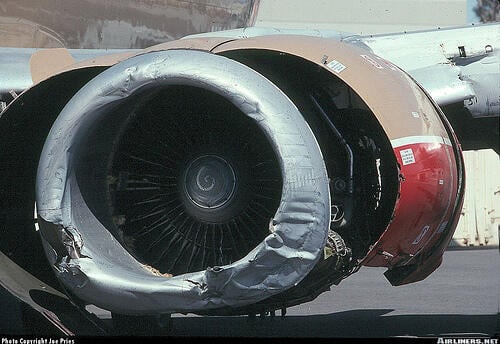
Foreign object debris (FOD) comprises objects, particles or substances unintentionally left in airport areas. Debris can include anything from tools and loose hardware to pens, badges, baggage tags and beverage containers.

Pictured here is debris collected from a FOD walk—crew removing debris from the tarmac before takeoff—at Kadena Air Base in Japan.

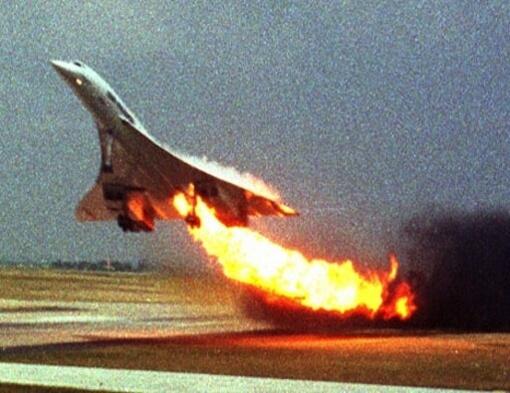
One of the worst FOD-related accidents happened in 2000, when a small piece of metal on the runway at Paris Charles de Gaulle Airport ruptured the fuel tank of the Aerospatiale-BAC Concorde operating as Air France Flight 4590, causing a fatal crash.

According to fodprevention.com, FOD can cost the aerospace industry up to $12 billion per year. The direct cost for damaged parts adds up to $4 billion. Indirect costs include flight delays, fuel expenses and damages awarded to injured or deceased workers, pilots and passengers.

The FAA created a FOD reporting system, enabling single/multiple and bulk collection FOD incidents to be reported online at anytime. The tool is intended to raise awareness about FOD events and potentially isolate problem areas in U.S. airports.

The FAA also provides published papers, technical notes and additional programs to address FOD. 

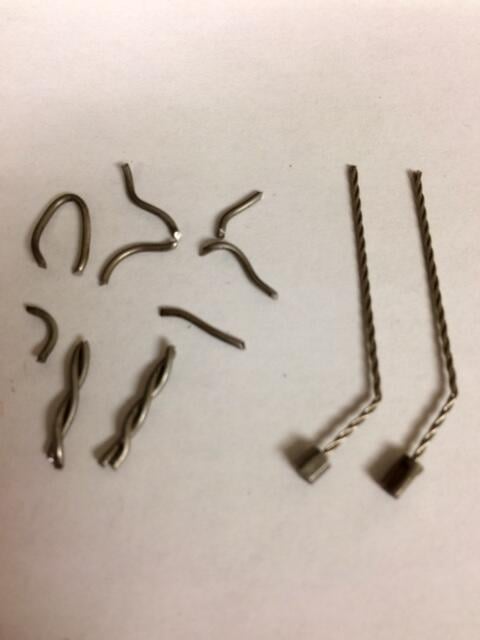
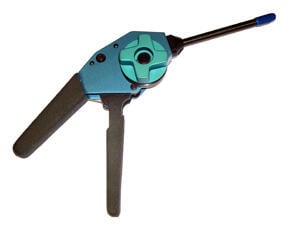
Here are a few tools intended to decrease FOD. One is safety cable, developed by Bergen Cable Technology as an alternative to traditional lockwire. Essentially, operators install the cable through fasteners, insert a loose ferrule on the cable and string the cable through a specific Bergen tool, which crimps the ferrule and cuts the cable in one motion.

Ultimately, two pieces of scrap are created instead of multiple pieces. This reduces the potential of debris and therefore the possibility of damage.

Companies that have OEM and MRO provider approvals for the system include Air Canada, Air France, Lockheed Martin, GE Aircraft Engines, Pratt & Whitney and American Airlines. 


To reach into small or tight spaces, the Terminator Tool is a smaller alternative to use with Bergen's safety cable system. Cable diameters range from 0.02 to 0.032 in. and 3-7-in. nose lengths.

Joe Ciancimino, outside sales and marketing manager for Bergen Cable Technology, says this type of cable technology hasn't completely replaced traditional lockwire systems primarily because some mechanics have an emotional attachment to the original way of completing a task. However, he says: "Once those mechanics get their hands on it, use the tool and see how the system works, most of them tend to like it."

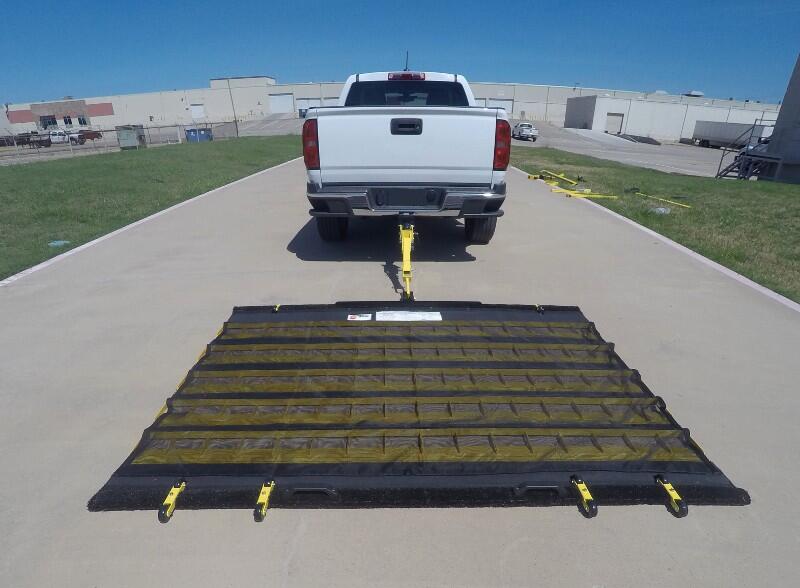
The F.O.D. Control Corp.'s FOD-Razor measures 8 ft. for a single assembly, 16 ft. for duplex assembly and 23 ft. for triplex assembly. The system also meets the equipment specifications for friction mat airport runway sweepers by FAA Advisory Circular 150/5210-24.

When towed along the tarmac or any surface, bristles latch onto debris, which is then forced back into plastic scoops. It captures up to 98% of unwanted debris in one pass and is most efficient at picking up sand, safety wire, hand tools and pavement chunks.

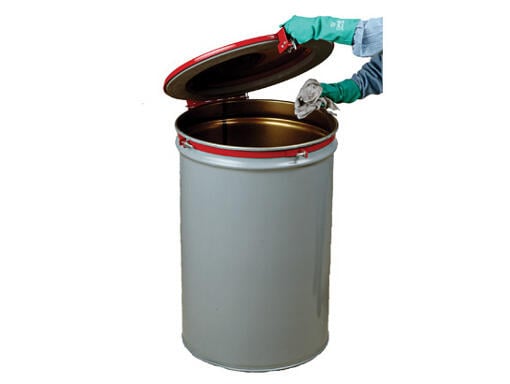
This kit from The F.O.D. Control Corp. converts an existing 55-gal. drum to a gasketed and vented self-closing mechanism and complies with National Emissions Standards for Aerospace Manufacturing.

Fitting over the top of the drum, the kit prevents oxygen from entering and traps vapors already inside.

Previous
Next

We take a look at the types of foreign object debris (FOD) as well as the cost and methods of addressing it at airports or in the hangar.

Follow us on

Markets

  • Aerospace
  • Air Transport
  • MRO
  • Defense
  • Space
  • Business Aviation

Products

  • AWIN Intelligence Bundles
  • Market Briefings
  • Publications
  • Data Services
  • Directories
  • Resources

Contact Us

  • Subscriber Services
  • Advertising, Marketing Services & List Rentals
  • Content Sales
  • Events
  • PR & Communications
  • Content Licensing and Reprints
  • FAQ

Other Resources

  • Aviation Week Marketplace
  • Knowledge Center
  • Newsletters
  • ShowNews
  • Advertising - Media Kits
  • Japanese 日本語
  • Korean 한국인
Copyright © 2026. All rights reserved. Informa Markets, a trading division of Informa PLC.
  • Accessibility
  • Privacy Policy
  • Cookie Policy
  • Terms of Use